We spent two days and three nights at Honeyguide Khoka Moya camp. The camp is situated in the Manyeleti Game Reserve, which borders Kruger National Park. Unlike many safari locations that are private reserves, there are no fences and the animals can roam freely. The camp is named Honeyguide after a bird that is known to lead people to beehives to find honey.
Here is a brief history of the area paraphrased slightly from the Honeyguide website: The nature reserve where Khoka Moya is located was carved out of Kruger National Park in 1967 because of apartheid policies and was isolated from the rest of the national park. Manyeleti became a Kruger for the native African population, until 1994, when the fences were removed, and the area was open to the free movement of wildlife. The area has never been as developed as the rest of the magnificent nature areas, and there are still no wide, paved roads, light poles, or private vehicles. There are no cross-country roads or tracks between Kruger and Manyeleti. Only the wildlife can move freely. Today the land has been restored to the Tsonga people, and the area is managed in collaboration with the lodges.
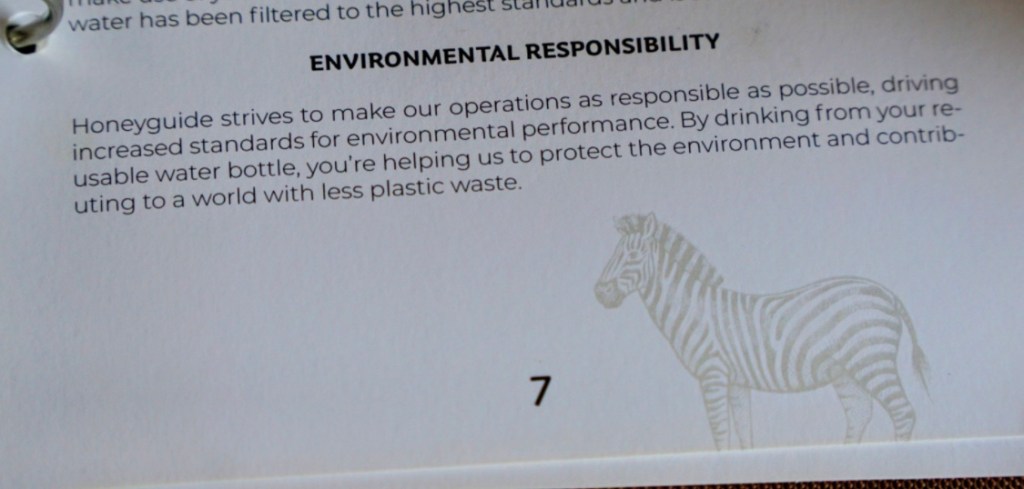
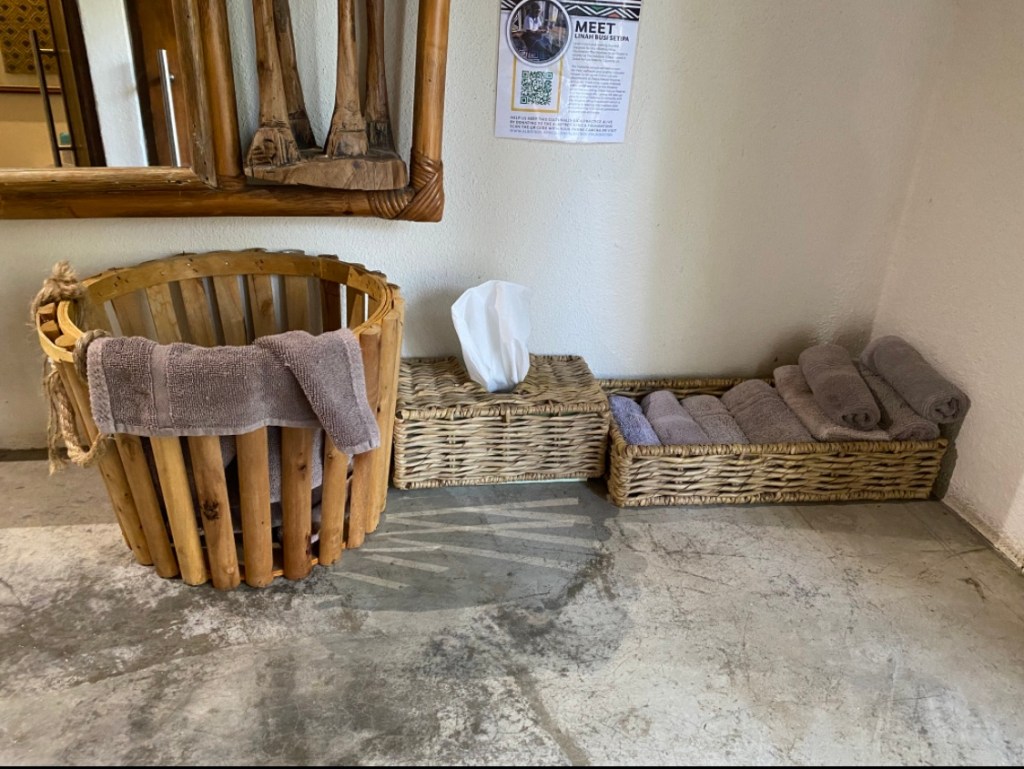
The camp is taking steps to reduce waste

Instead of paper towels, they have reusable washcloths
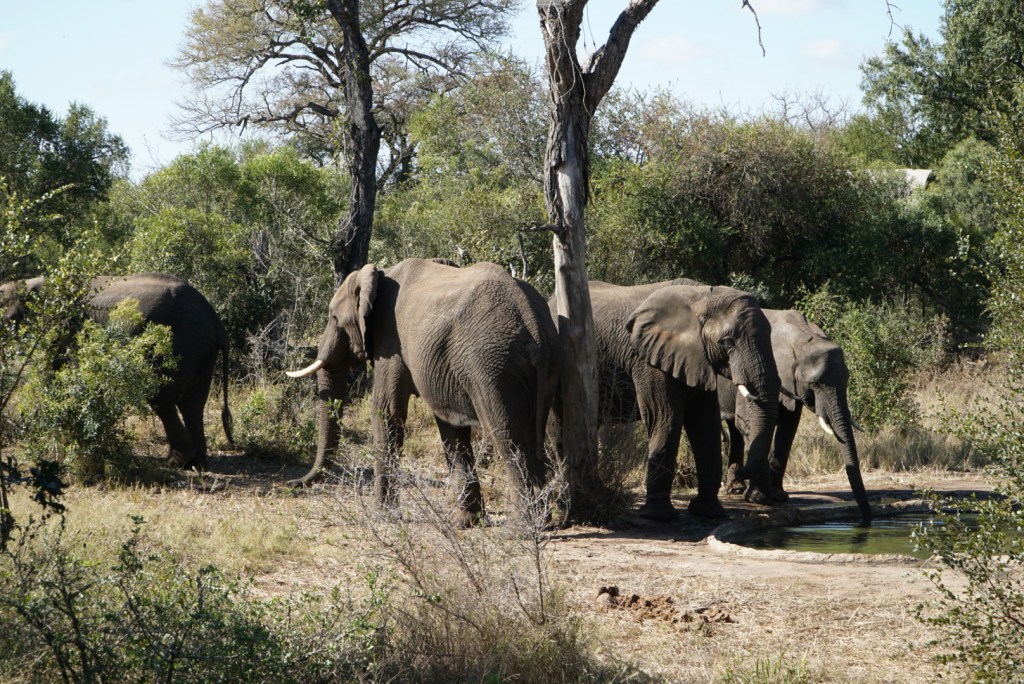
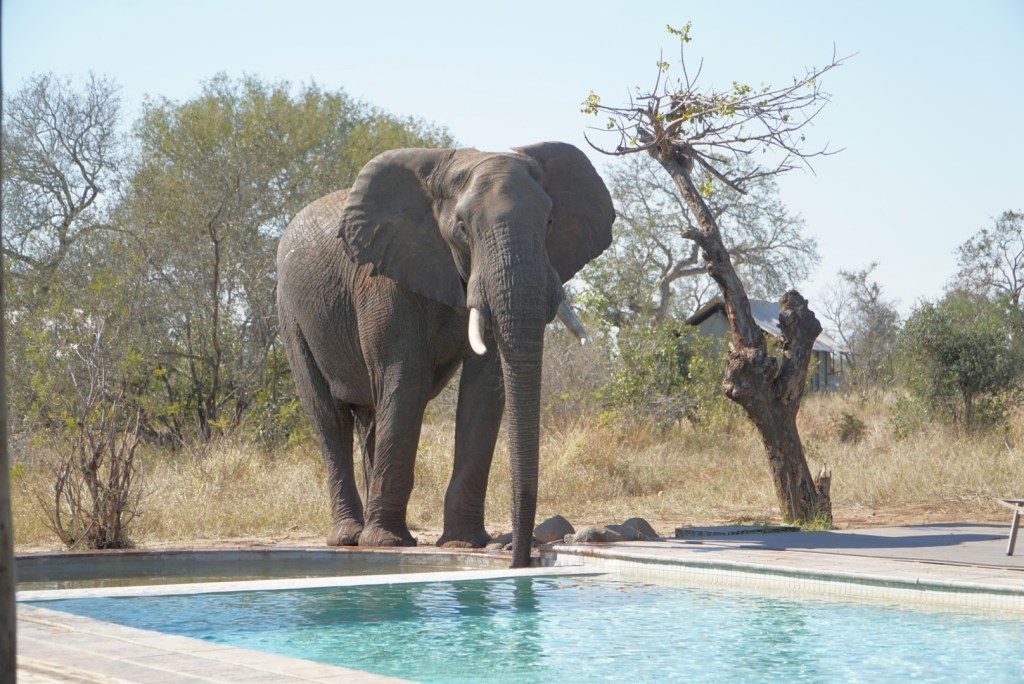
The lodge is situated within Game Reserve, and the animals come and go as they please. When we first arrived, there were elephants drinking from the watering hole near the restuarant.
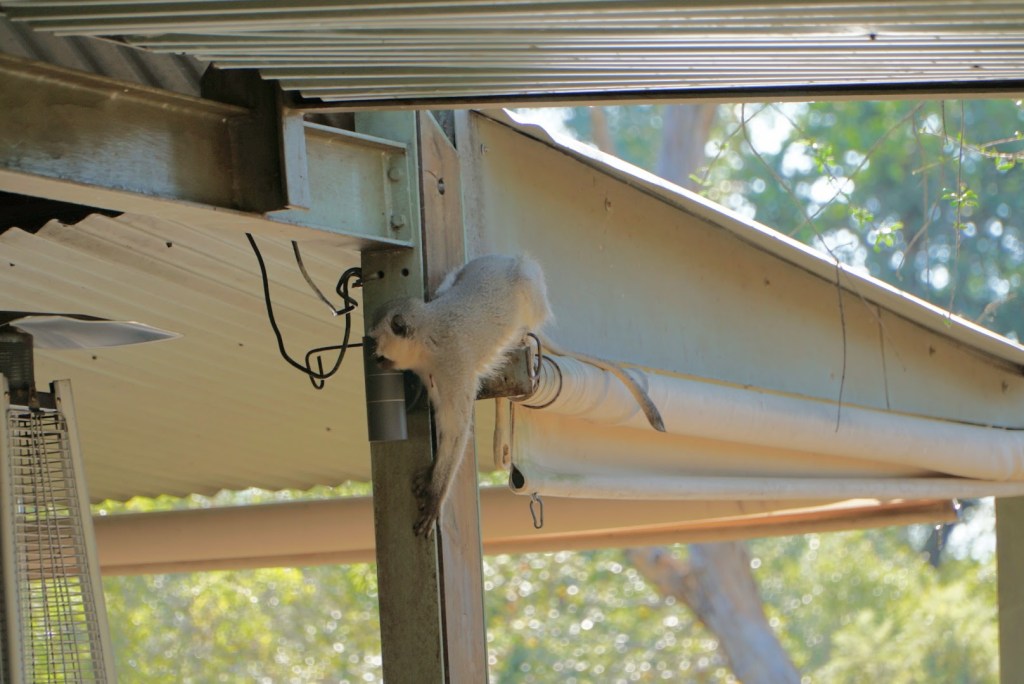
We had to keep a very close eye on our food while eating, otherwise monkeys would snatch it! They took my mother-in-law’s banana one time while her back was turned.
Checking out the lay of the land
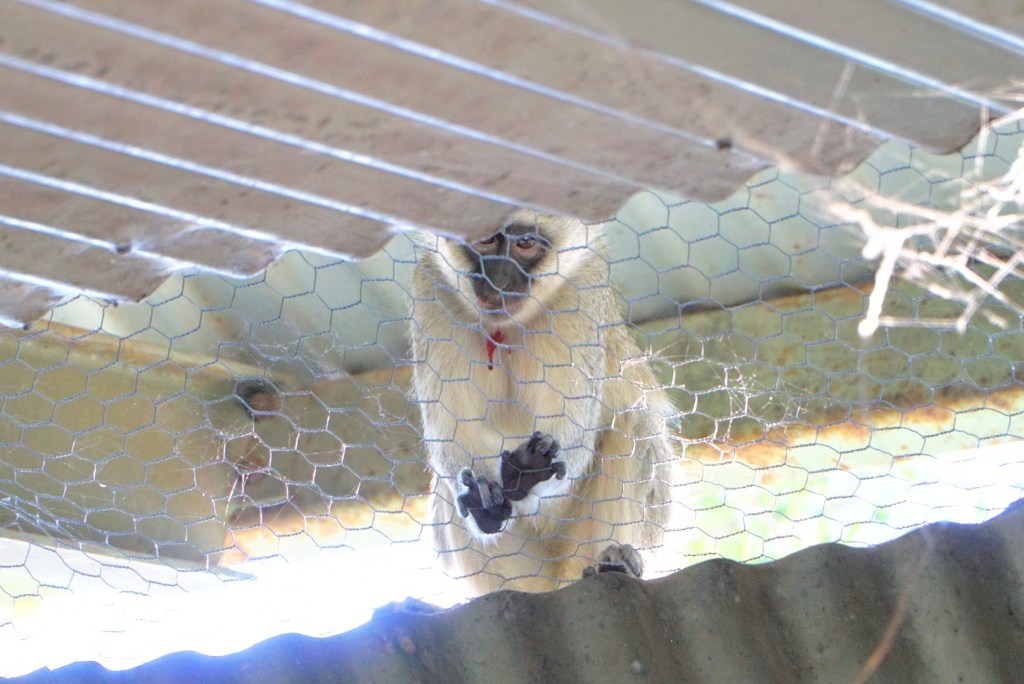
Ready to swoop down and grab some food
The elephants also used the pool as a watering hole. Whenever, they did, we had to get out of the pool and give them lots of space to stay safe.
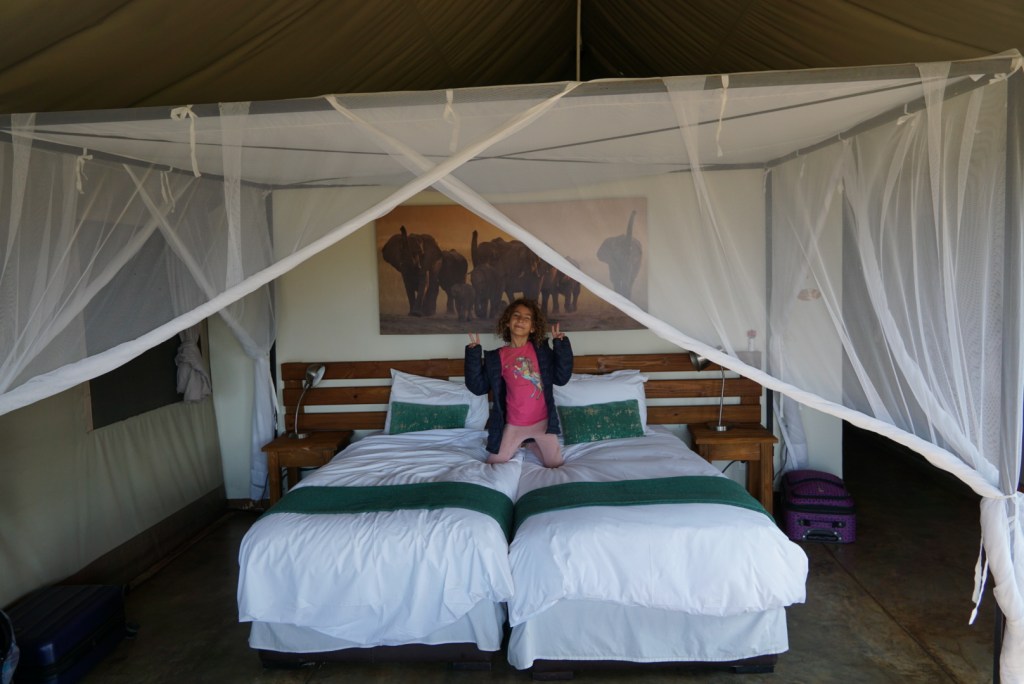
Every night, our guide walked us to our tents to keep us safe and we could hear lions roaring at night!
Our guide, Vestment, was extremely knowledgeable about all the animals in the area. He has been a guide for 17 years and graduated from Southern African Wildlife College, which trains people to work as nature guides, field rangers, who protect the parks from poachers, as well as other conservation careers.
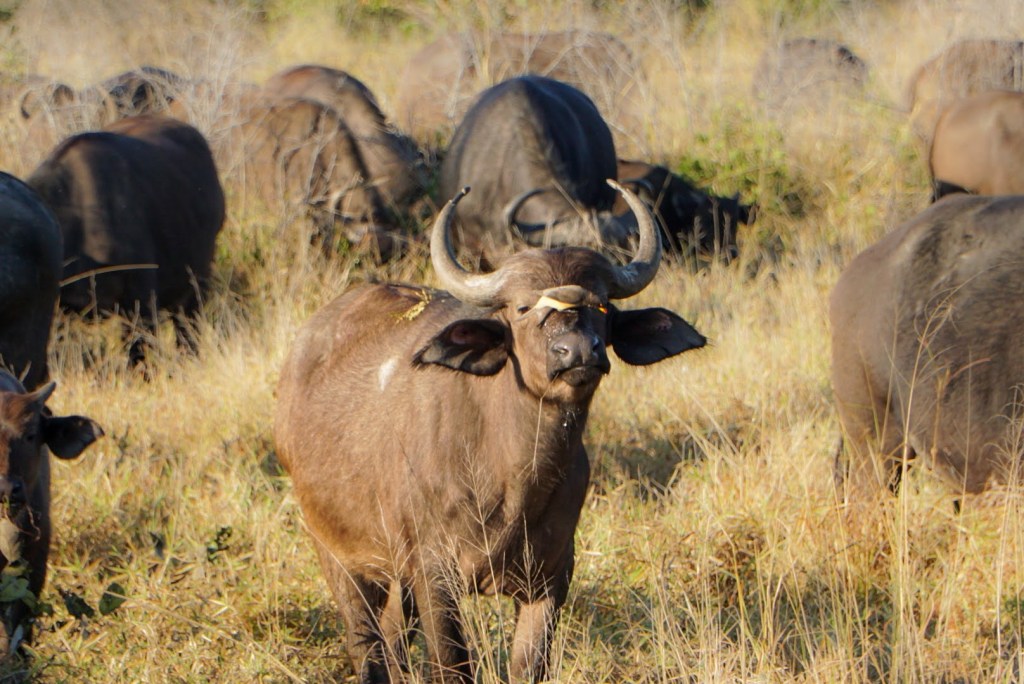
We were able to get very close to the animals in the vehicle, and Vestment explained that they see us as one large animal that is neither a threat nor prey. If we stood up in the vehicle, the animals might see us as individual animals and charge the vehicle. The “Big Five” are the main animals one expects to see on safari, which include the lion, leopard, rhino, elephant and African buffalo. The term “Big Five” originally referred to the difficulty in hunting these animals. Four of the Big Five can be hunted in South Africa – the Department of Environmental Affairs (DEA) banned leopard hunting in 2016. This is a controversial practice, as some argue that the price people pay to hunt these animals helps to pay for wildlife conservation, whereas others think the practice should be banned completely (https://www.goeco.org/article/understand-the-big-five-in-south-africa)
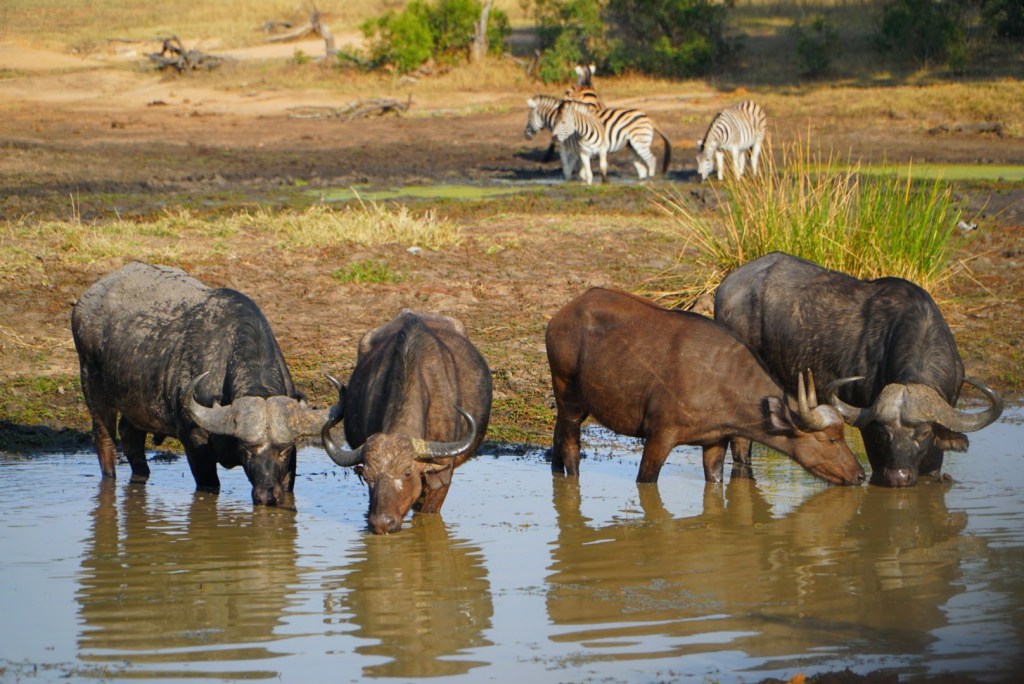
“African lions, leopards, and elephants are all classed as Vulnerable by the International Union for the Conservation of Nature. The black rhinoceros is Critically Endangered and the Southern white rhino is Near Threatened, while the Northern white rhino is on the verge of extinction. The Cape buffalo is of the least concern in terms of conservation, but this also makes it the most popular animal to hunt. Hunting, poaching, and habitat loss combined mean the Cape buffalo’s population is also on the decline.” (https://www.goeco.org/article/understand-the-big-five-in-south-africa)
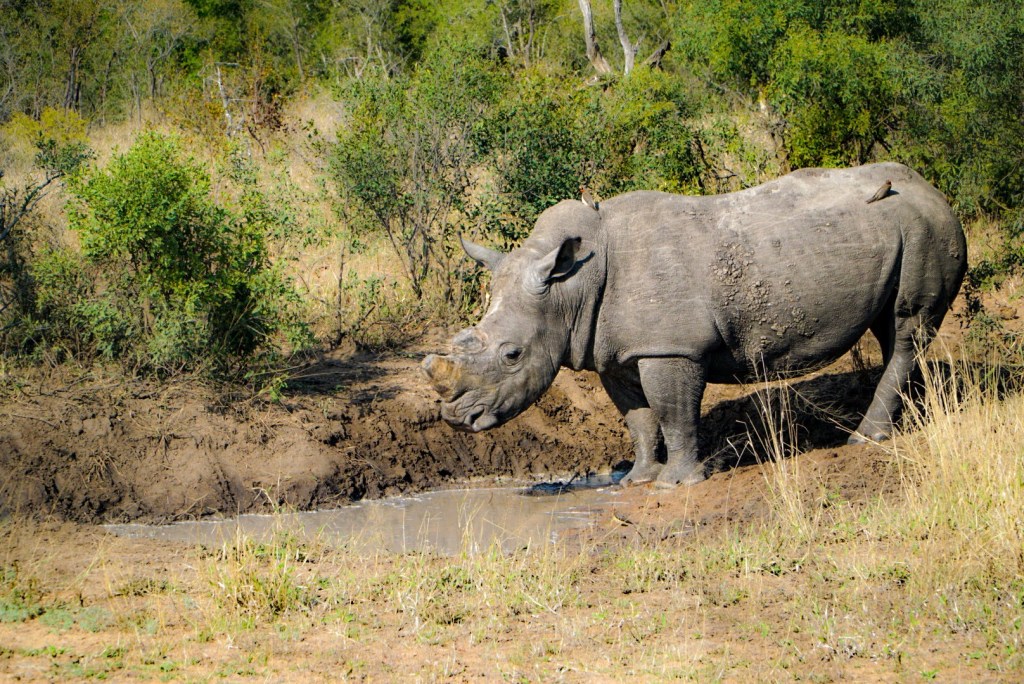
Due to the popularity of poaching rhino horns, all the rhinos in the park are dehorned. There are other anti-poaching measures in place as well, such as drone surveillance, ranger patrols, and vehicle monitoring and searches.
We saw two white rhinos on separate game drives. Vestment informed us that they term white rhino is actually a misnomer because English settlers misheard the Afrikaans term “wyd” meaning “wide” as “white” because the white rhino has a wider mouth than the black rhino.
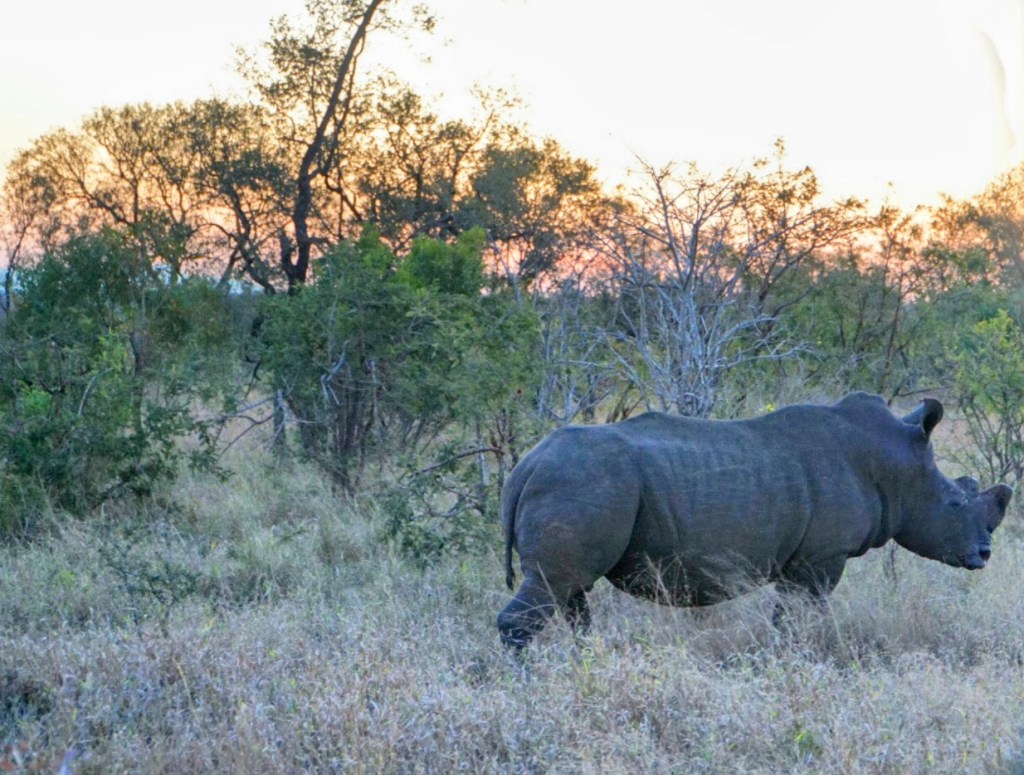
This rhino has two oxpeckers on it. They have a symbiotic relationship with many different animals, where they eat ticks and other insects that live on the animals.
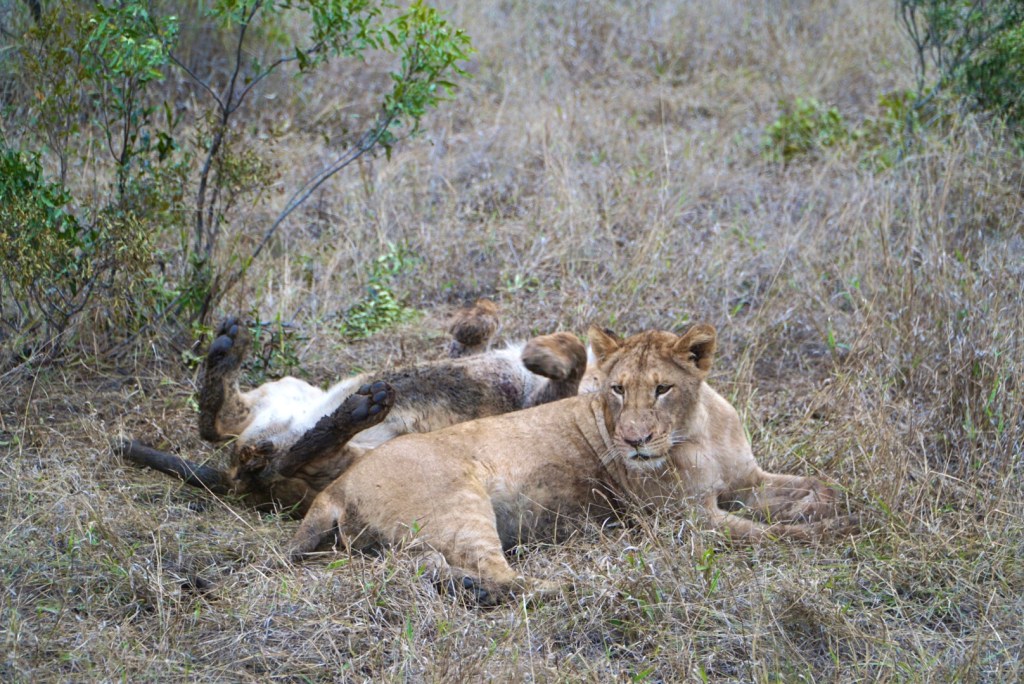
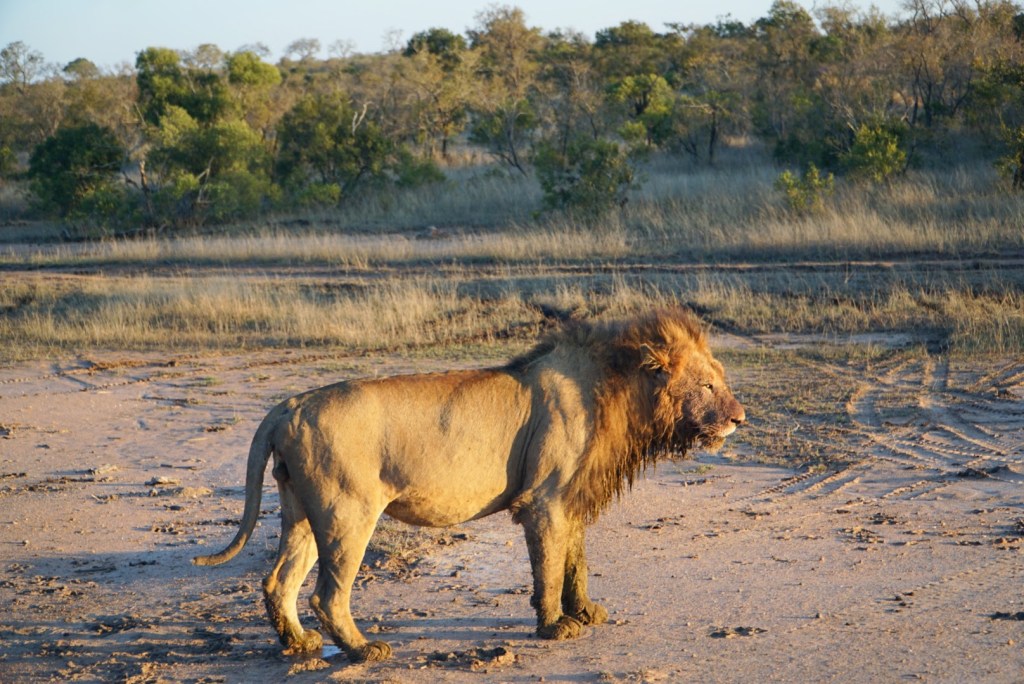
We saw pride of lions eating a giraffe over the course of several days. I will spare you the pictures of that and just show you pictures of the lions.
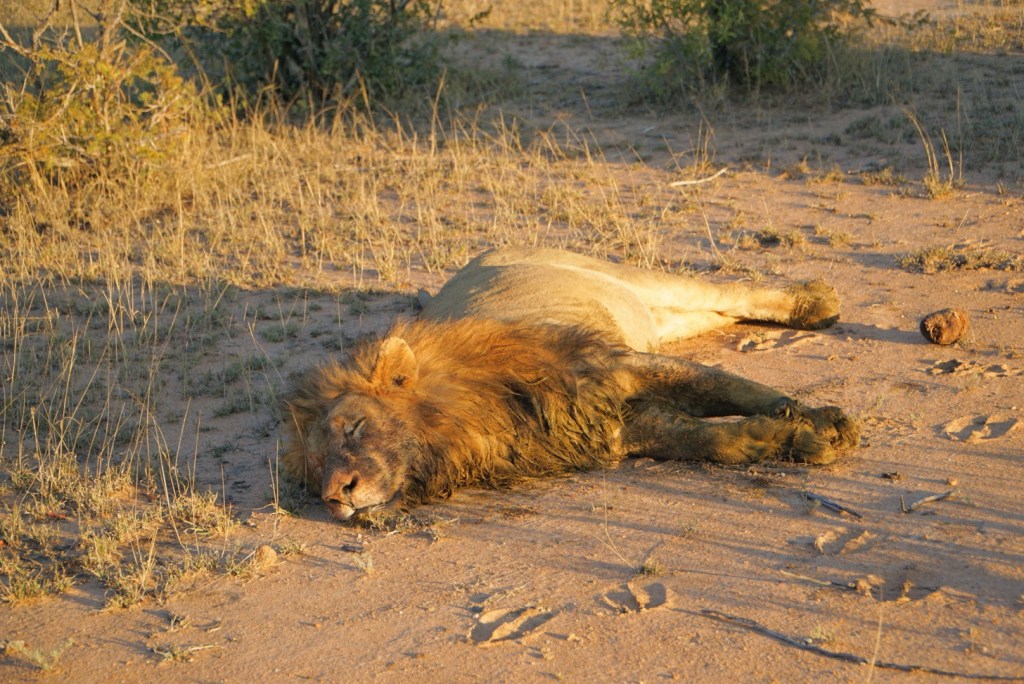
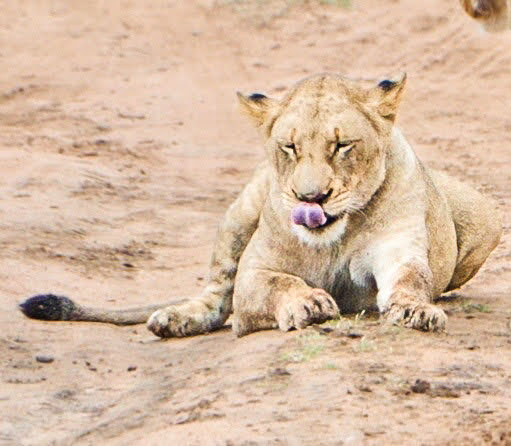
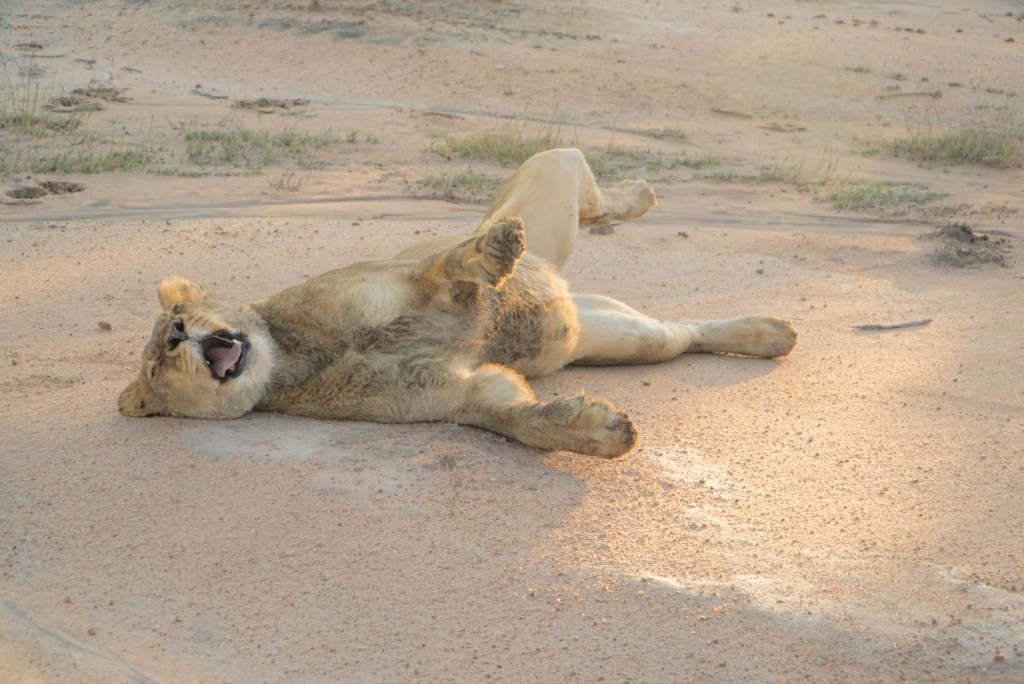
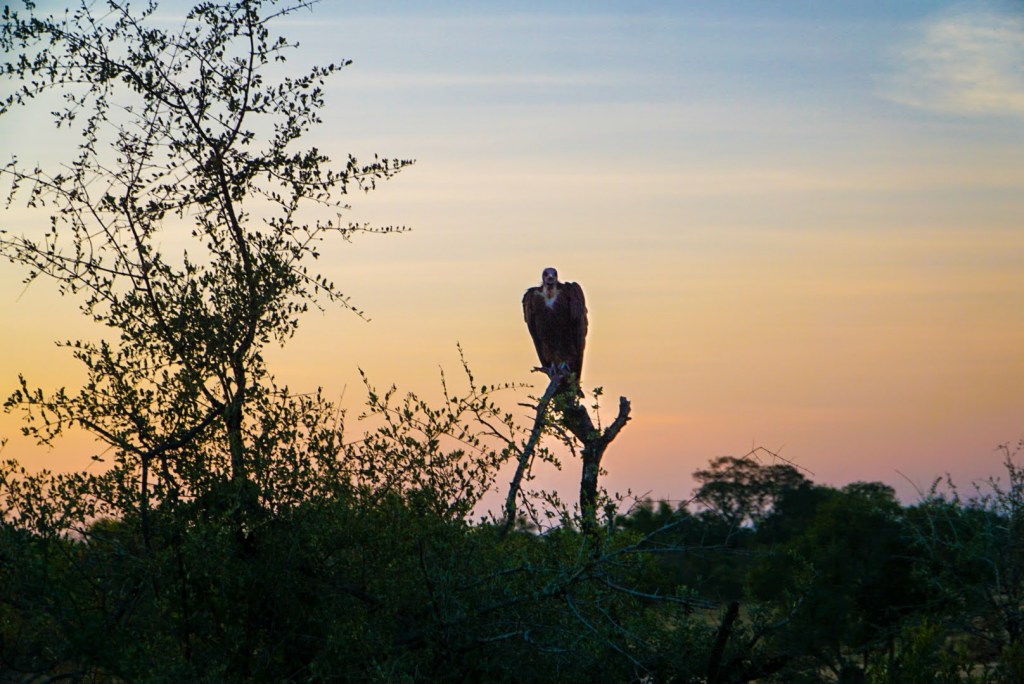
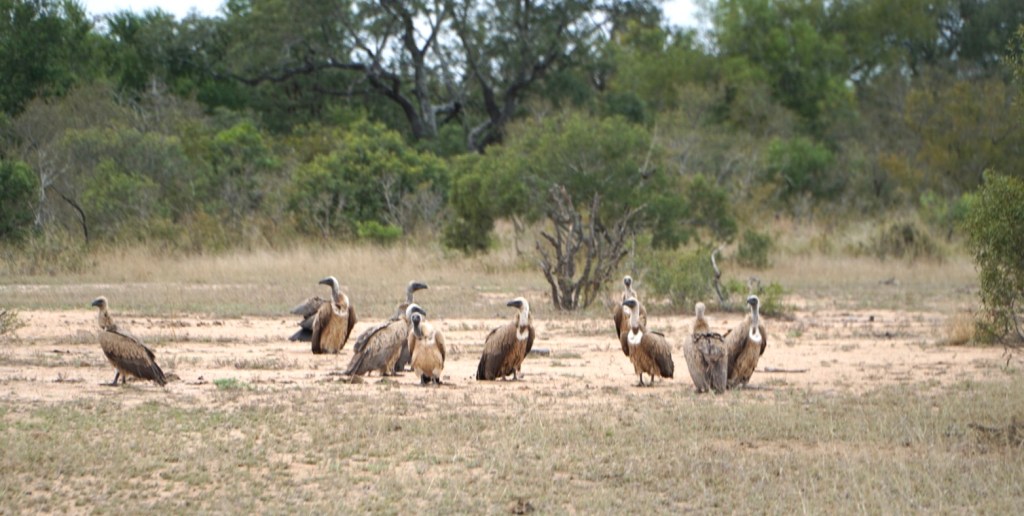
The vultures were waiting for their turn to eat, but the lions kept chasing them away.
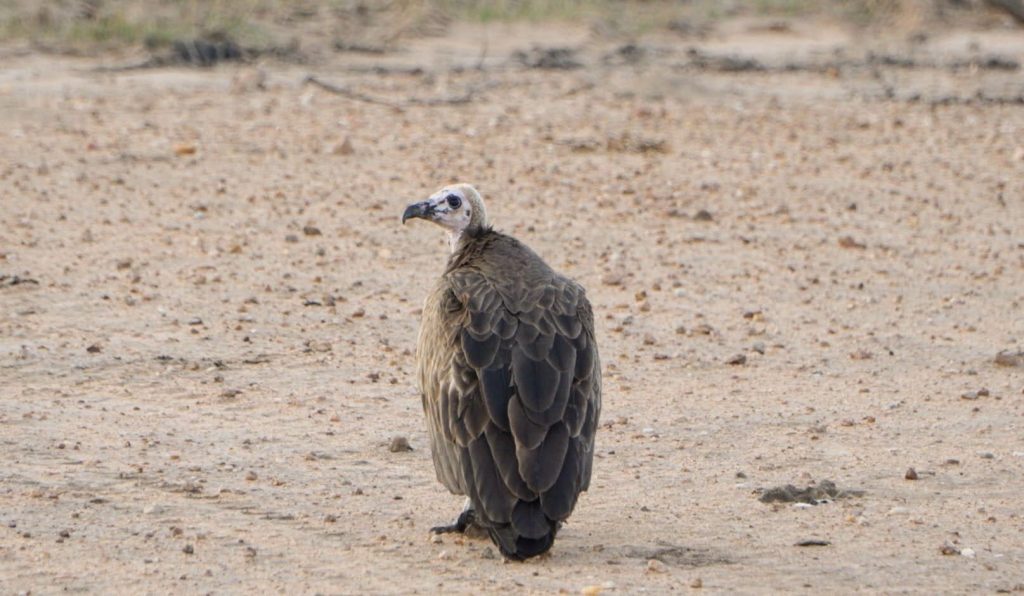
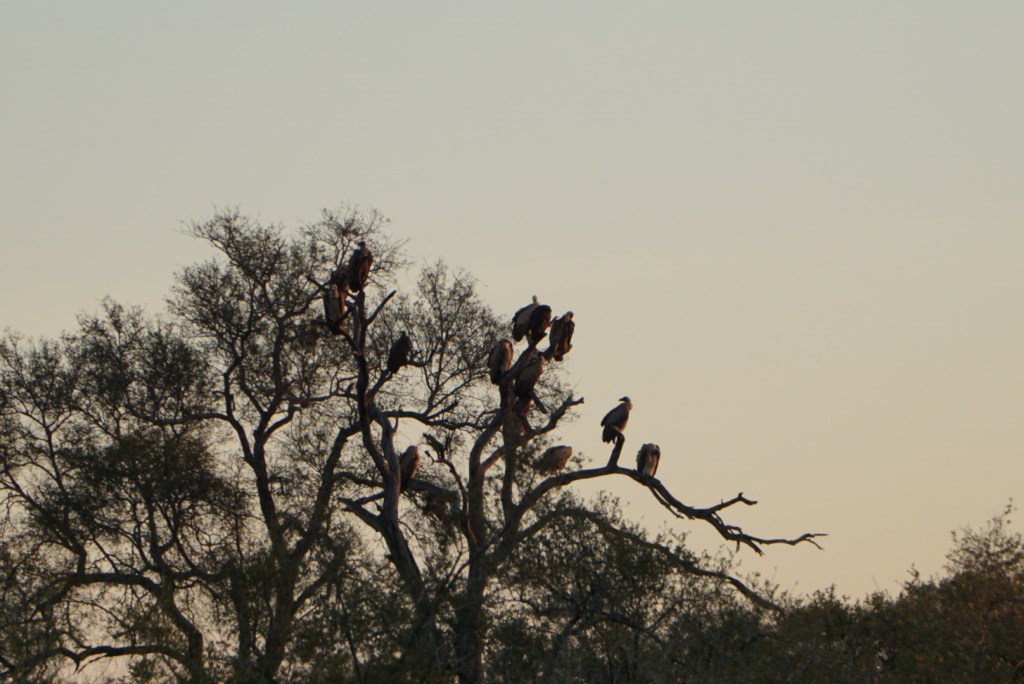
After the vultures come, the hyenas come for the bones.
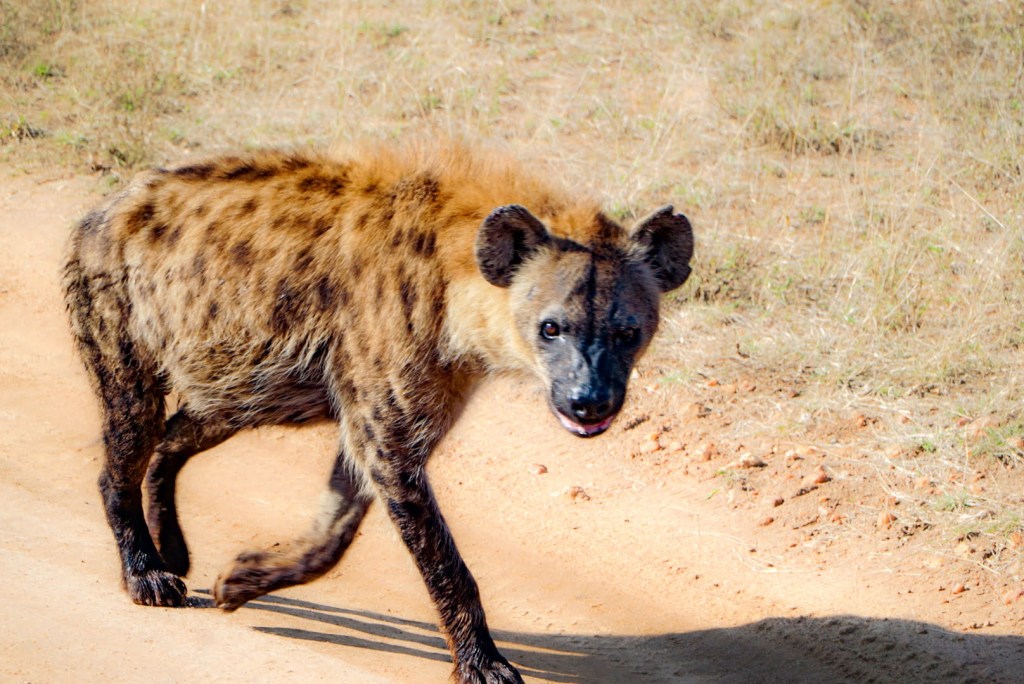
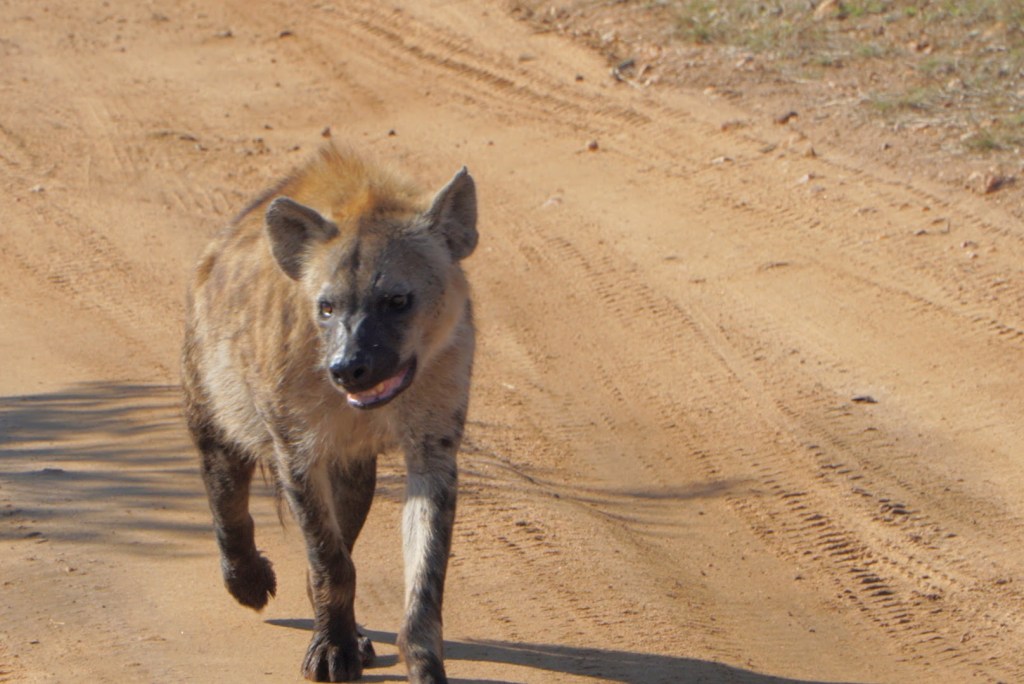
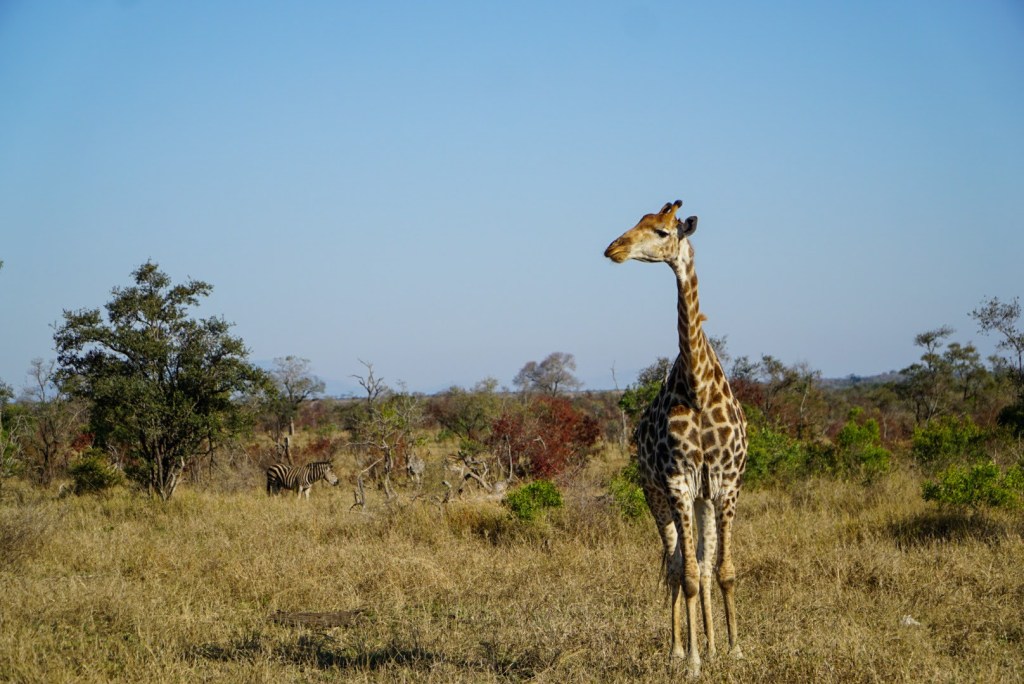
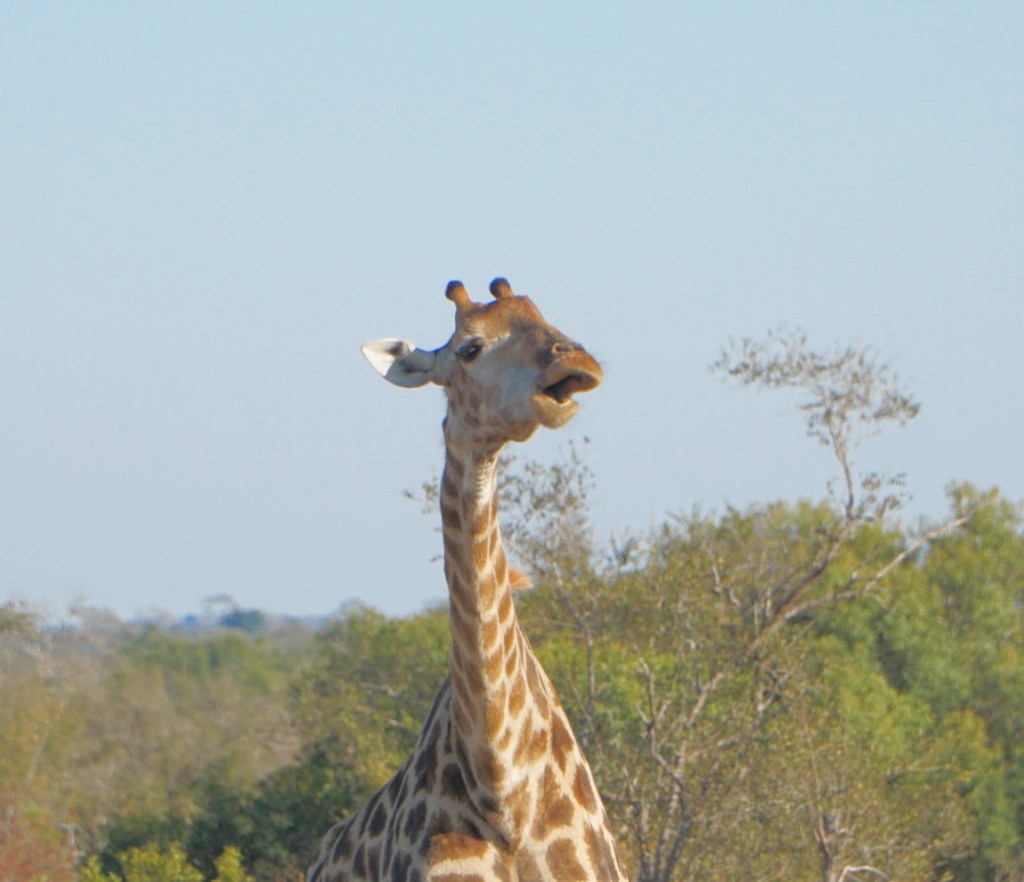
This giraffe was also chewing on a bone to get calcium from it.
One of the days, we saw a lion from another pride that tried to come to the area, who was chased away by the alpha male.

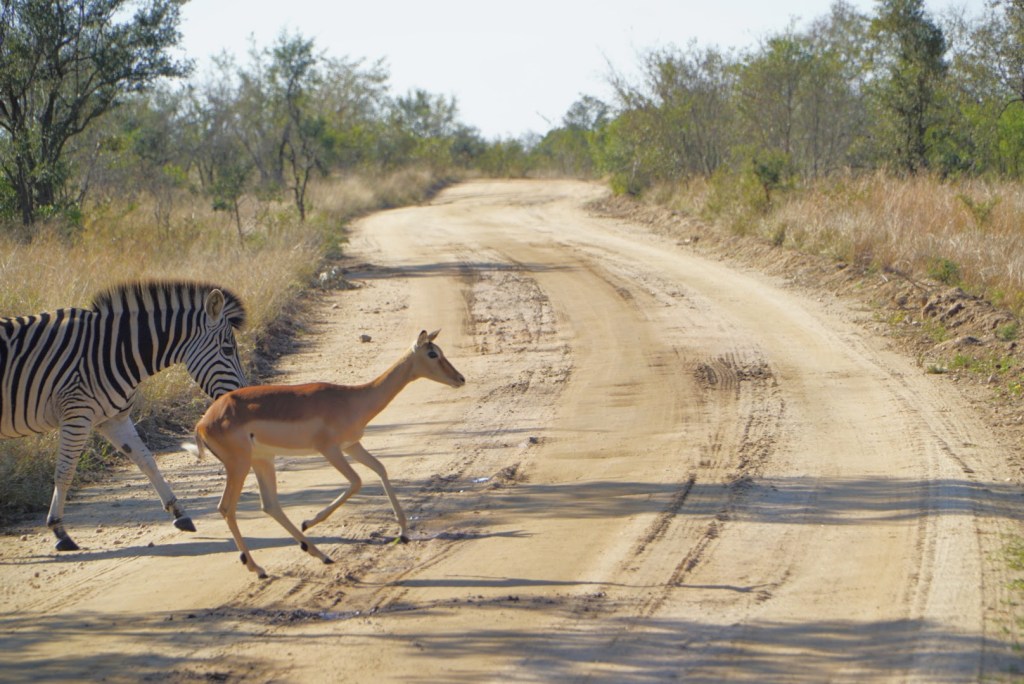
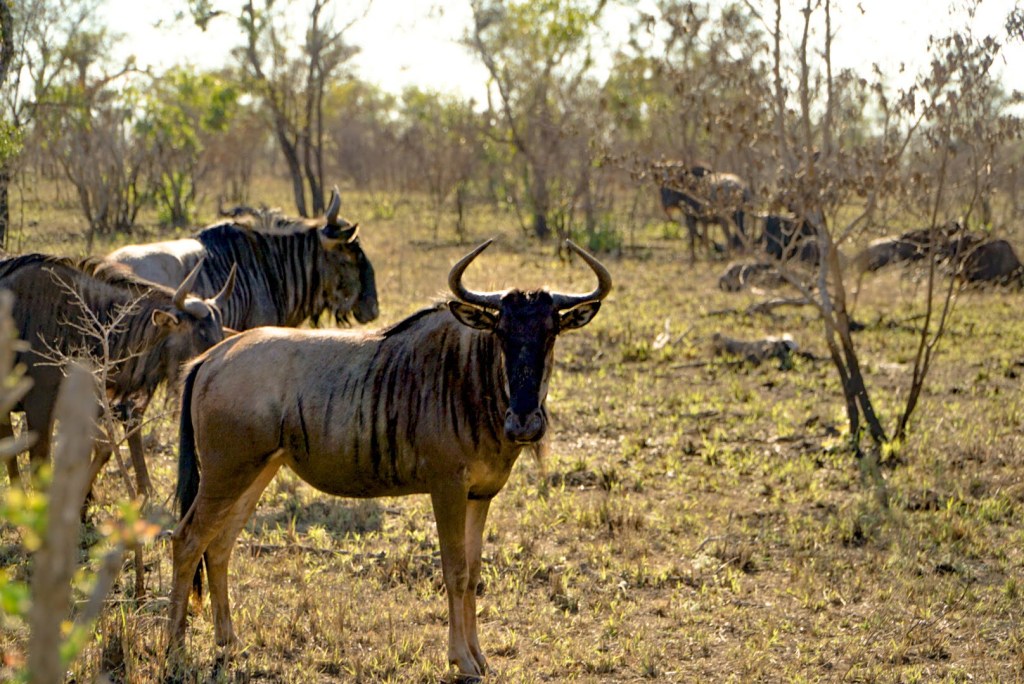
We saw lots of zebras, wildebeests, and impala. They often travel together for proctection.
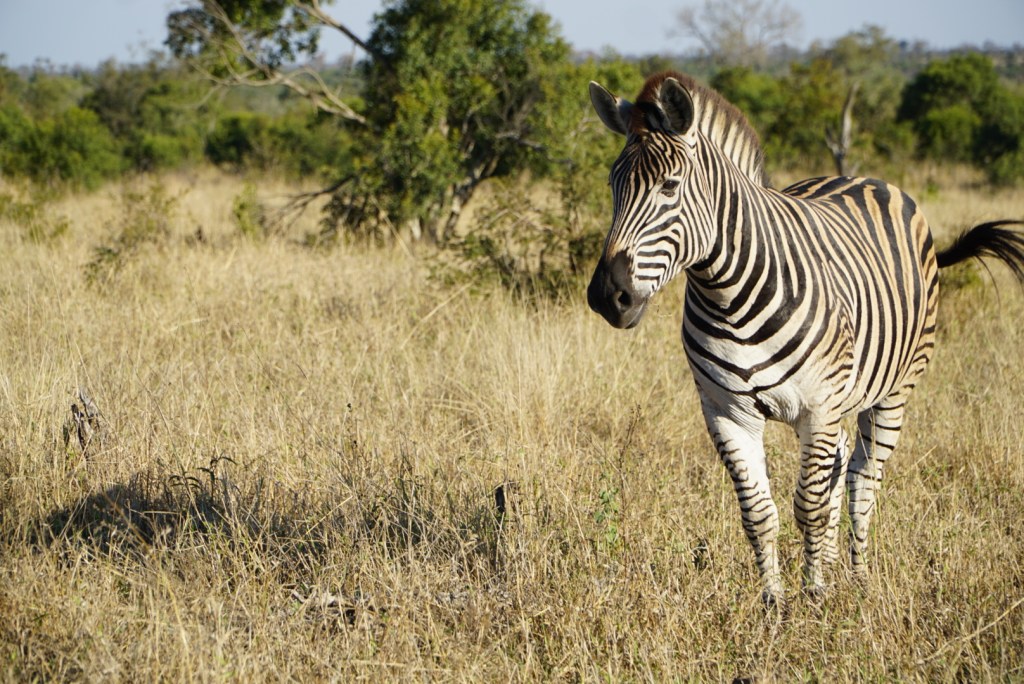
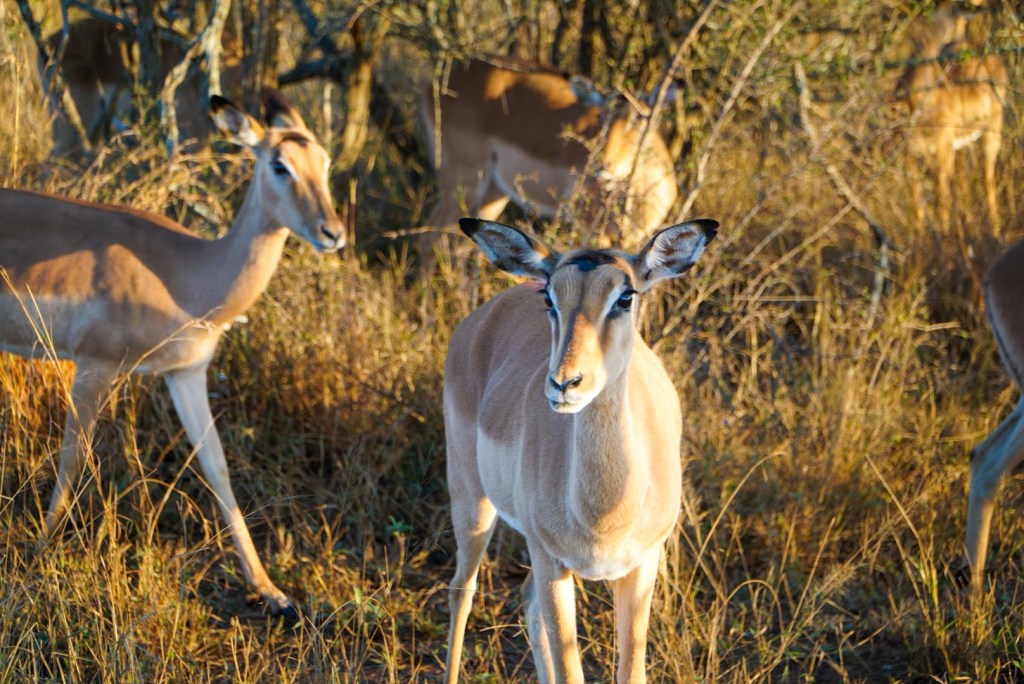
On oxpecker on a buffalo
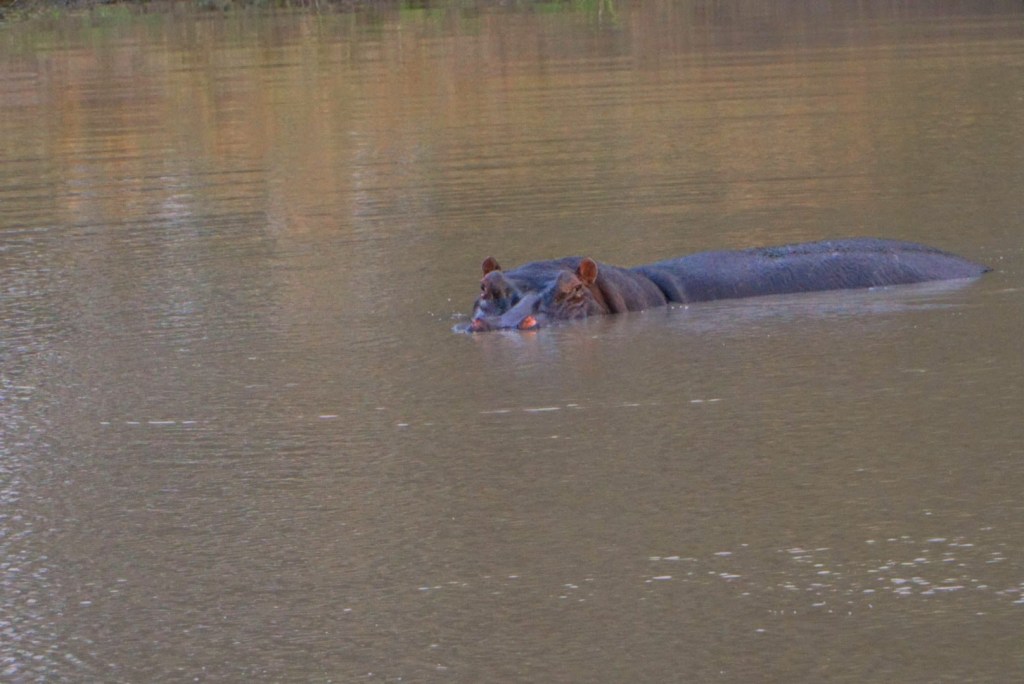
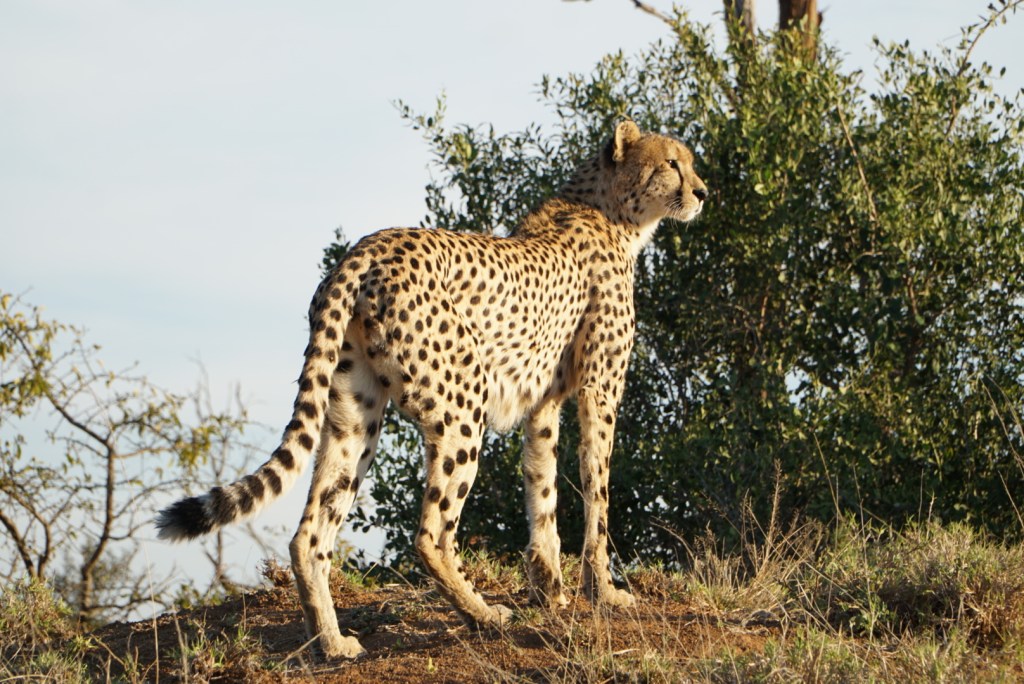
We were also lucky enough to see some more elusive animals-a hippo, a cheetah, and a leopard. The leopard was too good at hiding for me to get any pictures.
 South Africa Travel Grant
Leave a comment