Today, we toured Table Mountain and got to see some great views of the city from the top. “Table Mountain National Park is part of the Cape Floristic Region World Heritage Site. Rare and endangered plants make this area a biodiversity hotspot. Fynbos (fine bush) is an ancient and fire dependent vegetation which needs to burn every 15 years to stimulate growth and remain healthy. Proteas can be seen most places in the park while some very special and rare plants are present in the mountain wetlands and in Noordhoek.” (https://www.nature-reserve.co.za/cape-peninsula-national-park.html)
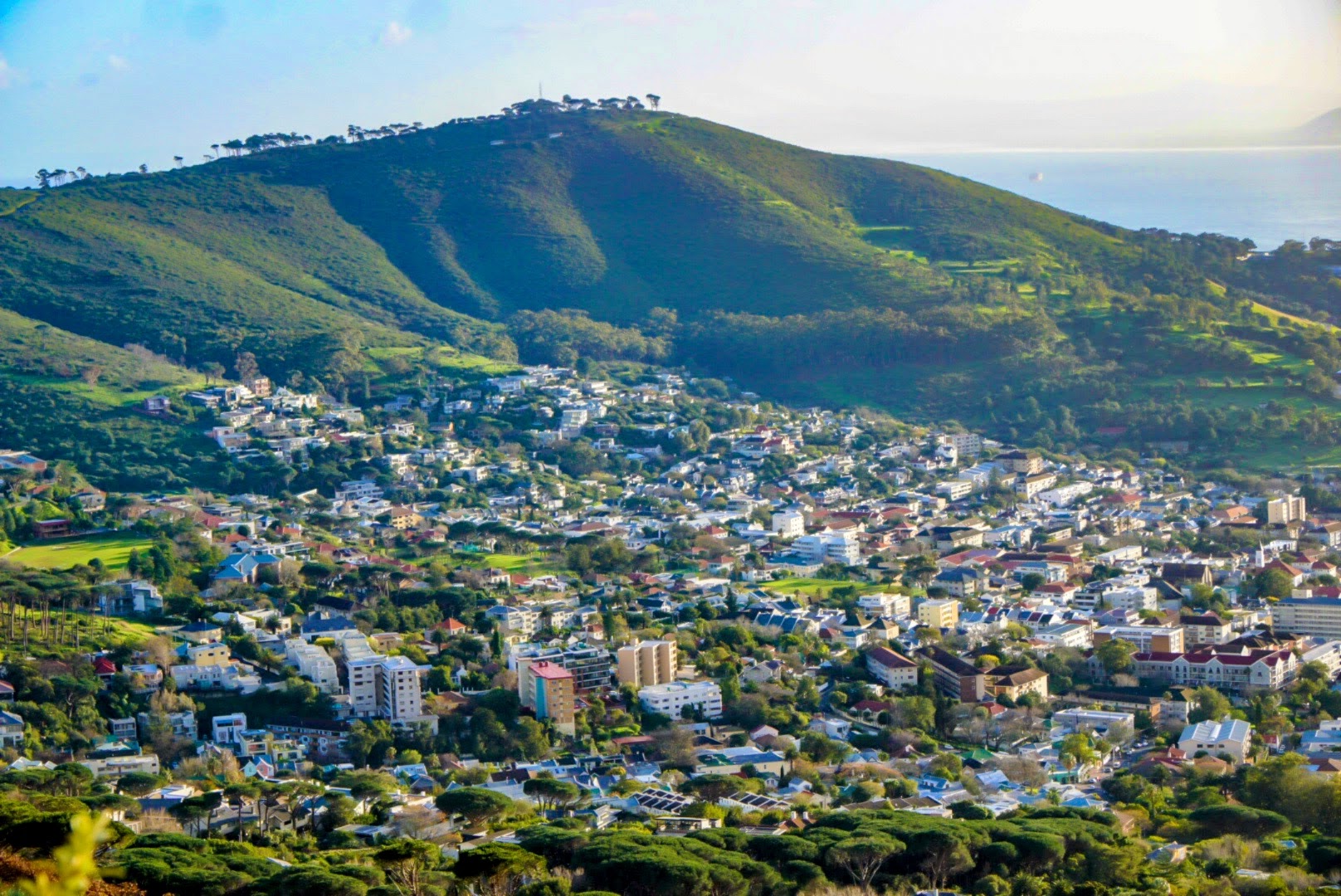
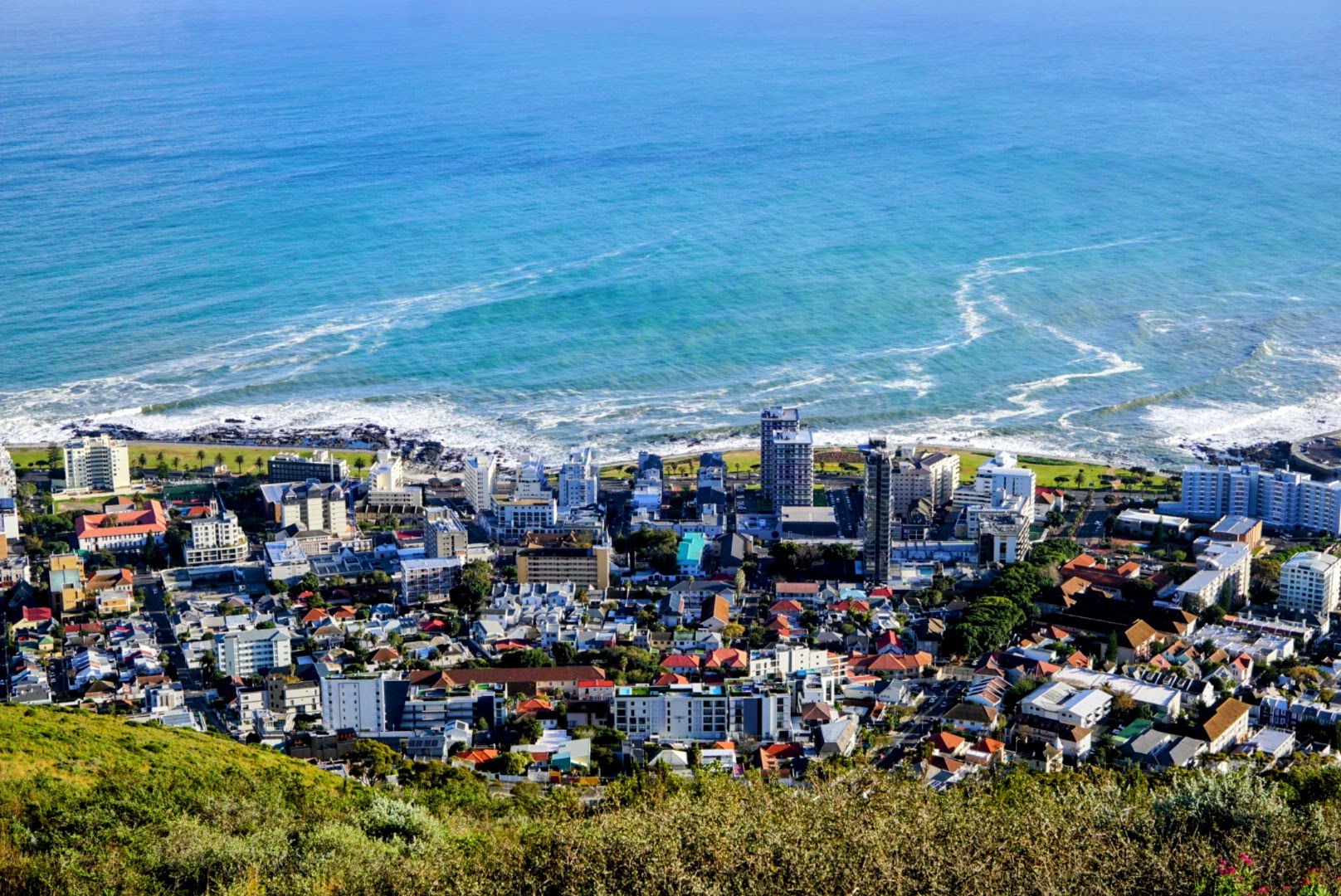
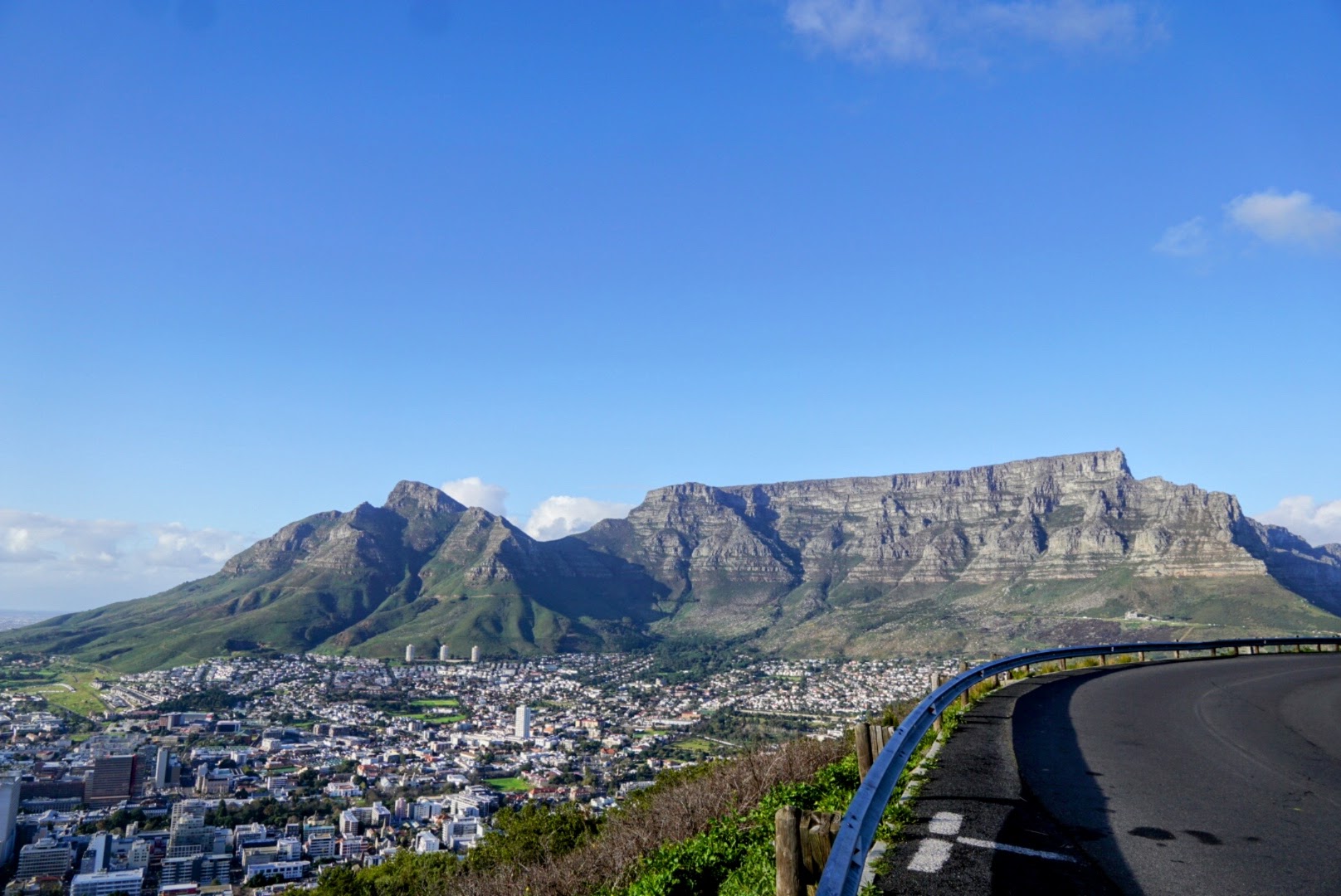
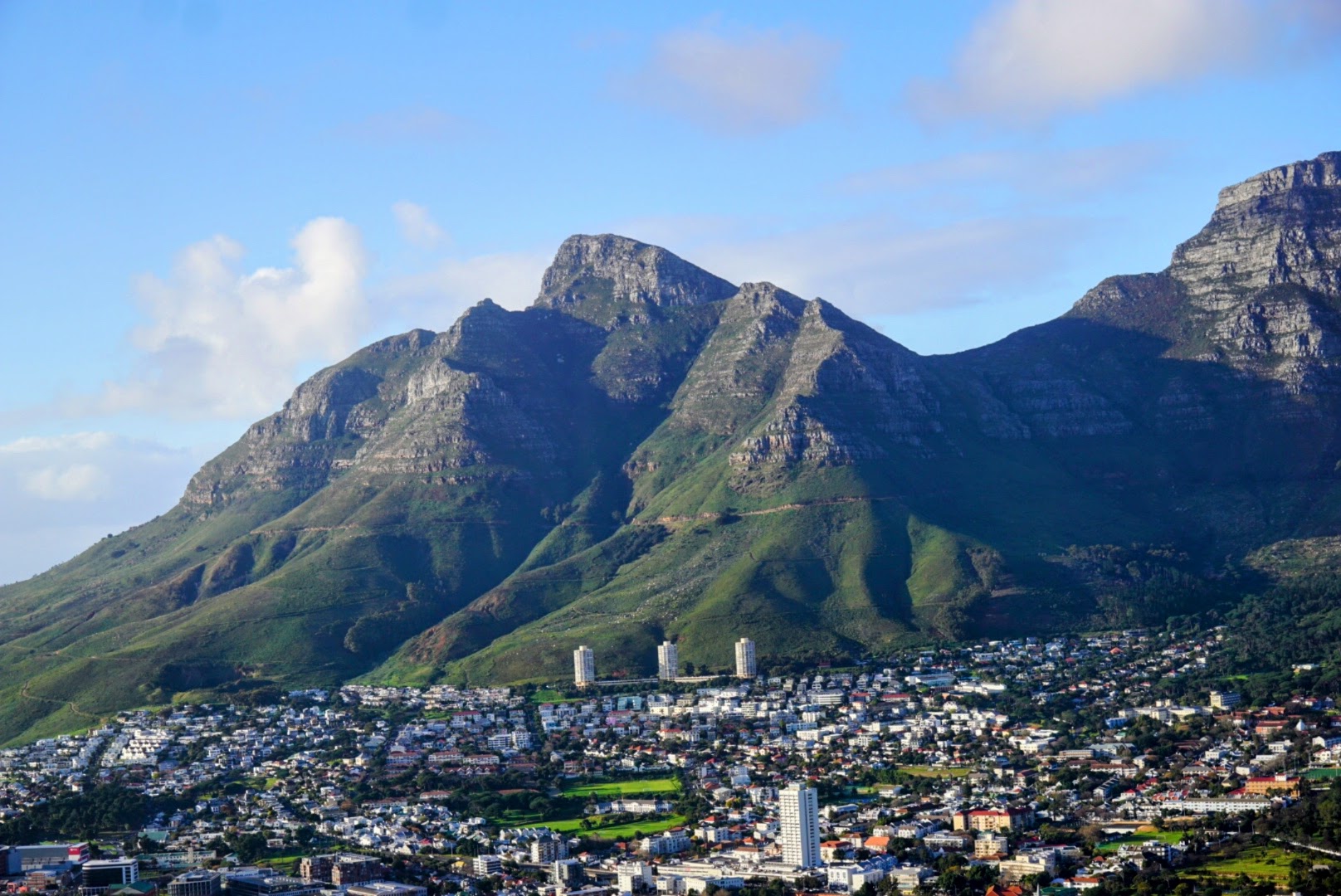
From here you can see why it’s called Table Mountain
While driving around, we can many people in green vests and our tour guide explained that they are working on conservation projects in the park.
After Table Mountain, we went to the Bo-Kaap area of town. Here is a brief history of the area. “The Bo-Kaap’s origins date back to the 1760s when numerous “huurhuisjes” (rental houses) were built and leased to slaves. These people were known as Cape Malays, and were brought from Malaysia, Indonesia and the rest of Africa to work in the Cape. To this day, the houses are a mix of Cape Dutch and Georgian architecture, in distinctive multi-coloured rows on steeply cobbled roads. The choice of colour is said to be attributed to the fact that while on lease, all the houses had to be white. When this rule was eventually lifted, and the slaves were allowed to buy the properties, all the houses were painted bright colours by their owners as an expression of their freedom. Many of the families in the Bo-Kaap have been living there for generations“ ( https://www.capetown.travel/getting-to-know-the-bo-kaap).
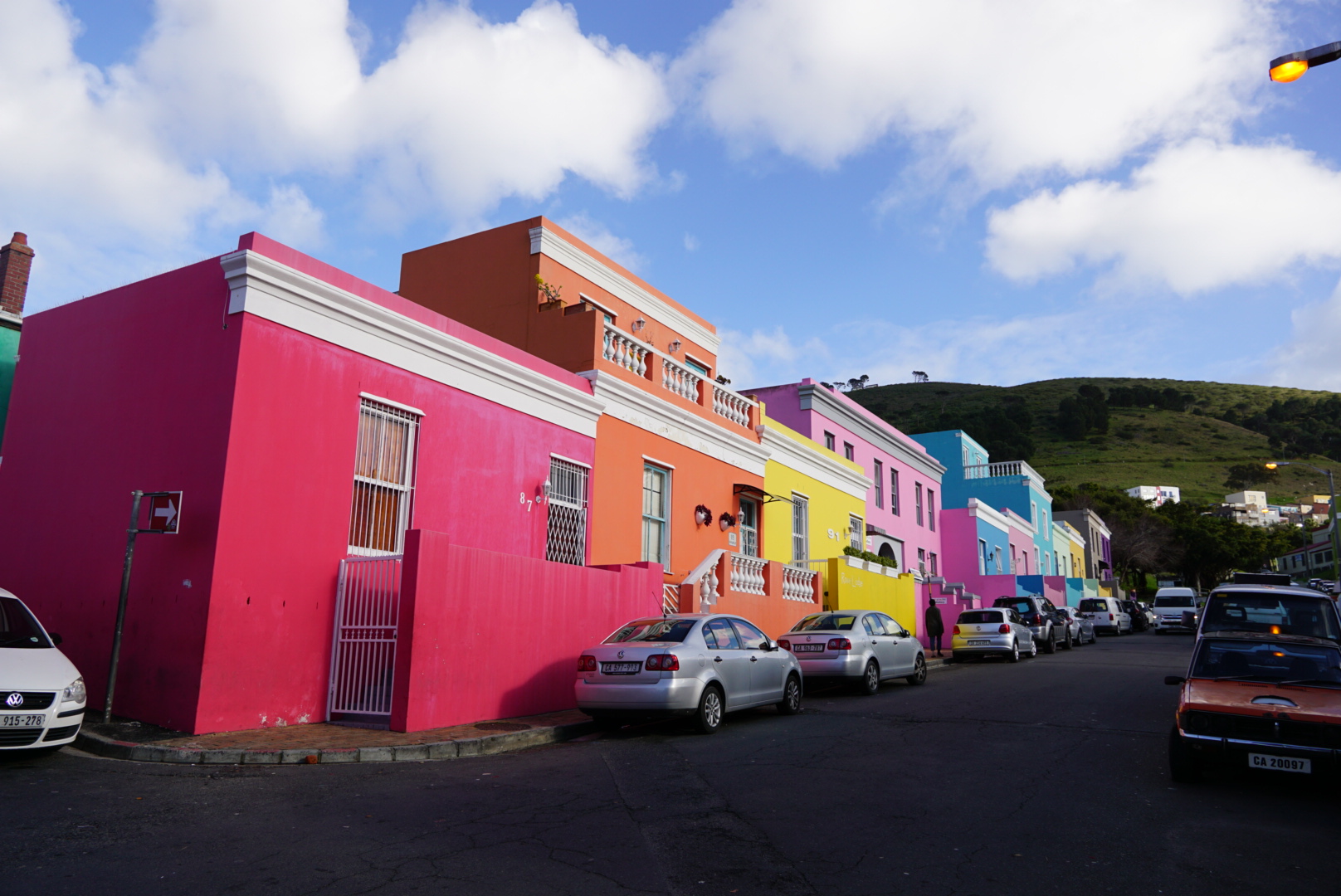
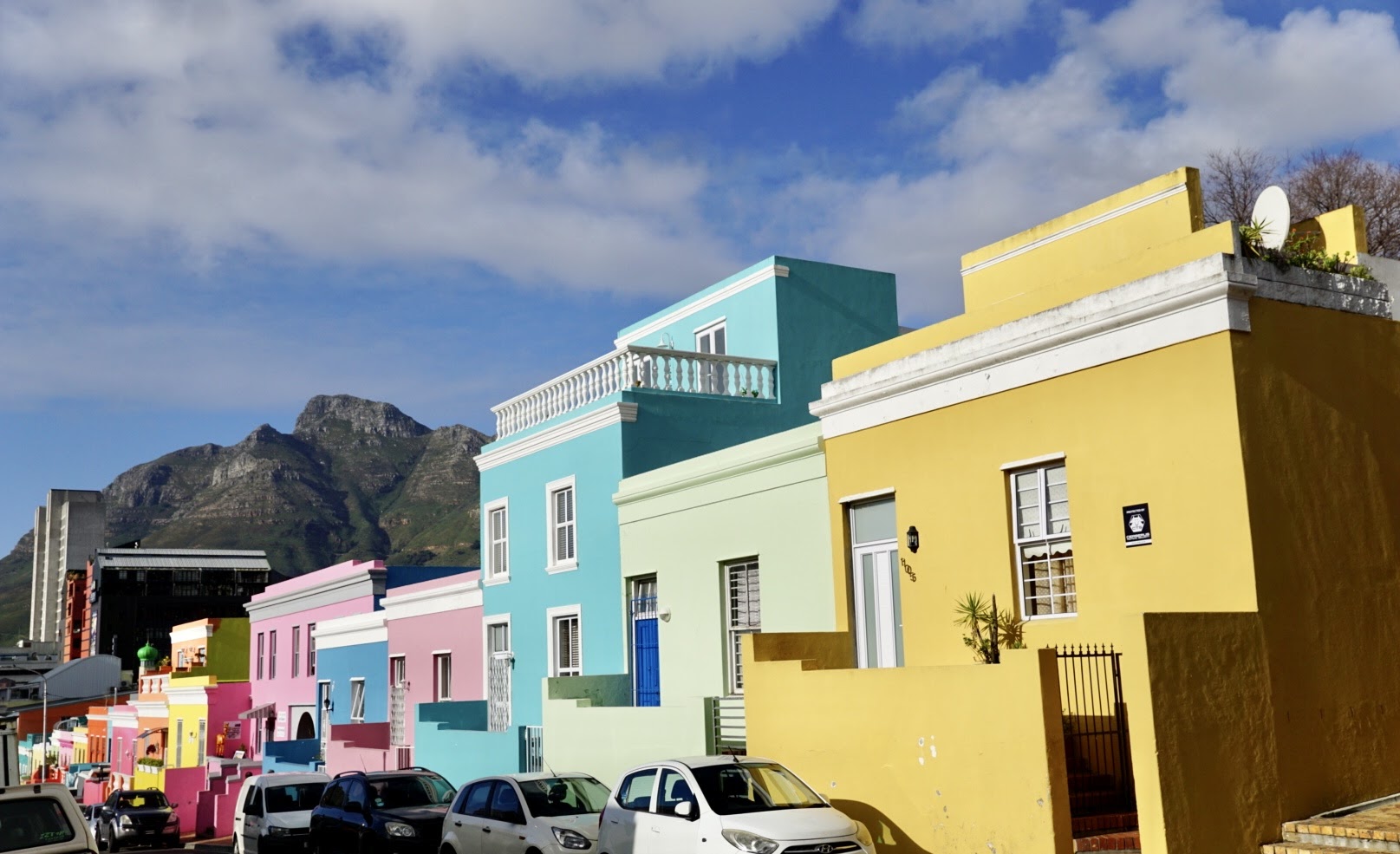
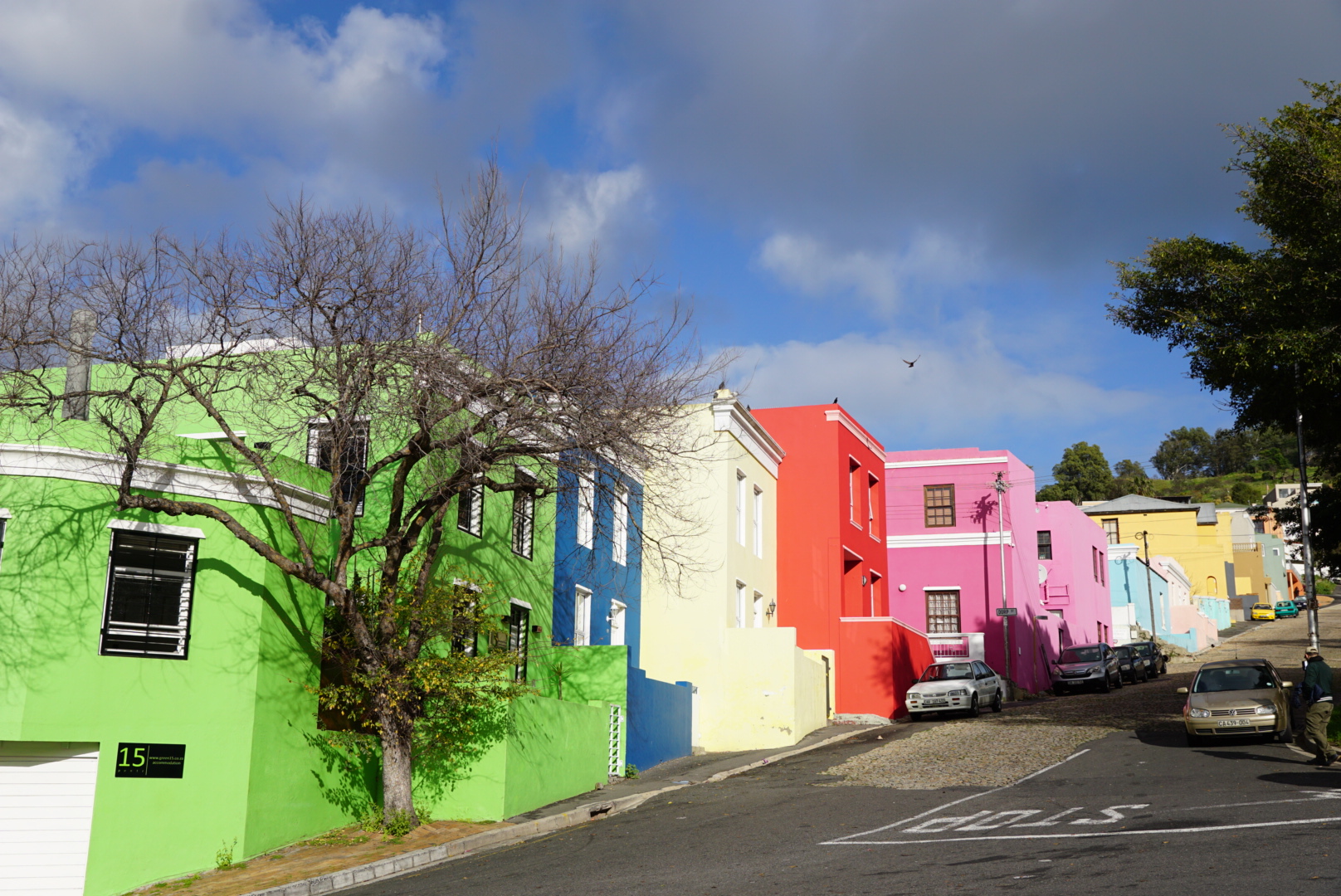
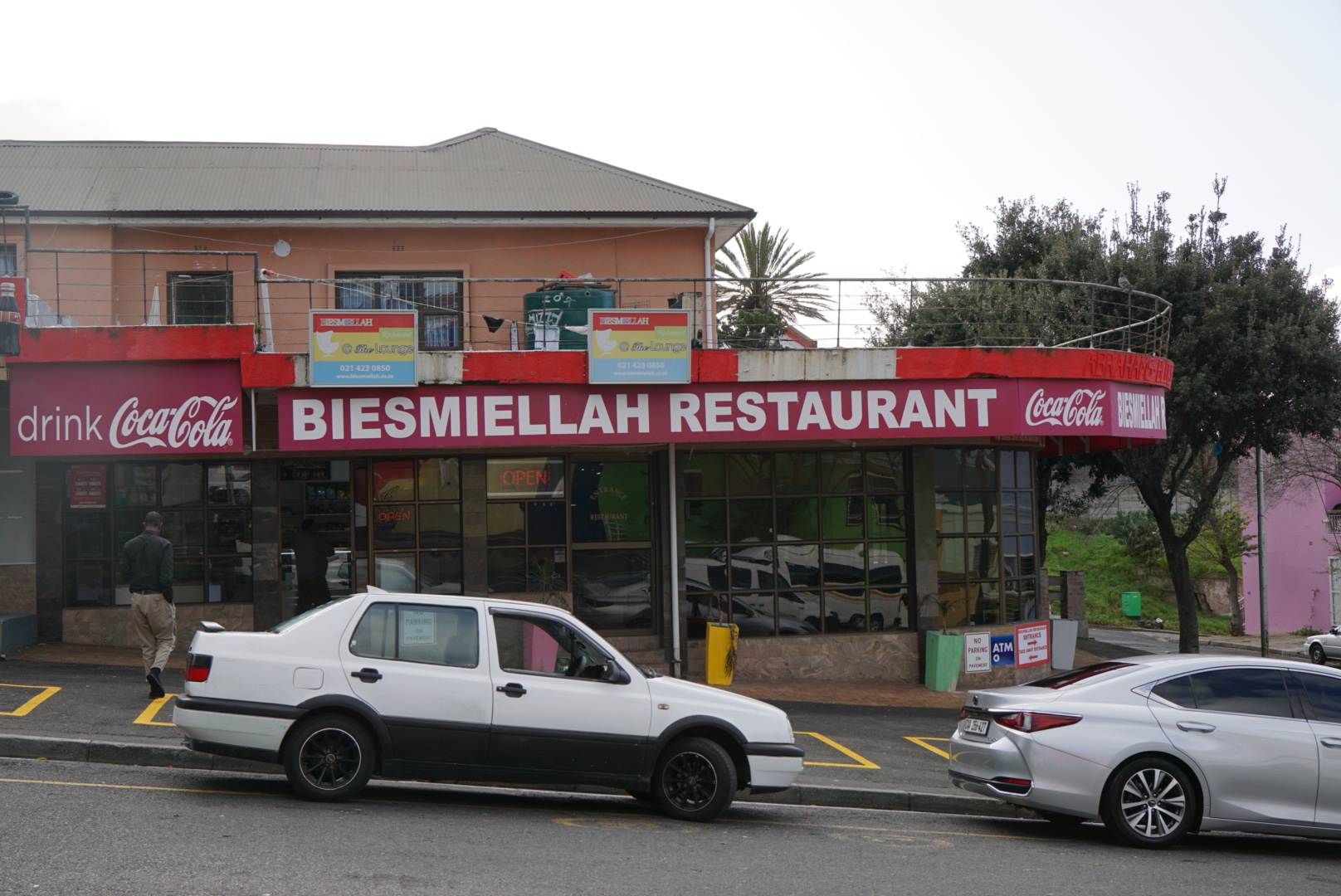
We then had lunch at a traditional Cape-Malay restaurant
Kirstenbosch is one of 10 National Botanical gardens covering five of South Africa’s six different biomes. It is run by the South African National Biodiversity Institute (SANBI) Kirstenbosch places a strong emphasis on the cultivation of indigenous plants. Kirstenbosch was founded in 1913 to preserve the flora native to South Africa. This was a unique ideas at the time because it was not until much later that the environmental problems caused by invasive species became well-know across the world. Prior to founding the garden, the land had been stripped of its native flora and used for farming. It took decades to restore it back to its natural state.
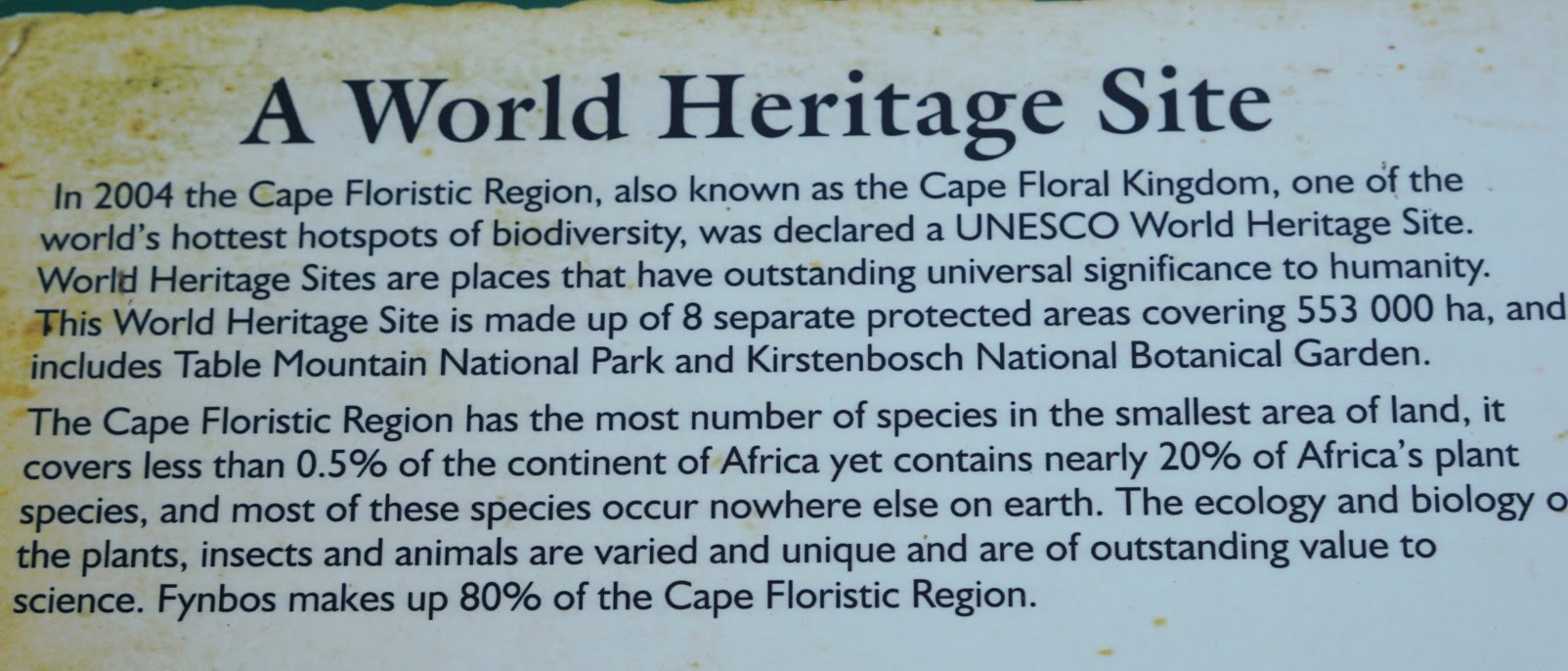
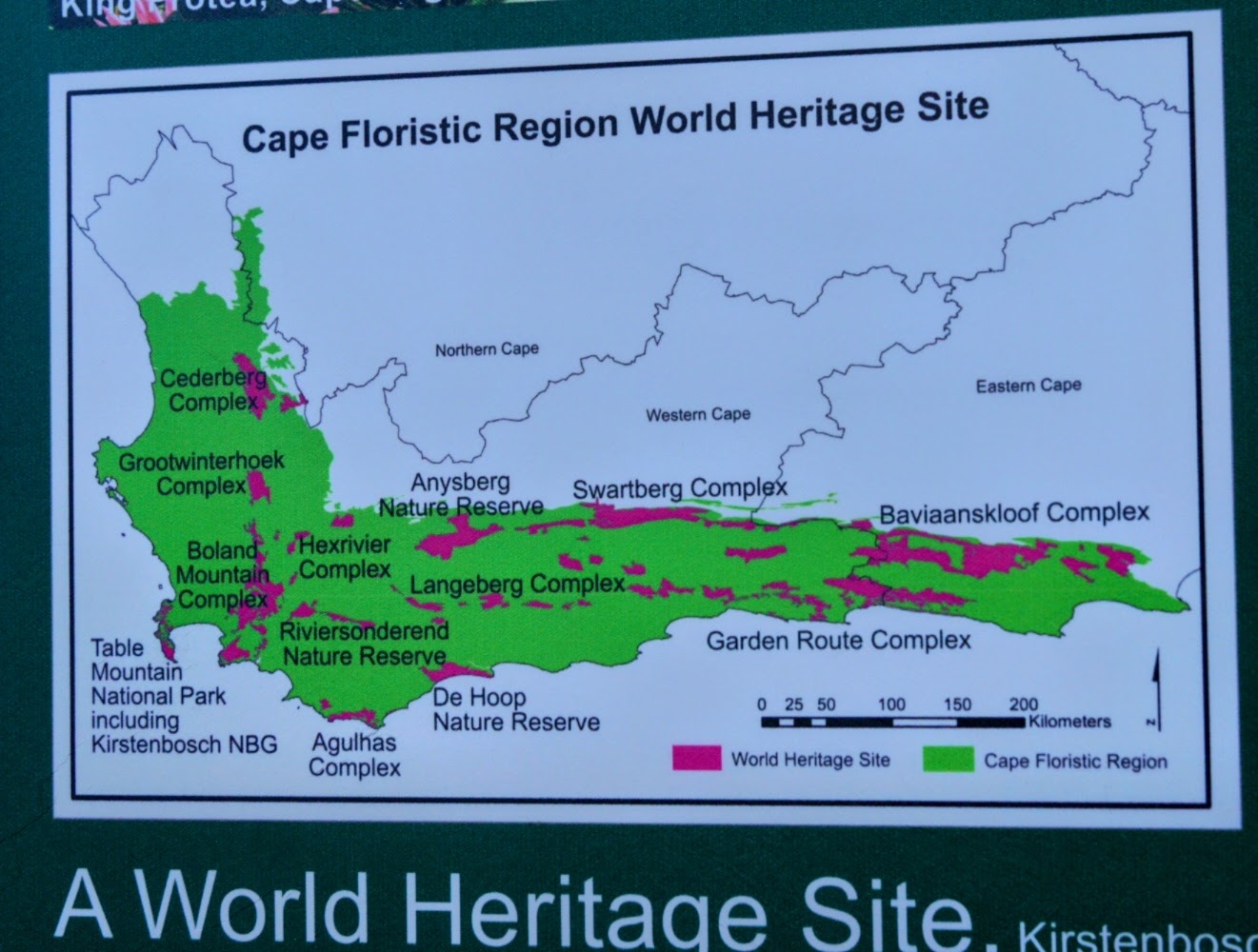
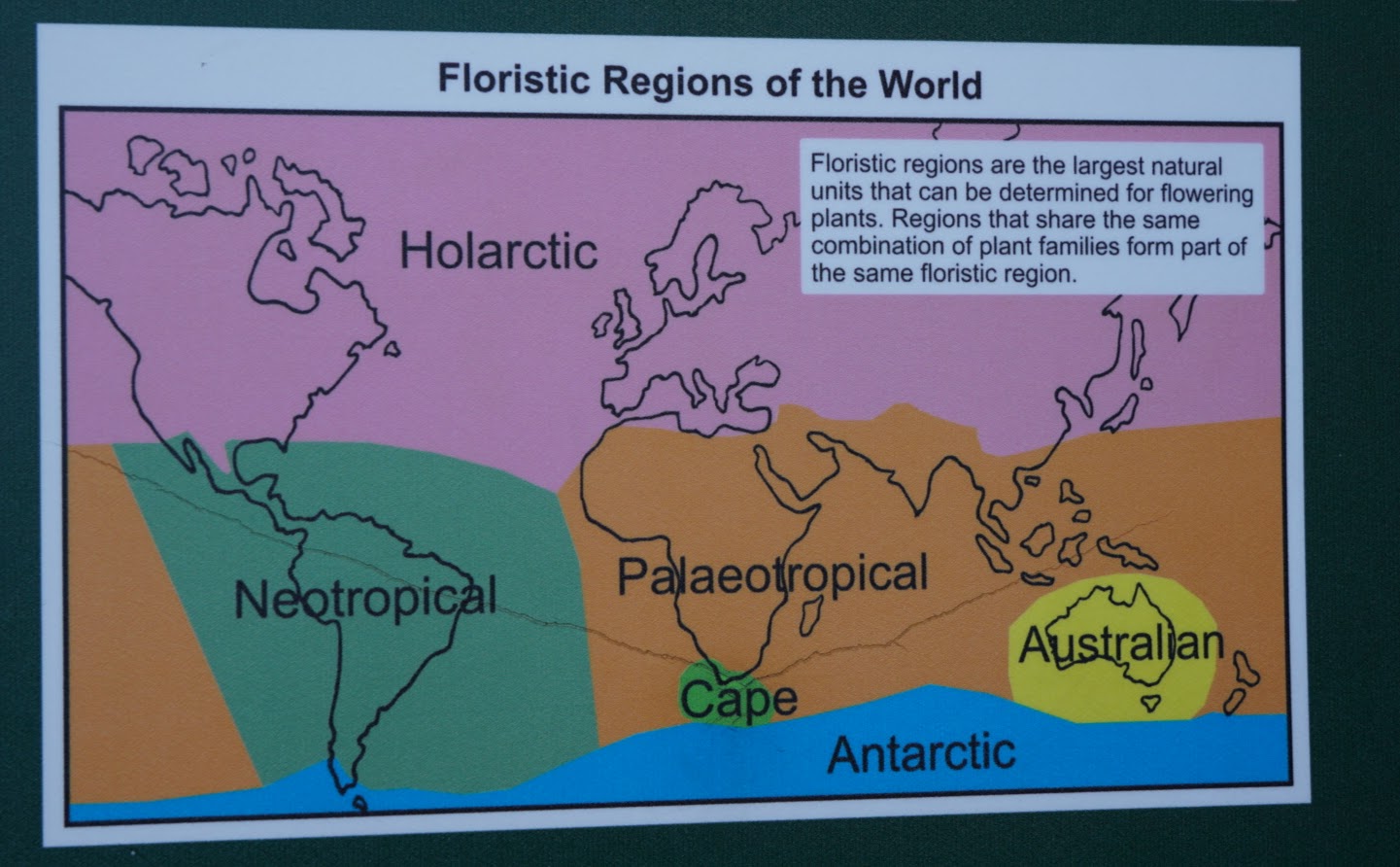
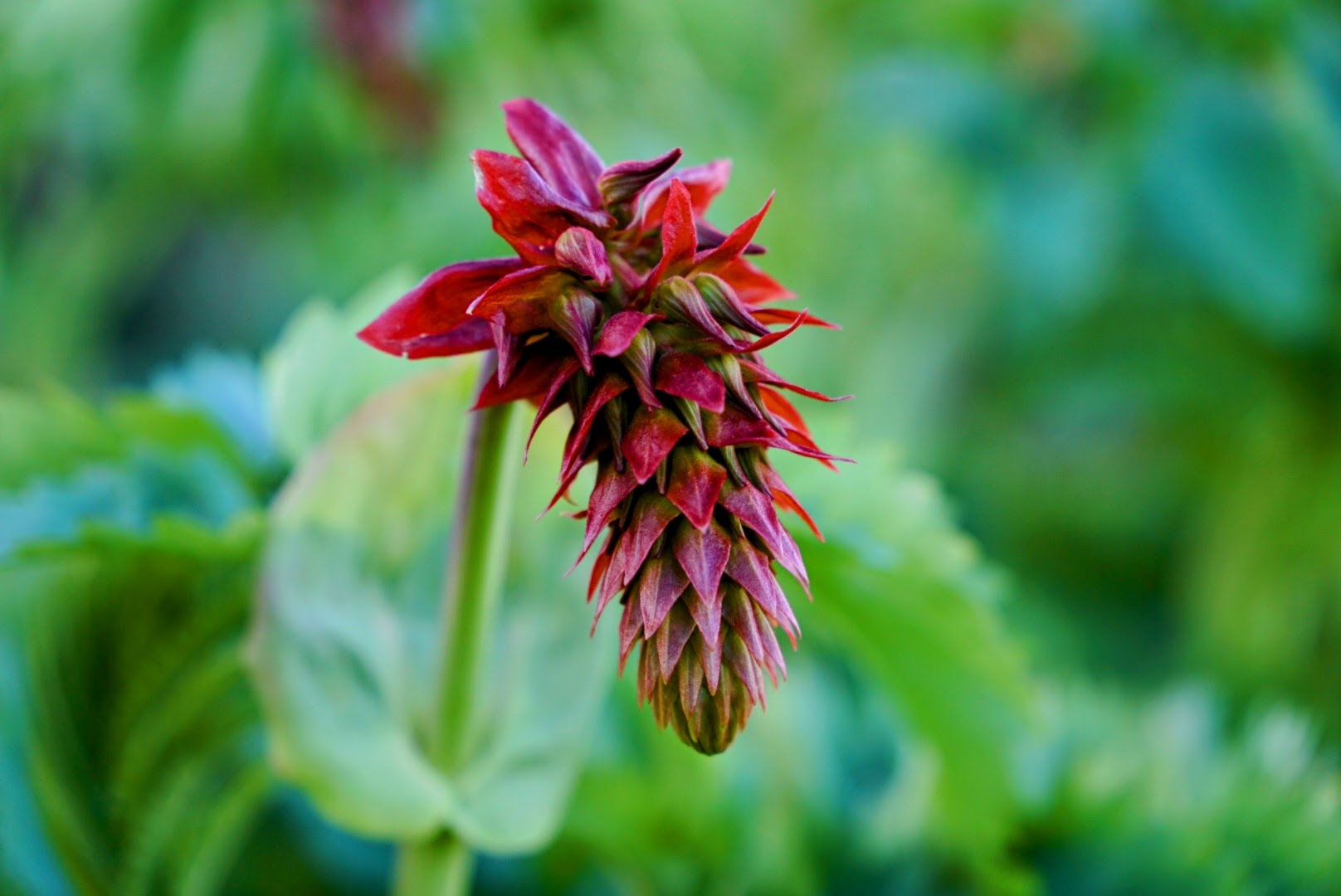
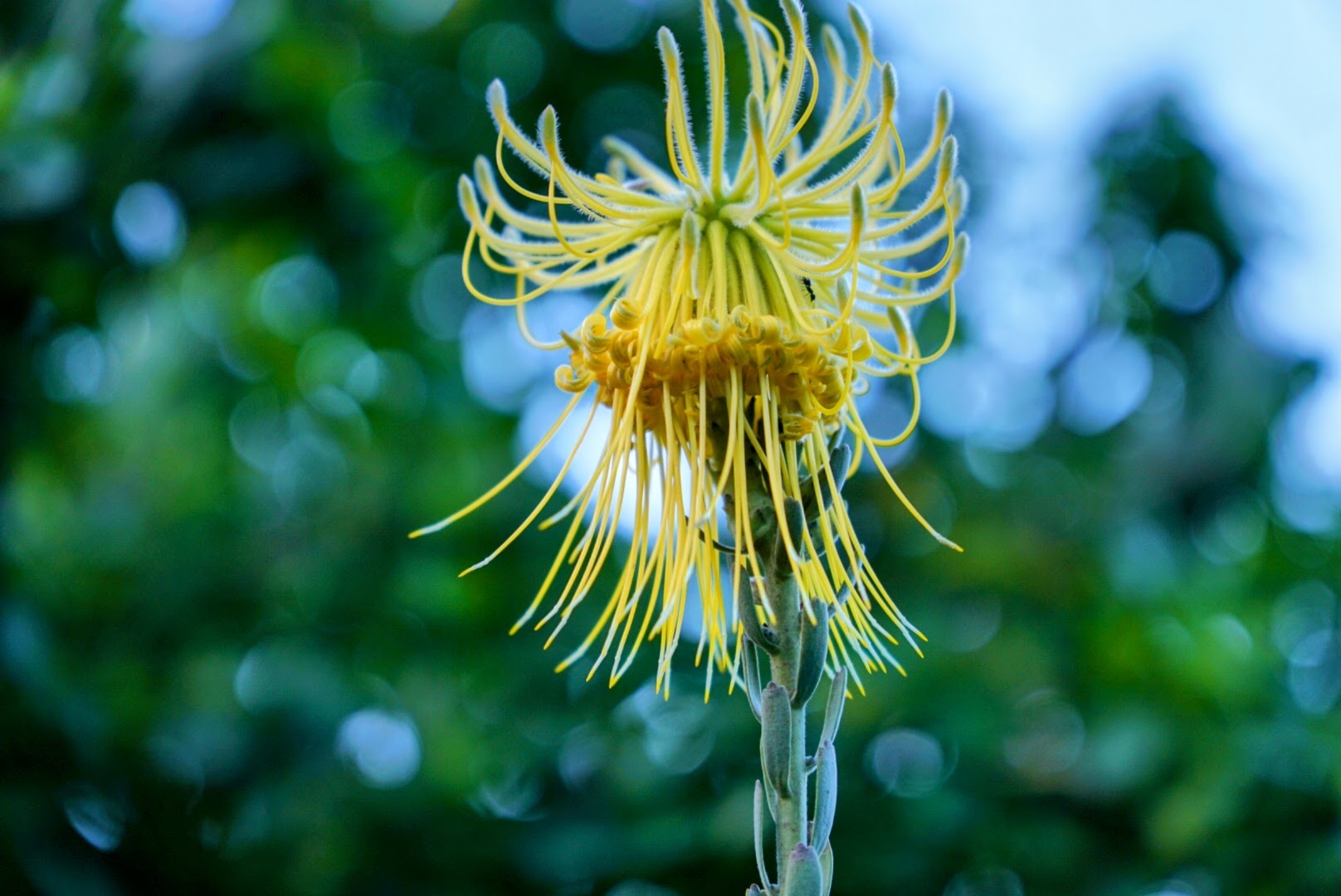
Although many of the species were similar to those you might find in Southern California, they were also unique.
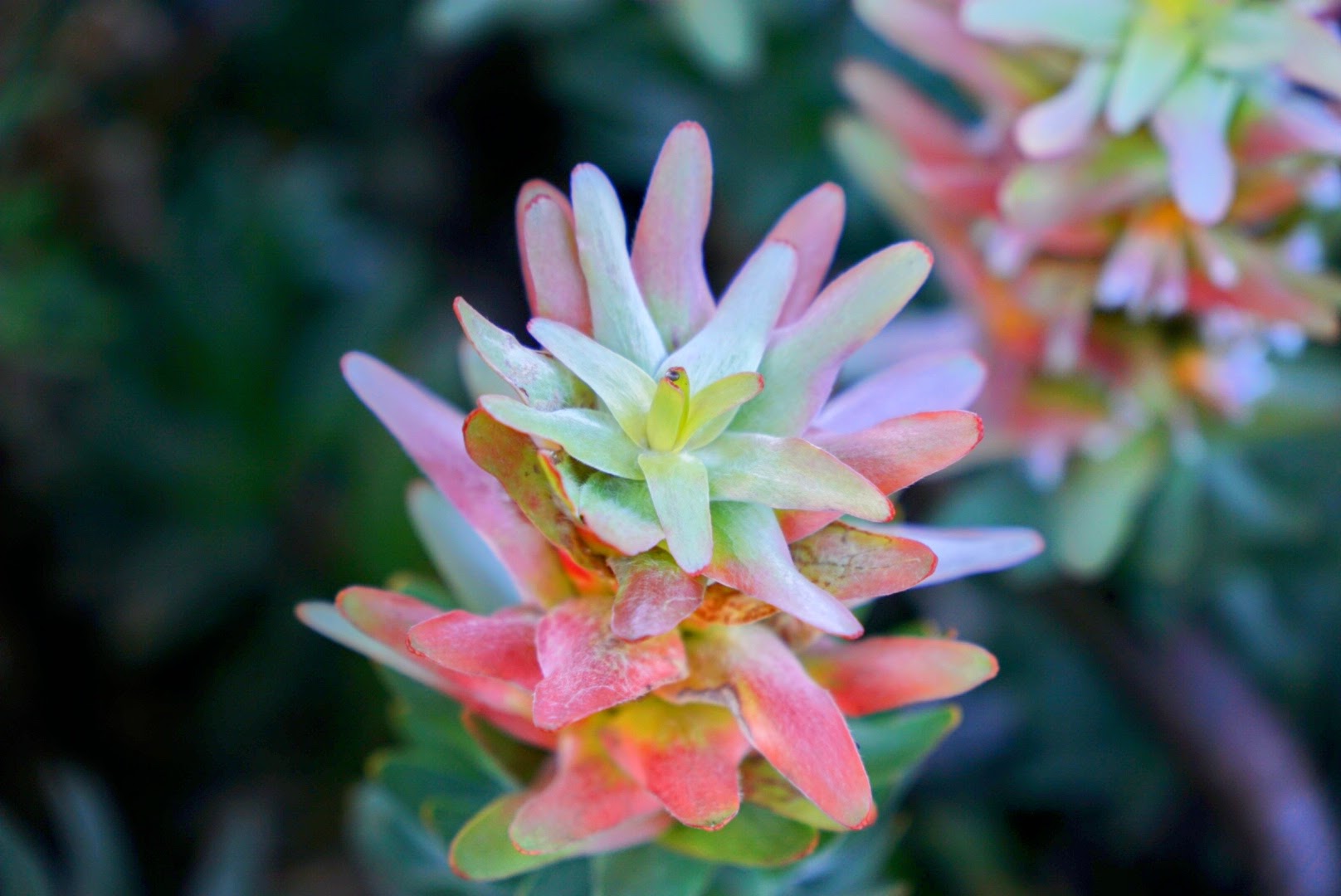
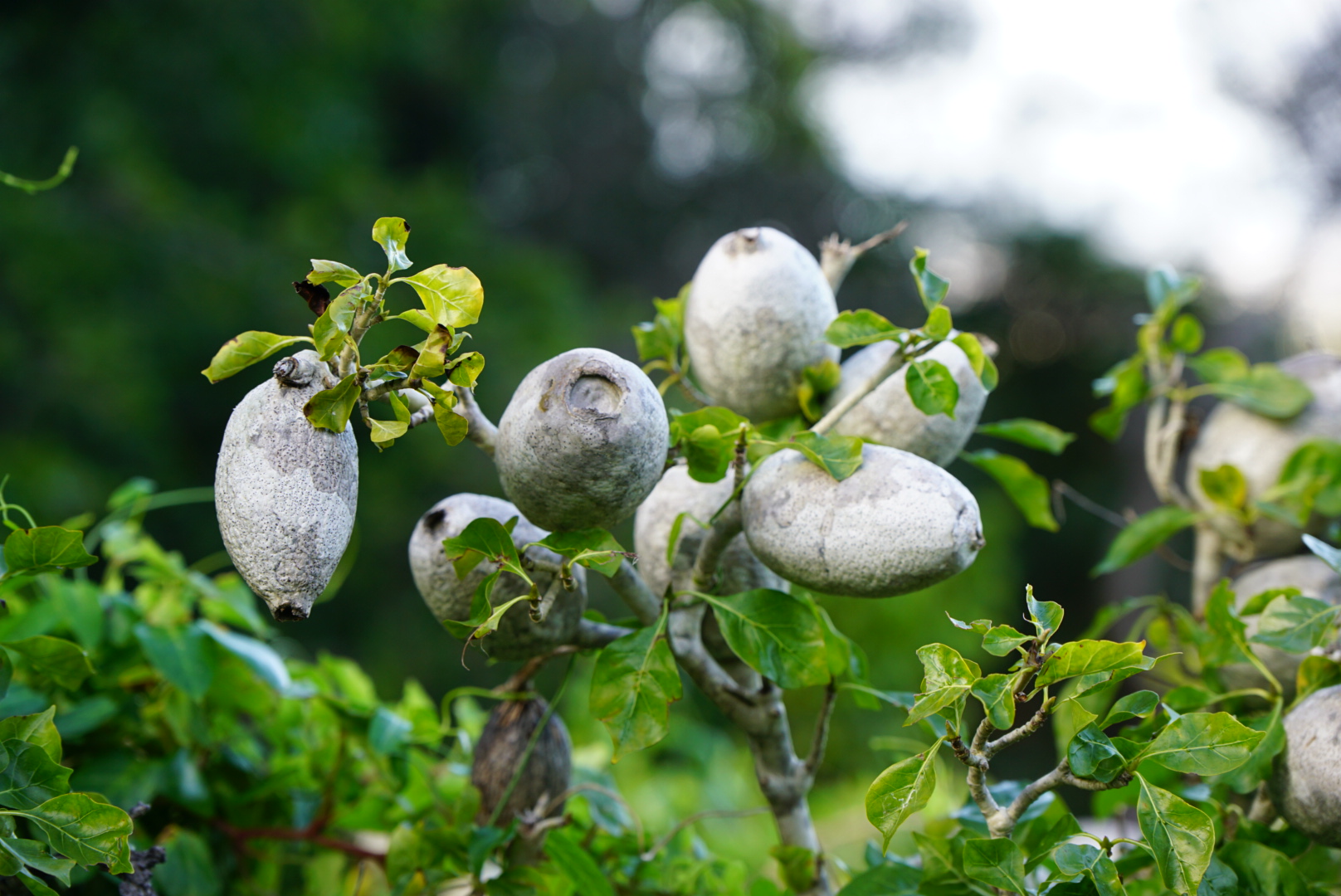
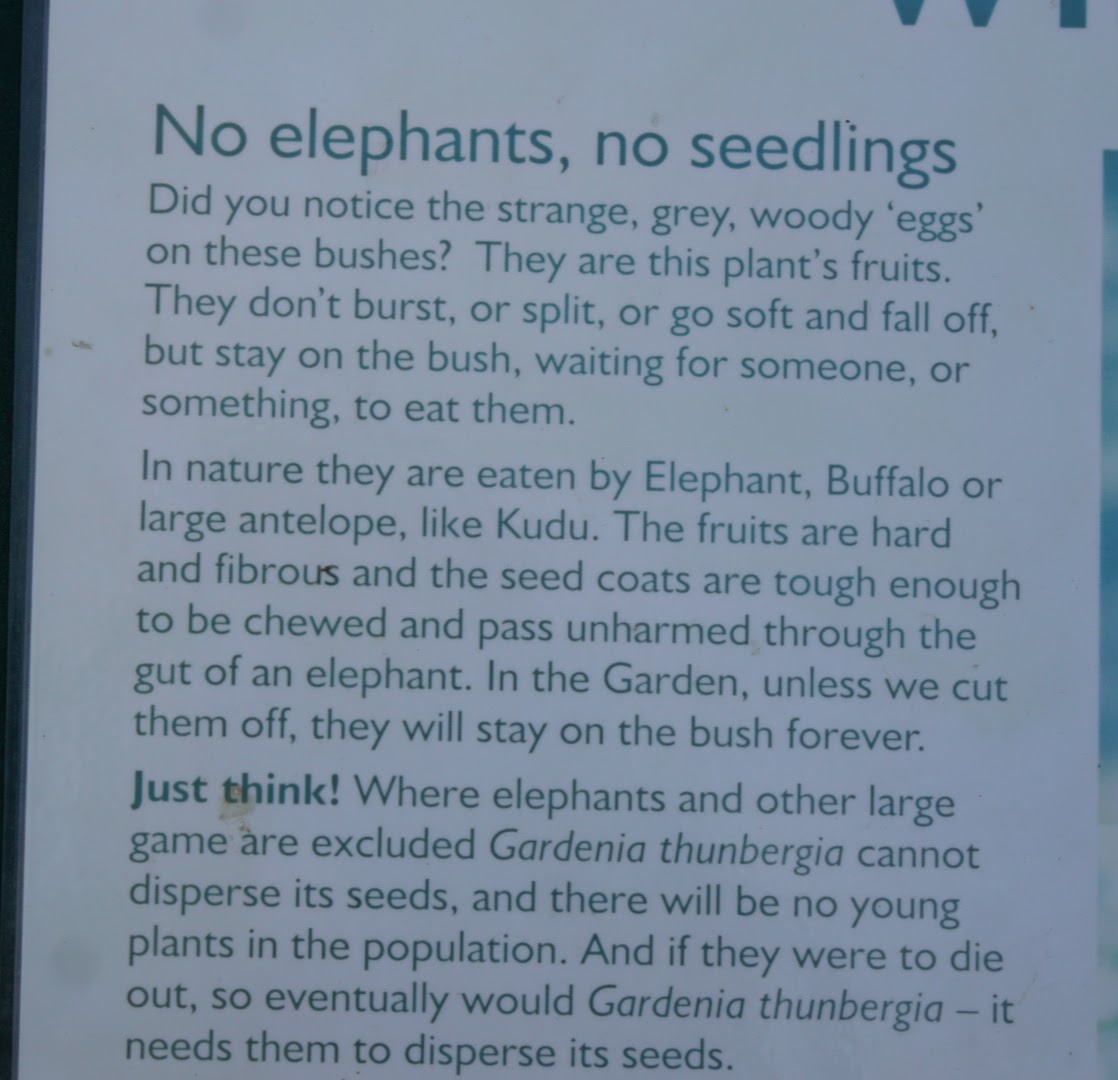
This plant relies on elephants in order to spread its seeds.
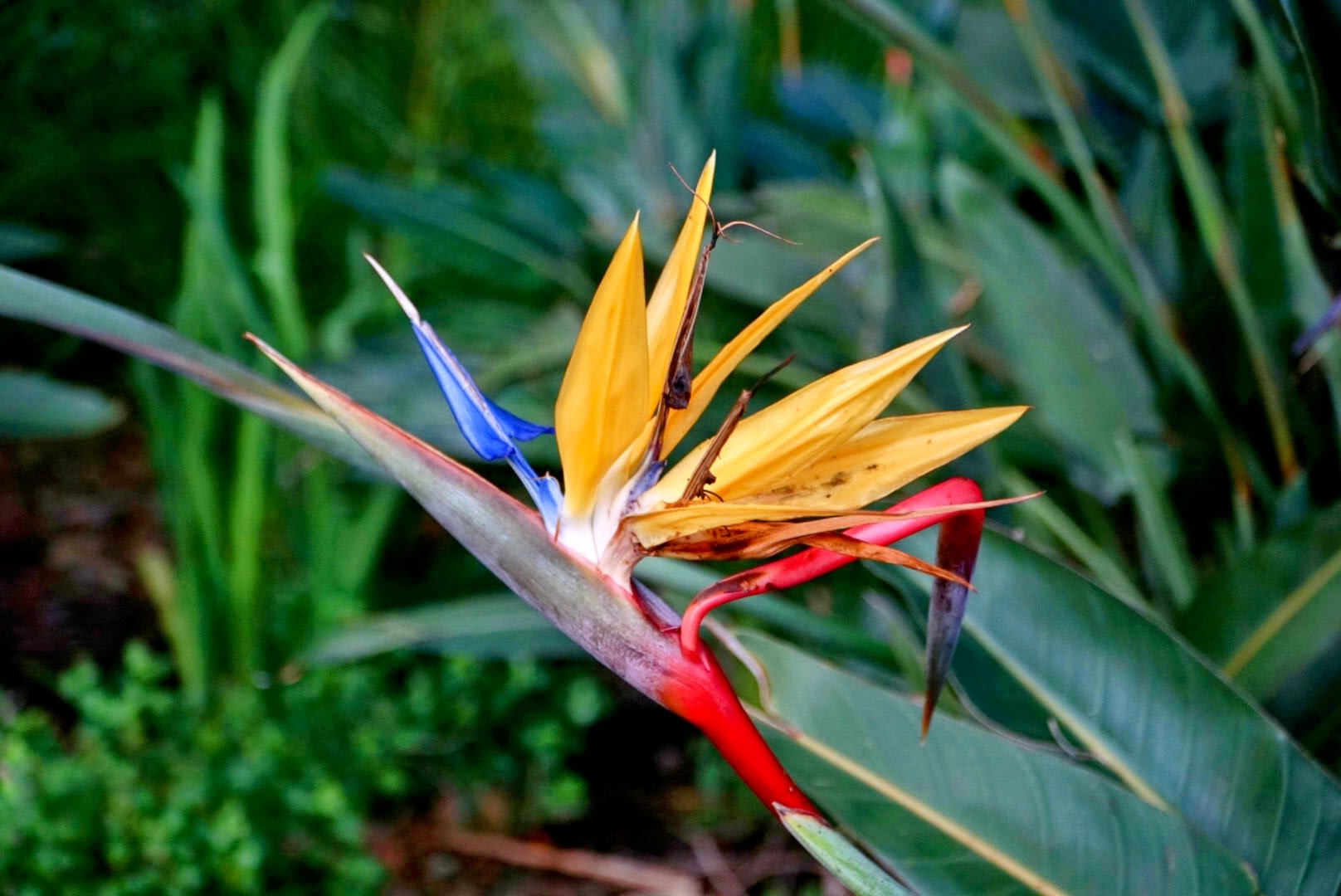
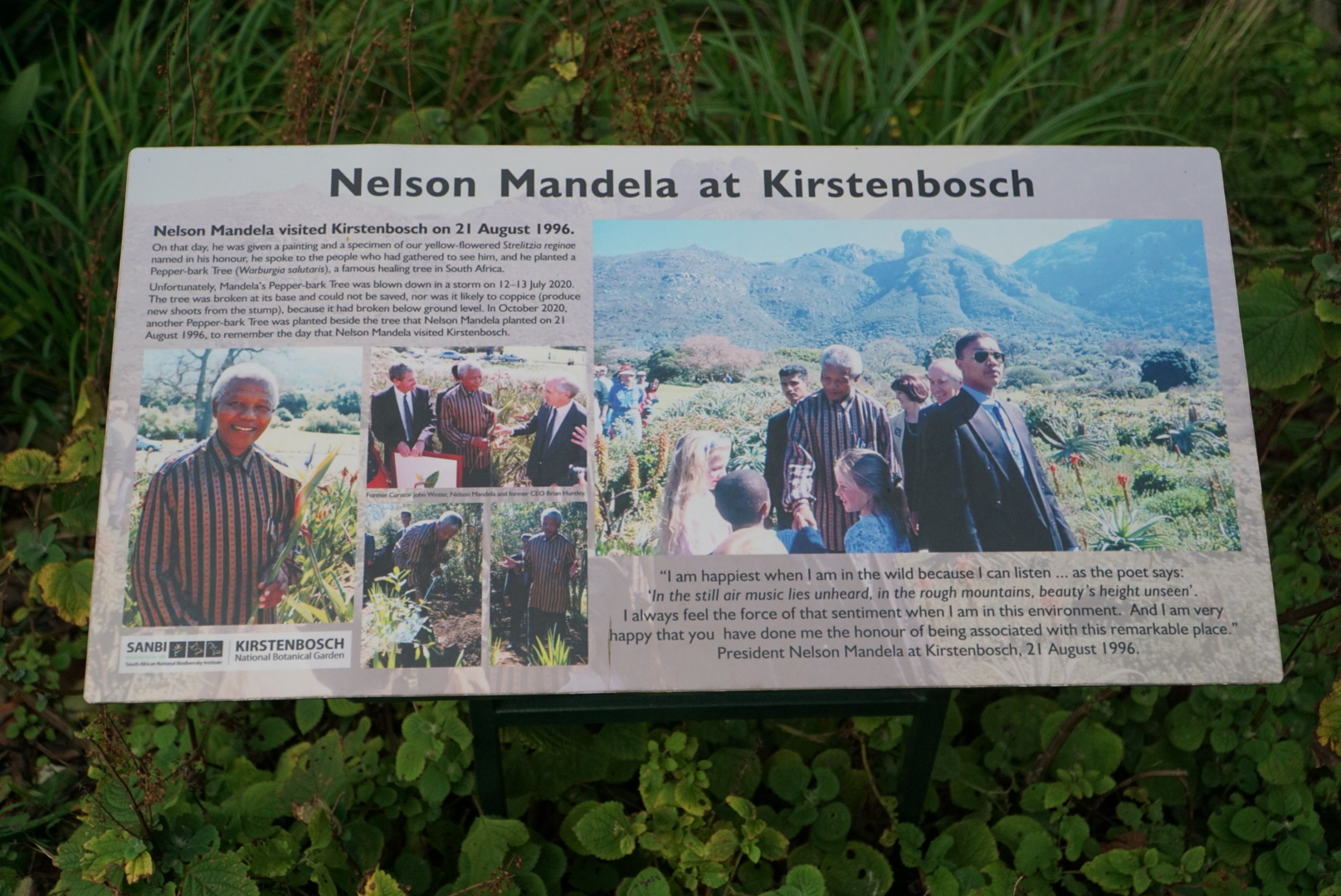
This Bird of Paradise is called Mandela’s Gold.
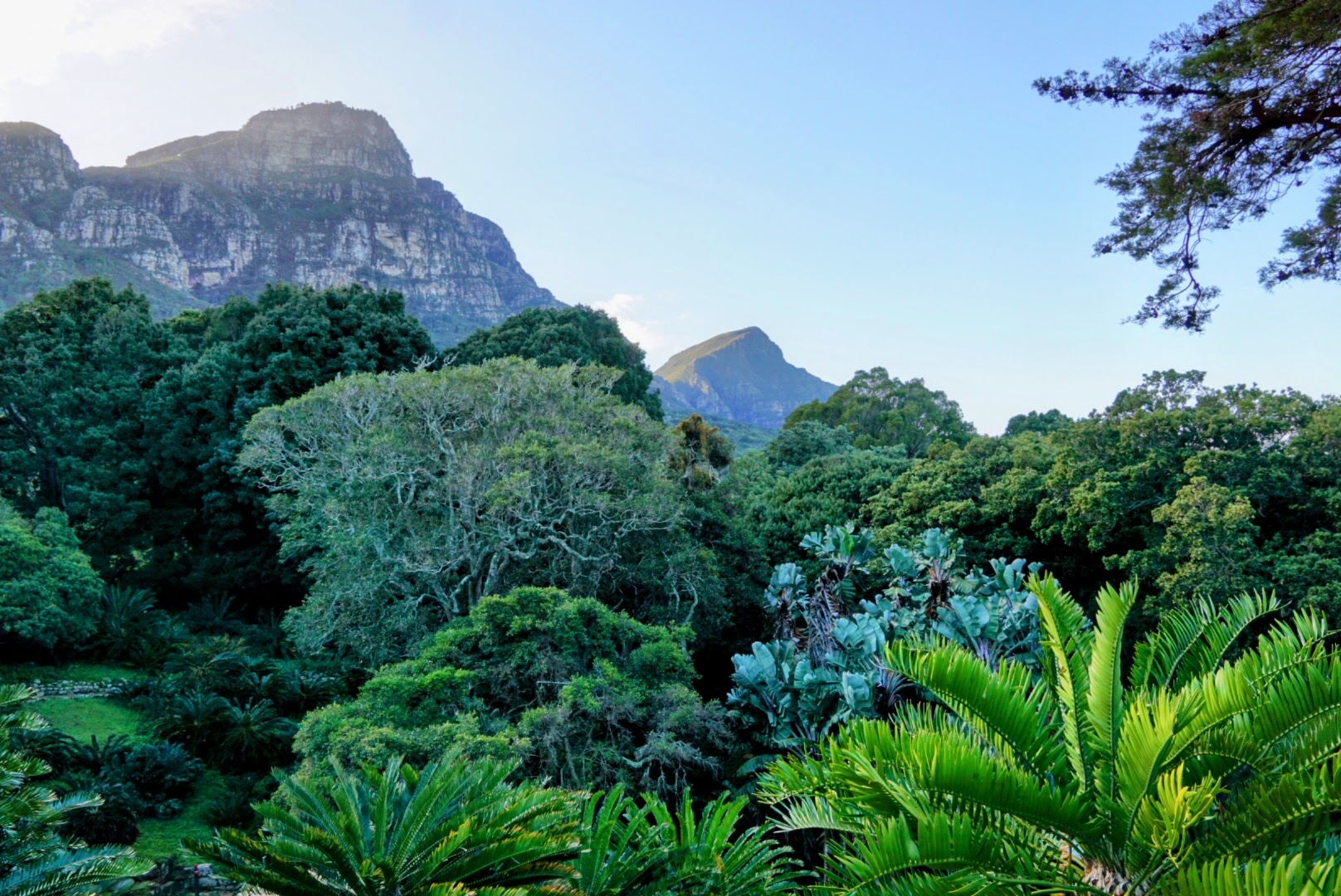
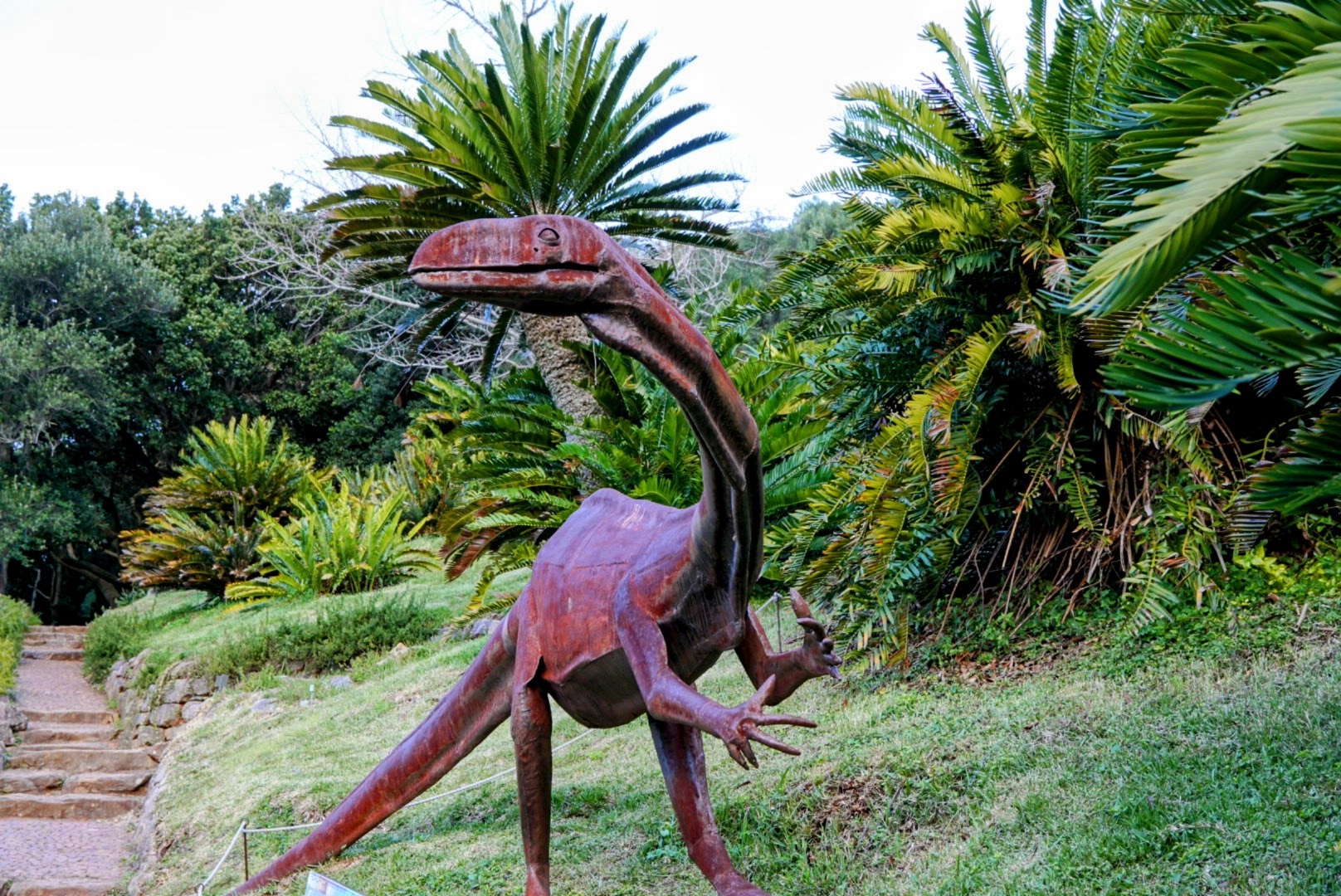
They had a section of the garden dedicated to plants that would have existed at the same time as the dinosaurs! You can see Table Mountain in the background below.
Several of the species at the gardens are endangered or near extinct, and the garden is working to preserve them. For example, this tree is the ONLY one of its kind!
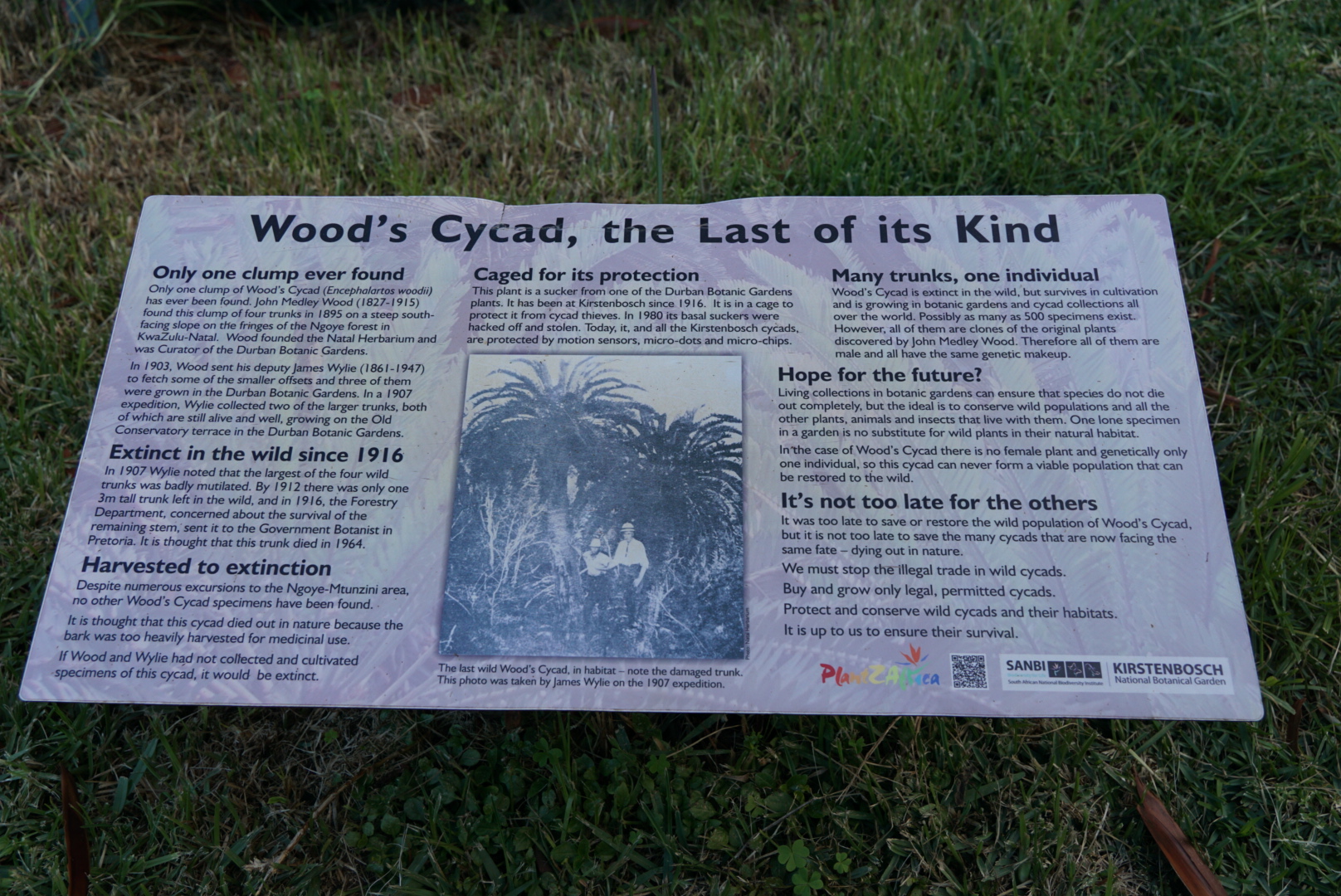
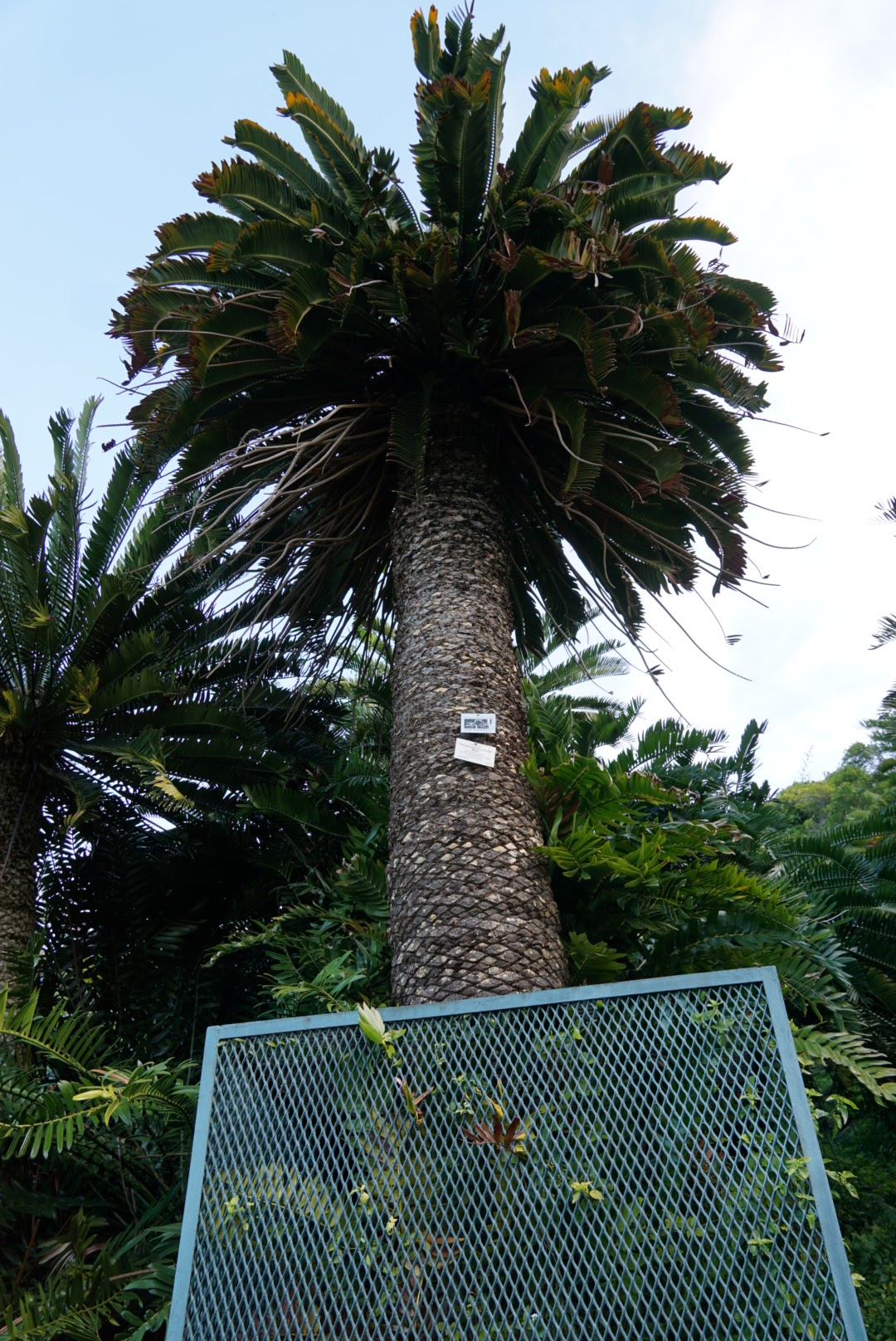
All the plants in the gardens were labeled like this, and they even had a section labeled “The Extinction Garden,” dedicated to very endangered plants.
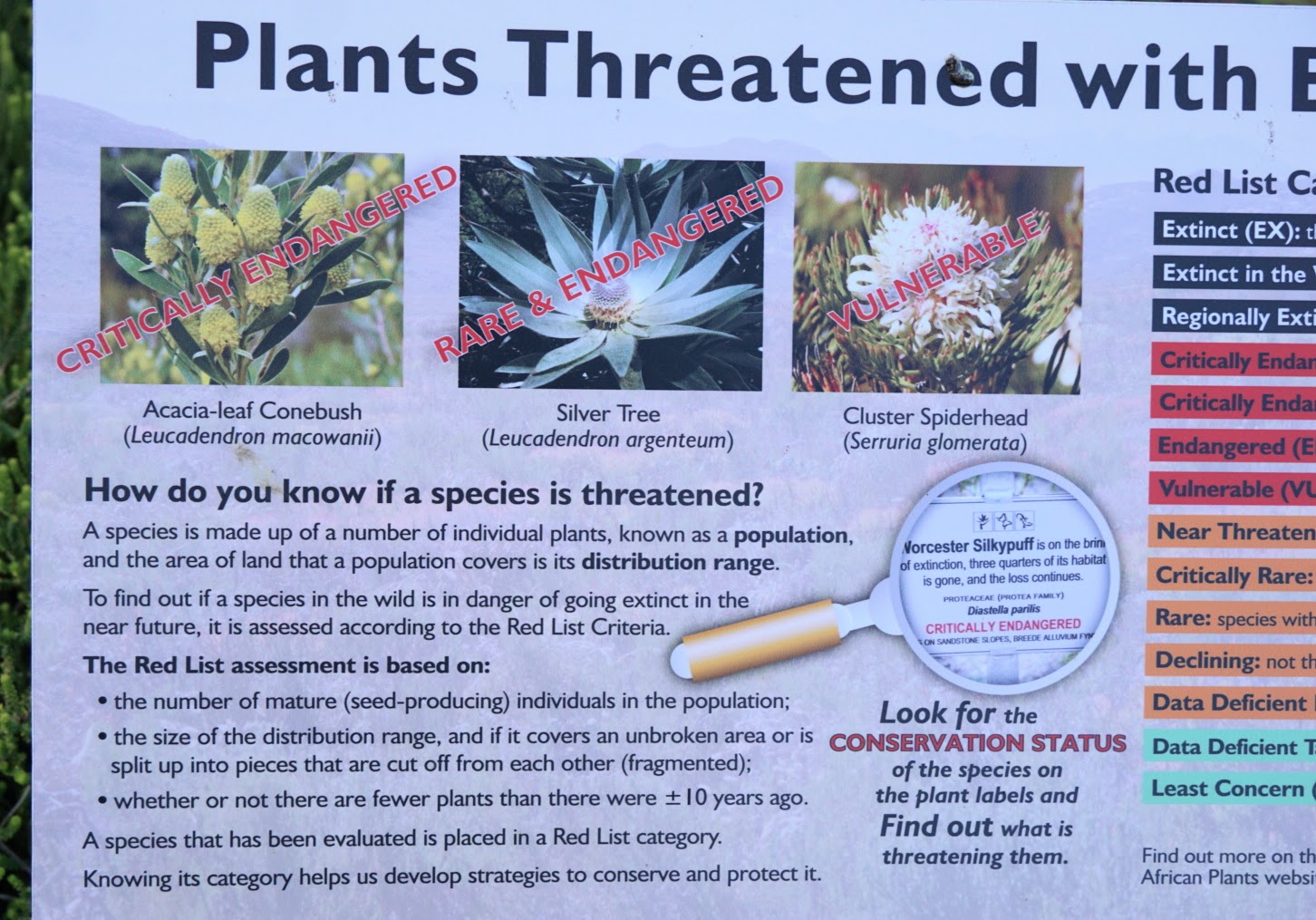
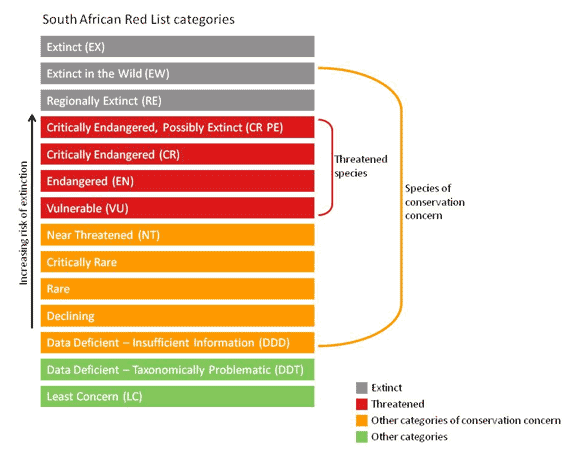
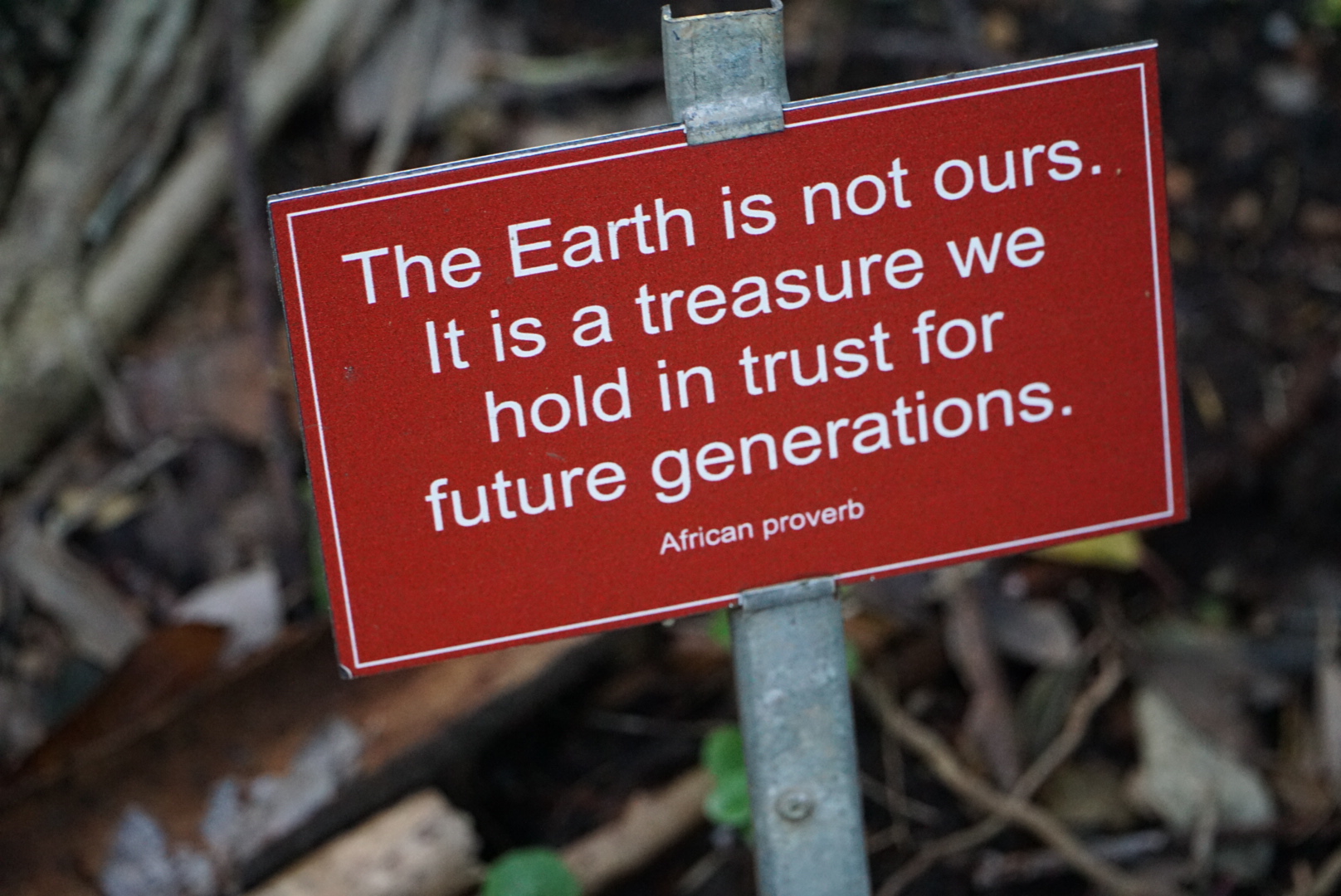
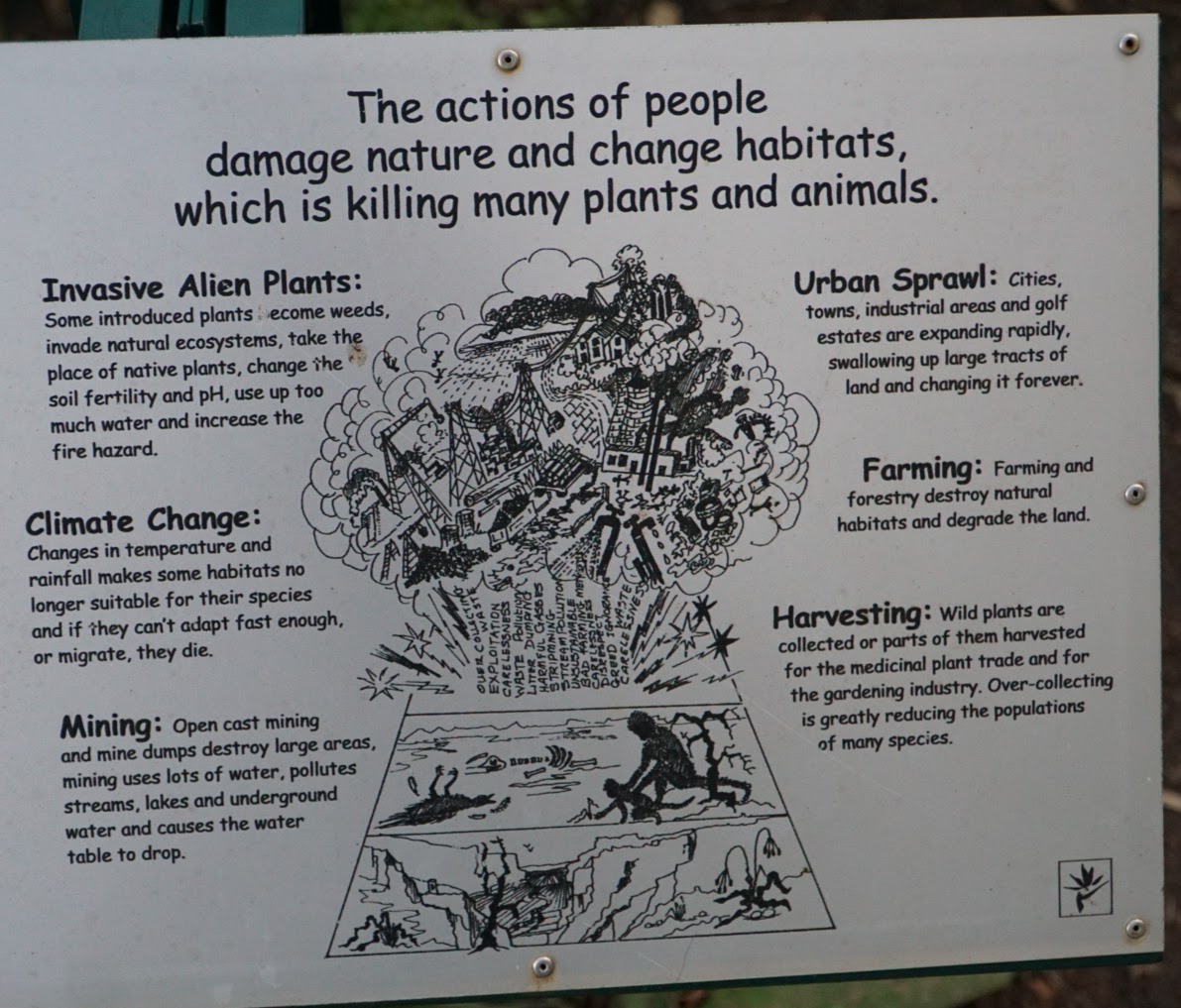
These signs were in The Extinction Garden
 South Africa Travel Grant
Leave a comment