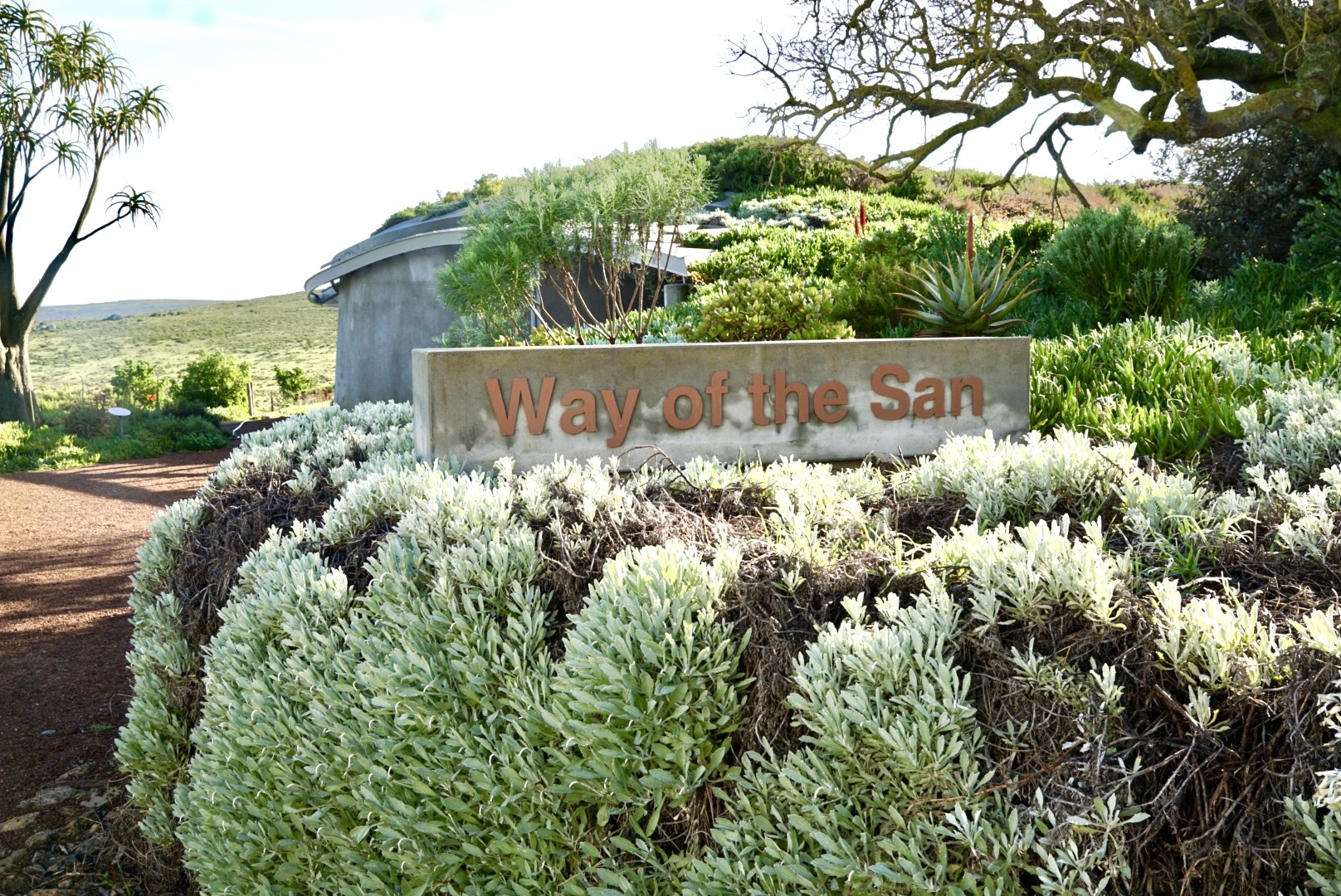
On our third day, we visited !Khwa ttu cultural center. The San culture is one of the oldest cultures on Earth. Their culture spans from Botswana, Namibia, Angola, and South Africa. 22,000 years ago, they were the largest group of humans on earth. They were hunter gatherers, but most San are no longer able to practice their traditional way of life due to bans on hunting. During our tour, we saw a video of a group of San in Namibia who still practice their traditional ways of hunting and gathering. The San people consist of different groups with similar but distinct languages. On our tour, our guides all came from different areas and spoke different dialects.
Our guide taught us about the different ways that the San use(d) natural resources to make tools and clothing. Some of the natural materials they used were animal hides, gourdes, and emu shells.
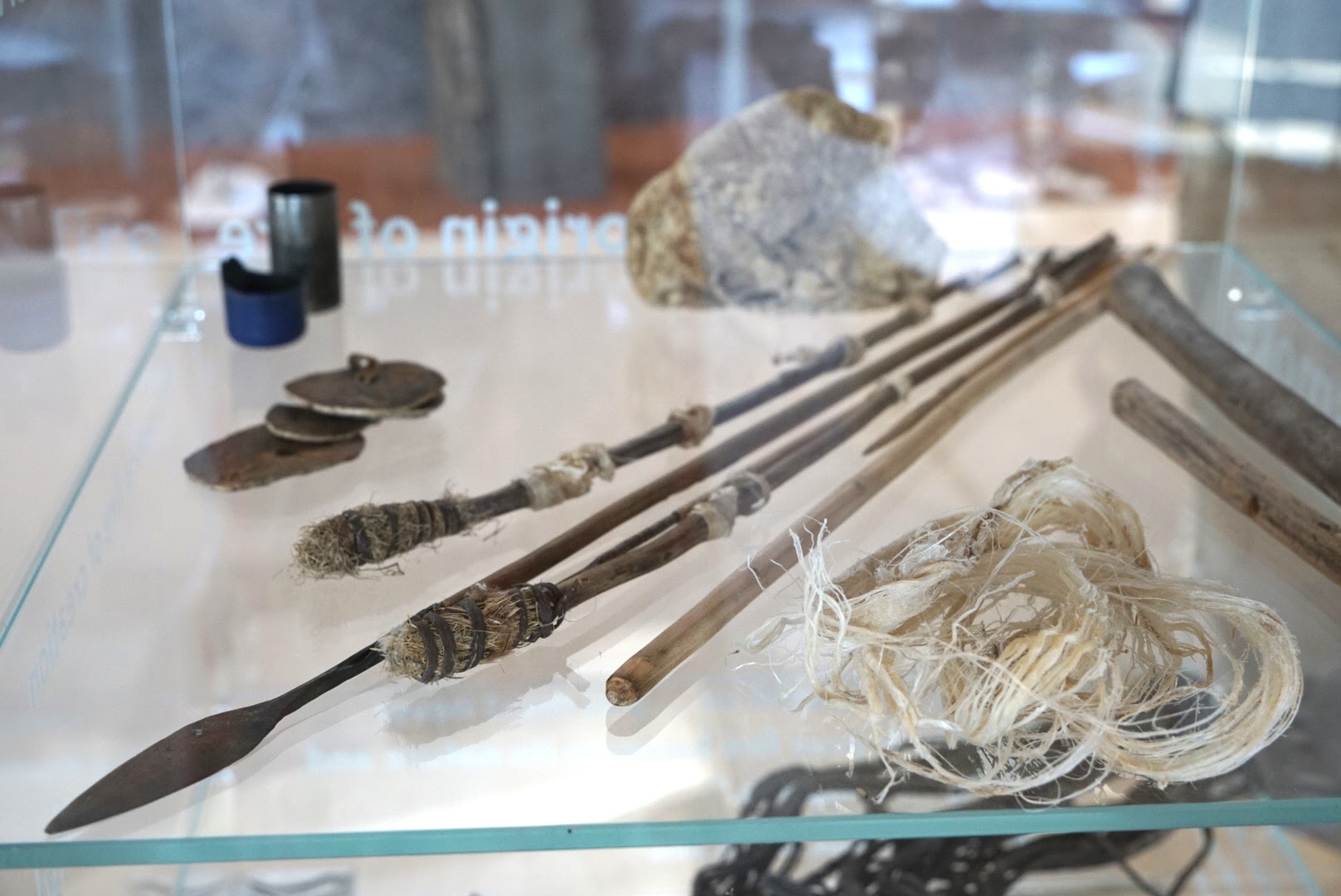
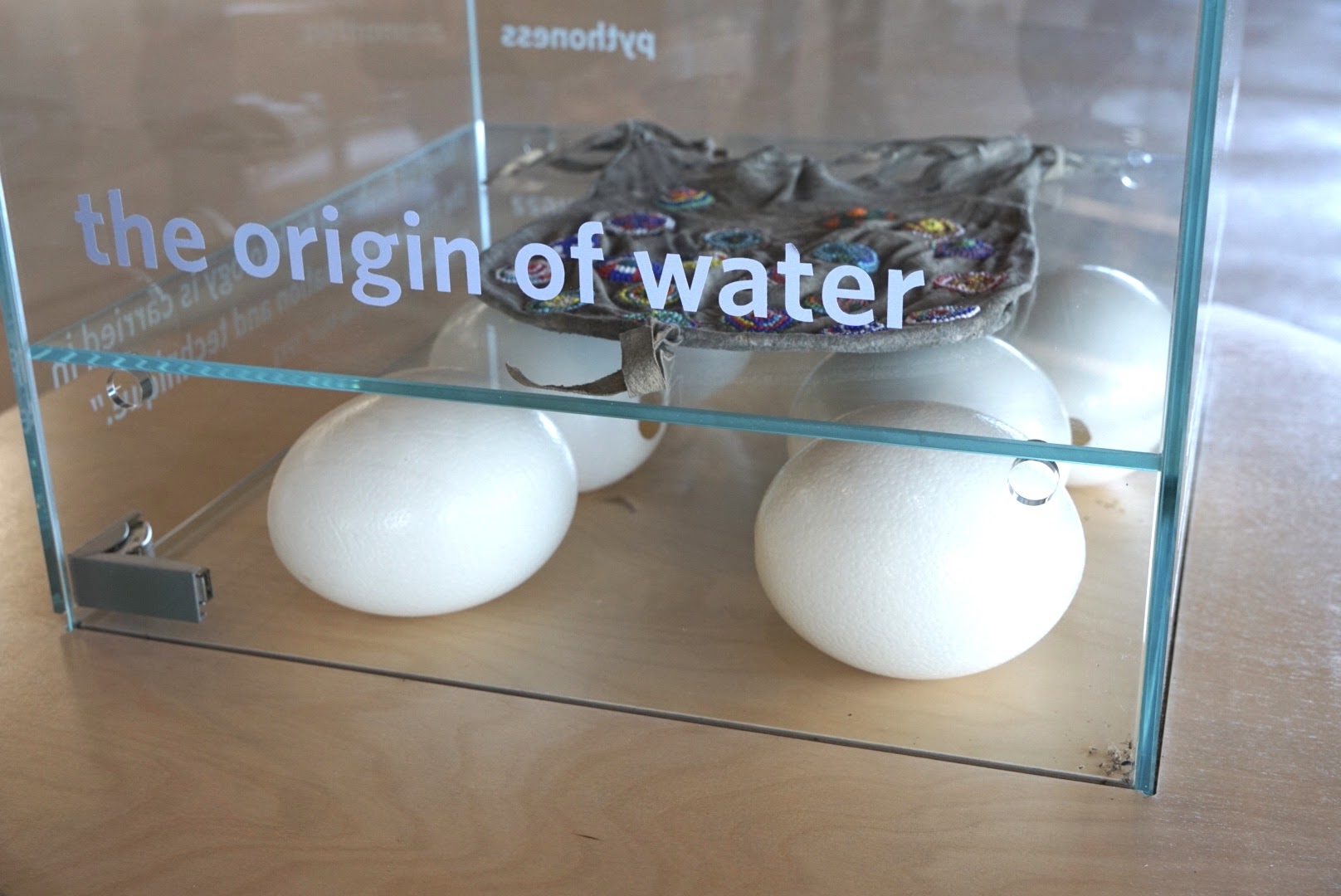
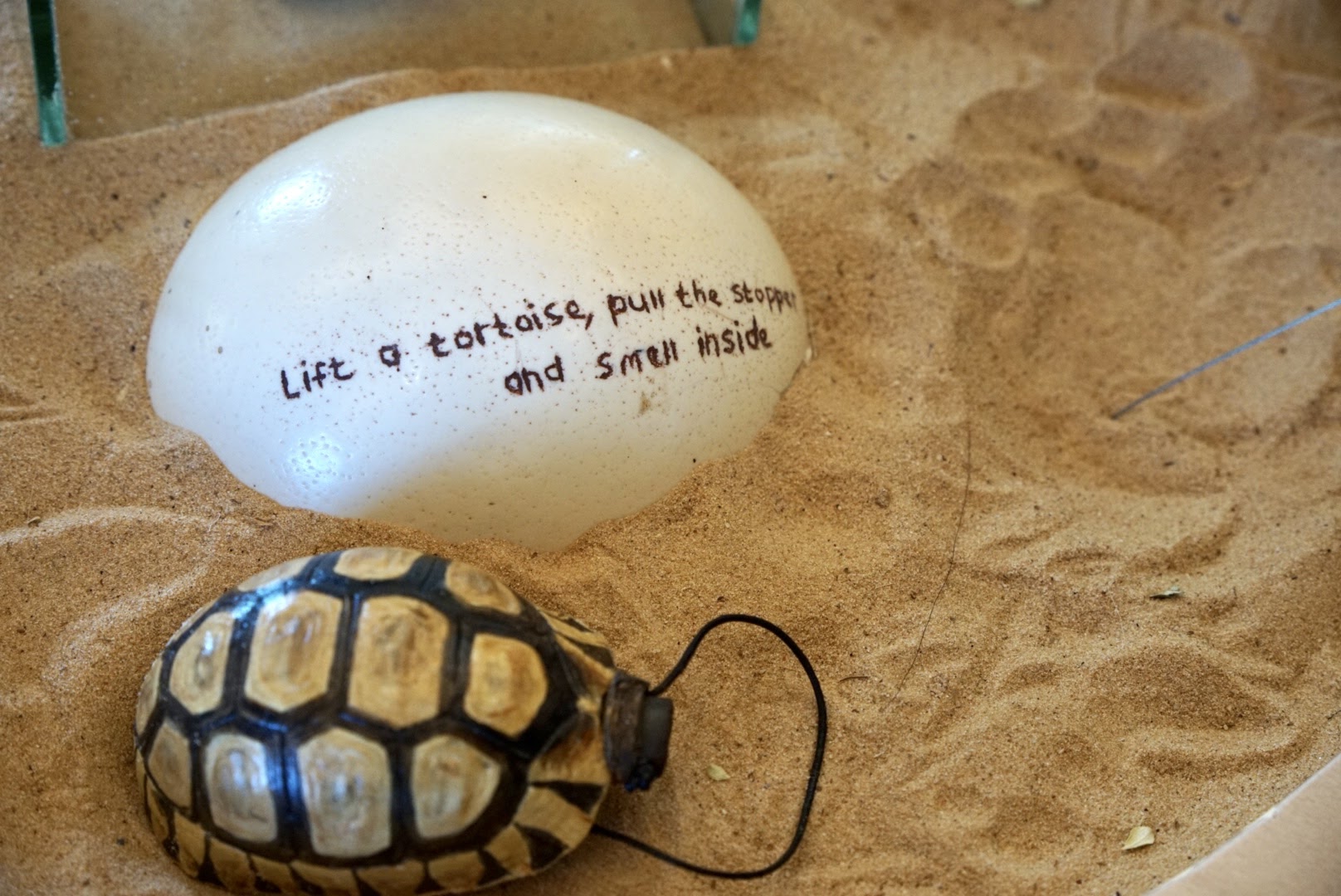
They use(d) emu shells to make carrier cases for water and also to make beads.
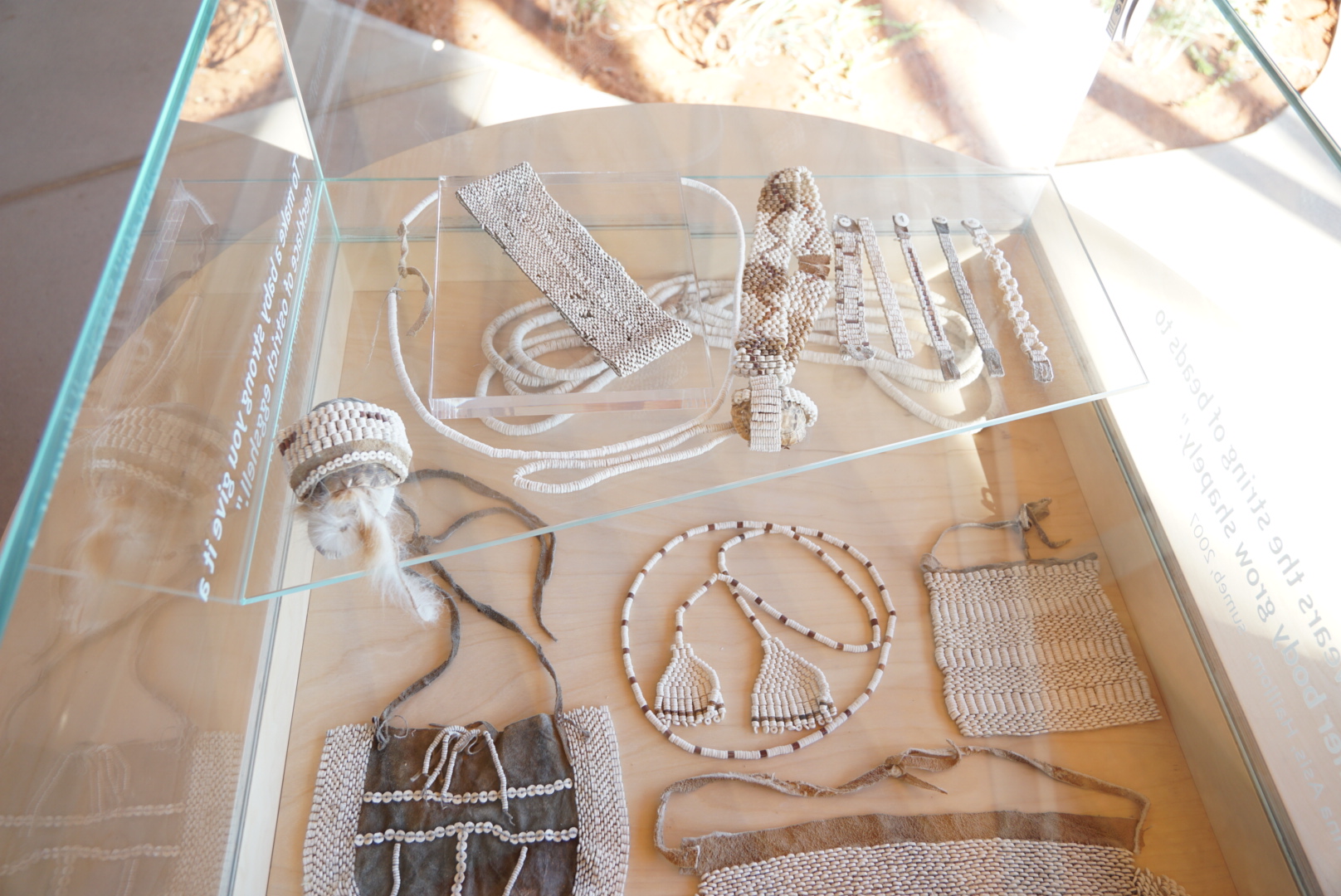
This is a turtle shell that was used to hold perfume made from a plant
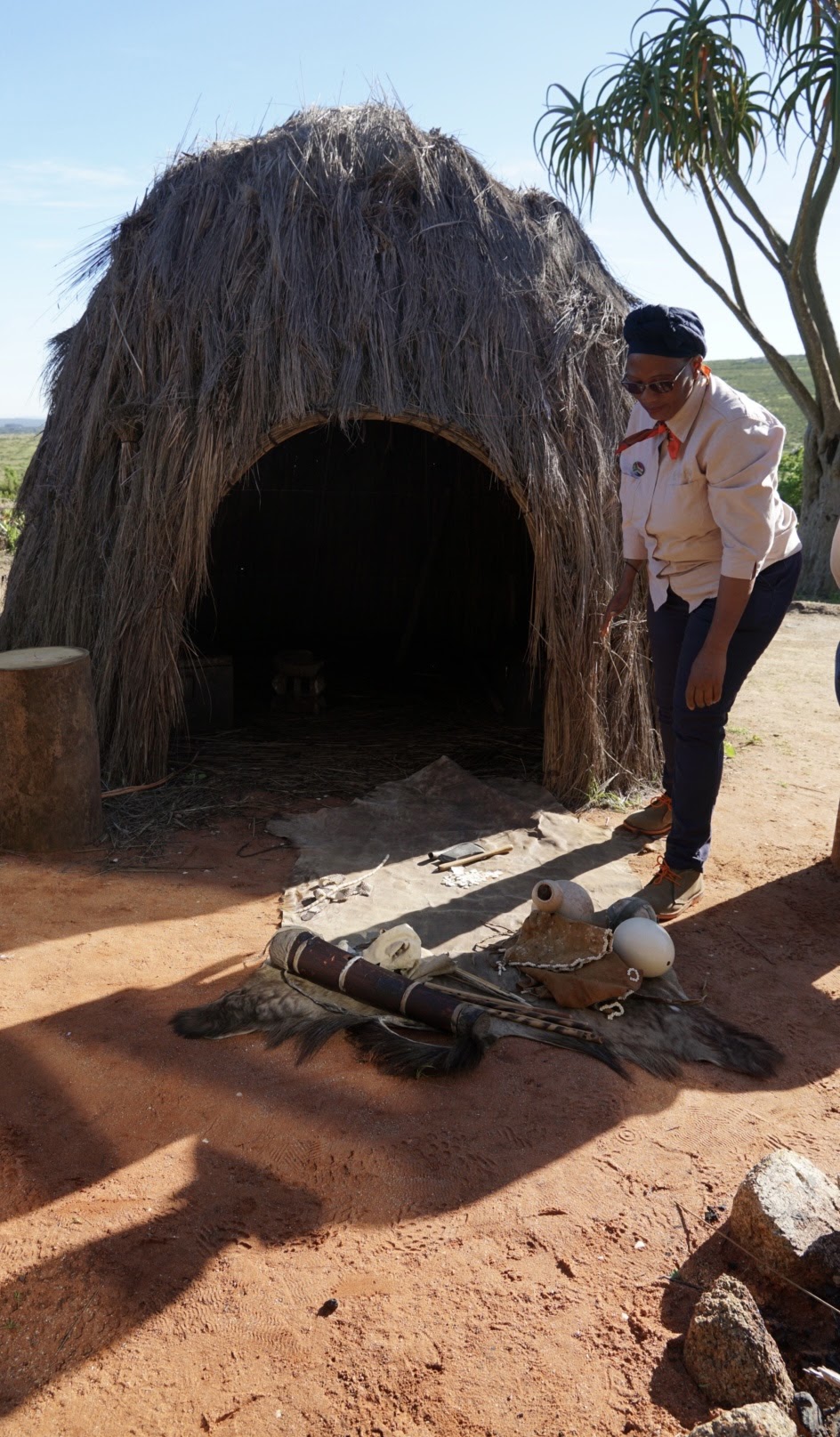
This exhibit featured some of the traditional homes made from grasses and we saw a demonstration of making beads from an emu shell.
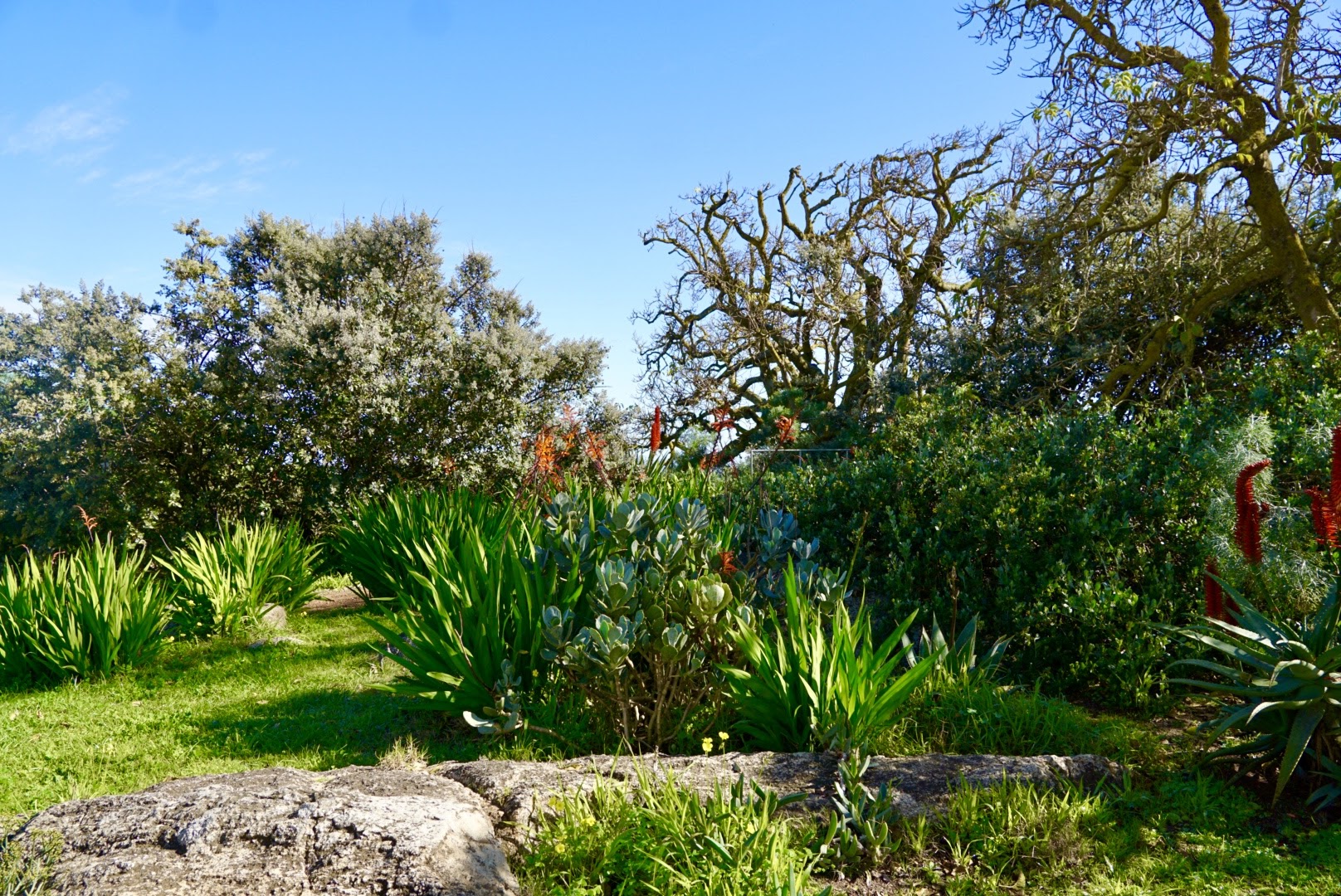
Our guide explained that when the Dutch and British came to the area, they cut down the native vegetation in order to farm and brought non-native plants to the area. The center has now reclaimed an area of land and are working to restore it to its natural state with only native vegetation.
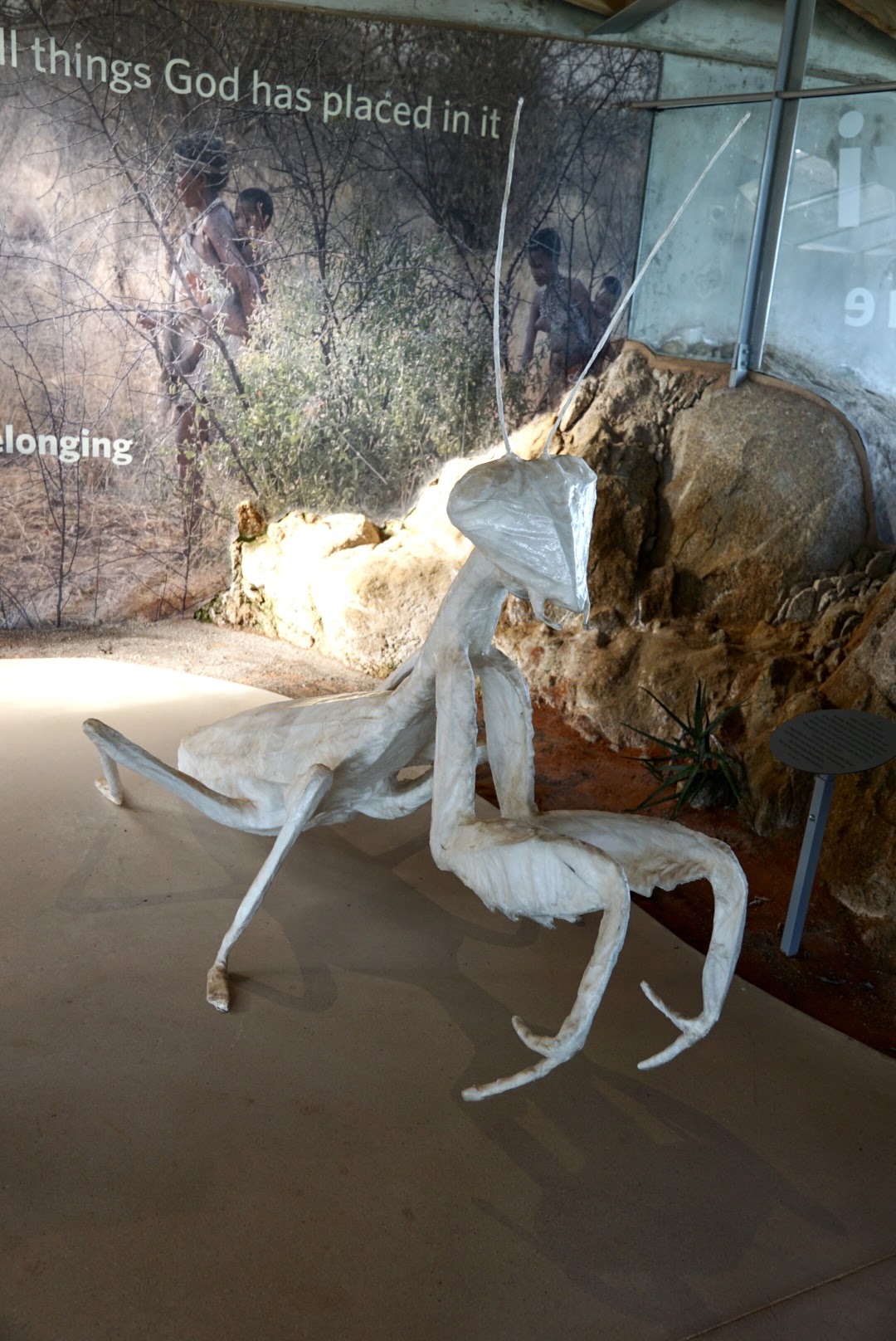
Our guide also explained that more large animals used to live in the area, but have moved further north due to lack of vegetation to support them in this part of the country. The eland and the praying mantis were particularly important to the San and they believed that the praying mantis had special healing powers, so they would never harm them.
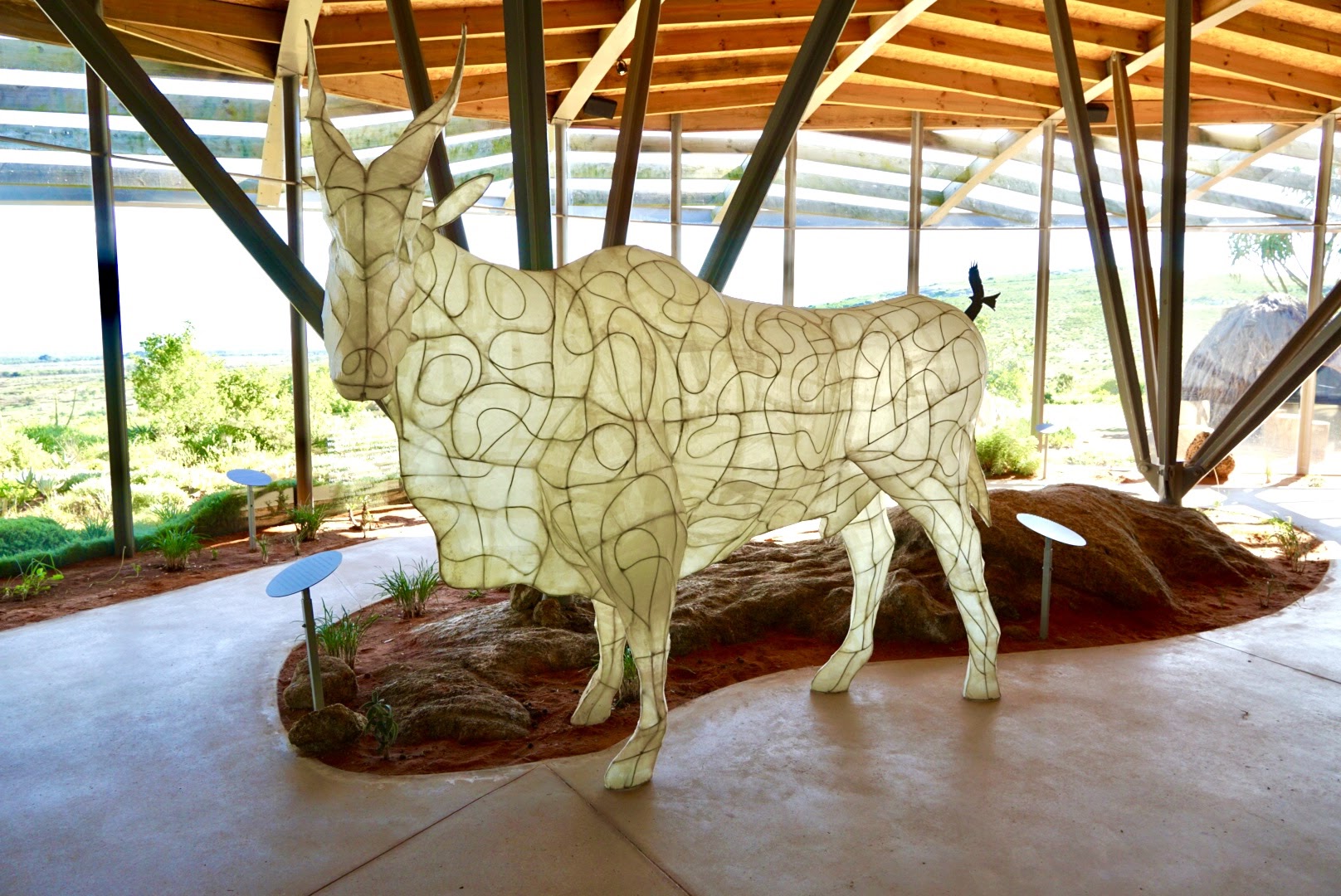
We learned how the San would track animals using their footprints and would gather food from the local vegetation. They walked in a straight line in order to avoid disturbing more of the nature around them than necessary and would always be sure to leave some fruit or bulbs behind to ensure that the plant would regrow. They would also let certain areas regrow before returning again to that area.
After our tour, we had a delicious lunch. Much of the food was grown or gathered at the center. The meal featured eland meat and a local fruit spread (unfortunately, I didn’t catch the name).
 South Africa Travel Grant
Leave a comment