Today, we went to Sancob-The South African Foundation for the Conservation of Coastal Birds. They are a “non-profit organization with the primary objective to reverse the decline of seabird populations through the rescue, rehabilitation and release of ill, injured, abandoned and oiled seabirds – especially endangered species like the African penguin.”
On our visit, the host showed us a section of penguins that are too ill or injured to be returned to the wild, and will remain there indefinitely. We came in time to see them get their lunch. They eat about 10 sardines a day and the staff sprinkle them with vitamins.
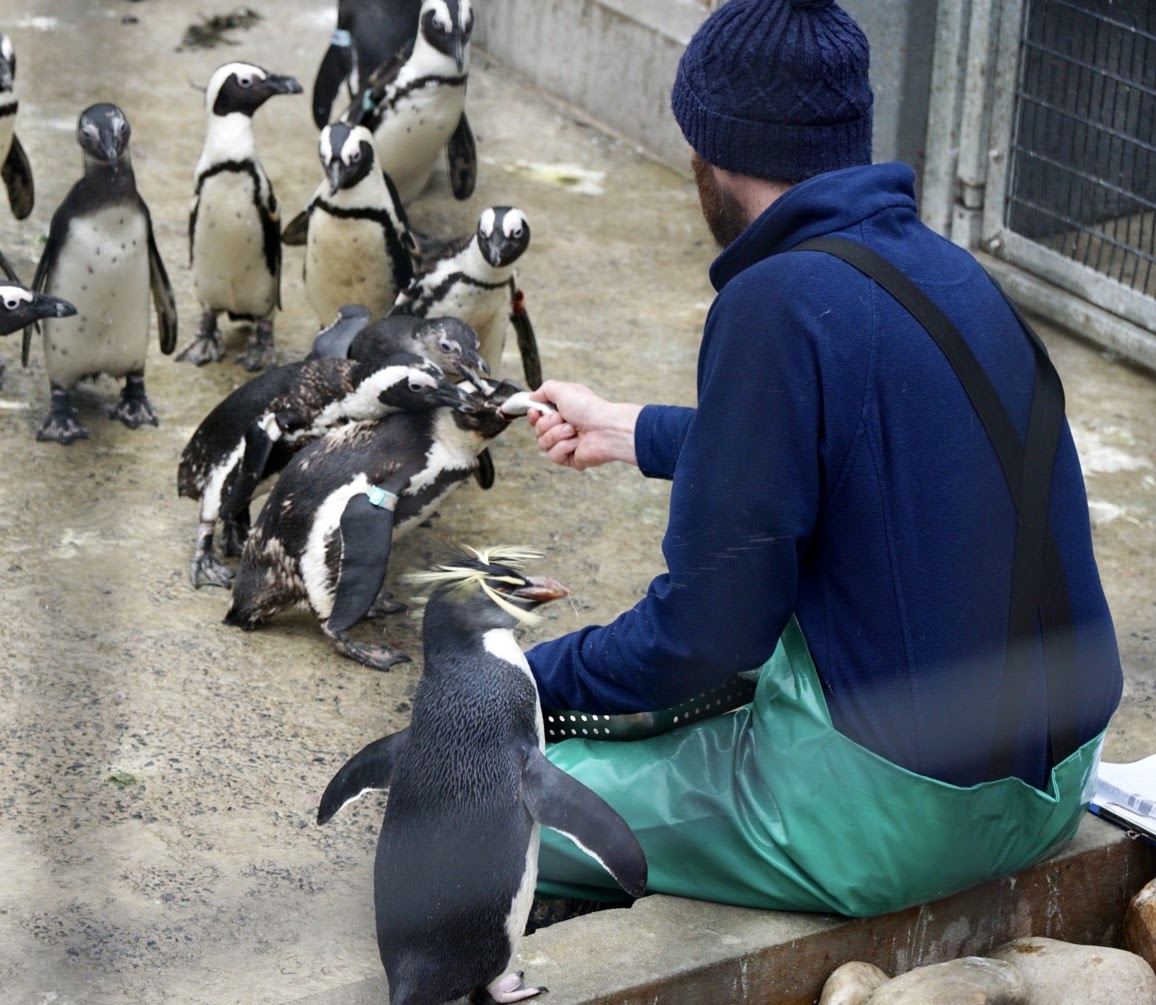
The penguin in front with the yellow feathers is a rockhopper and the others are Cape Penguins or South African Penguins.
We then went to another section of the sanctuary that is dedicated to the younger penguins, or “blues” because of the color of their feathers. This particular batch of penguins came from eggs that were rescued after a large rainstorm that caused flooding. The hope is to release them into the wild when they are ready.
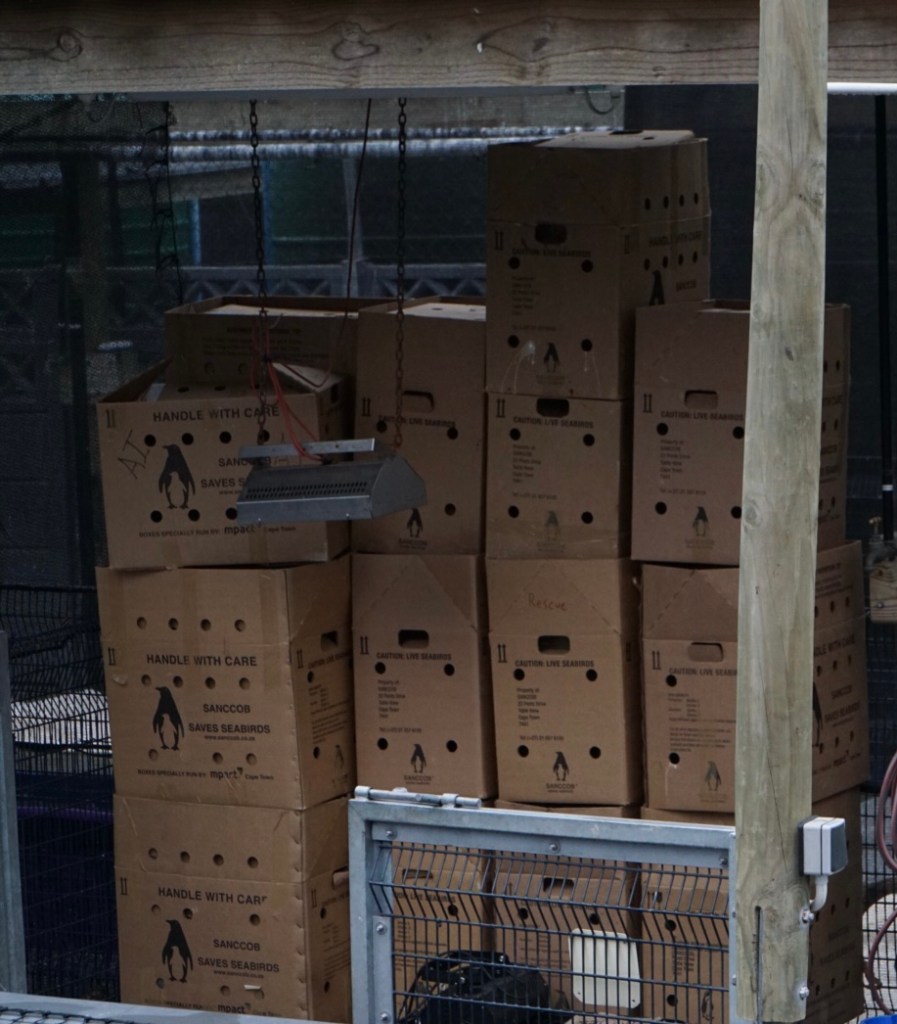
They will be transported to the wild in these big boxes
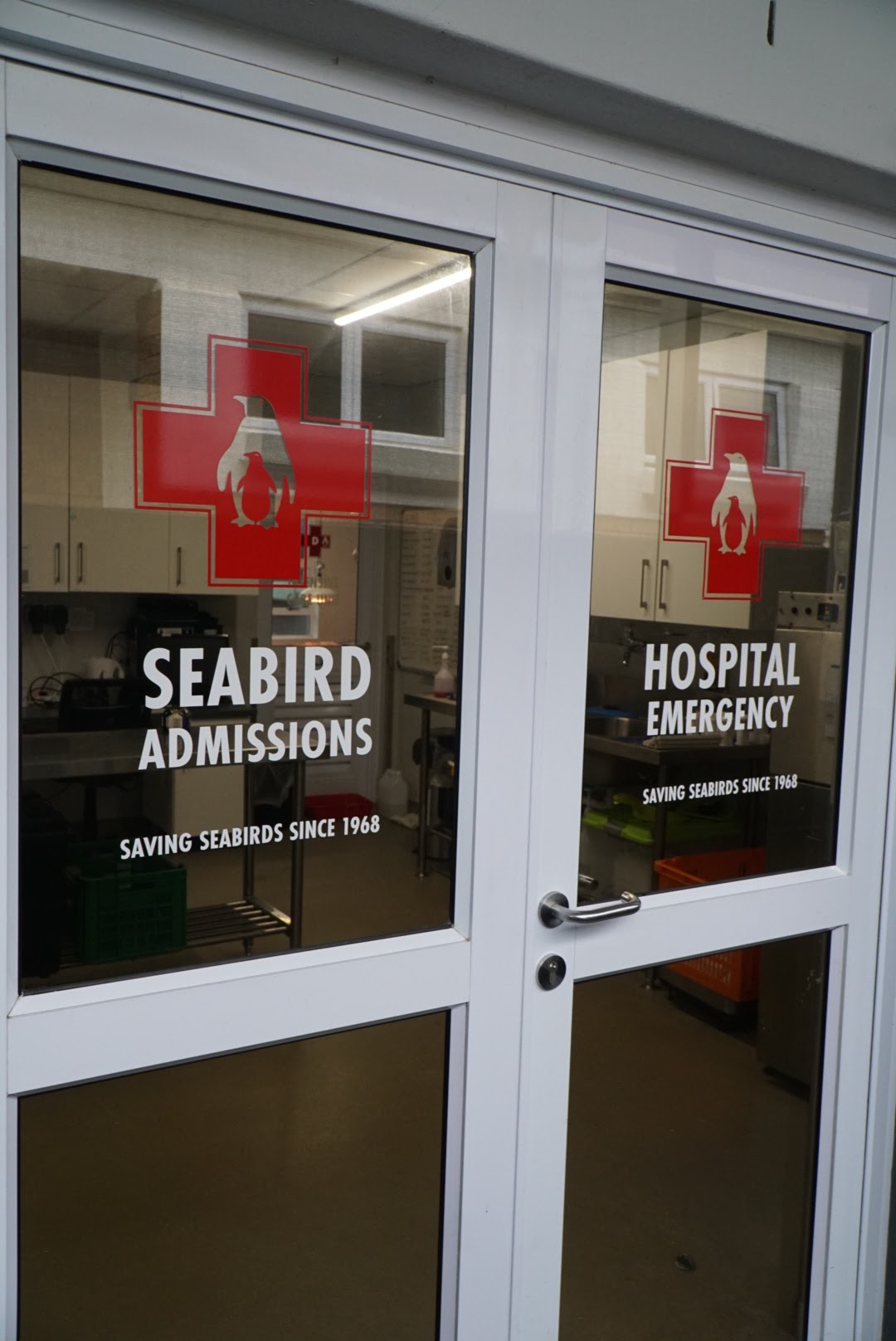
The center also has an operating room and a recovery room for when birds require treatment.
They keep a record of the birds they take in each year and label them by number. They have taken in about 400 birds this year and average around 2,000 birds a year. Currently, they have 300 birds at the center. While they focus on penguins, they have other species of coastal birds as well.
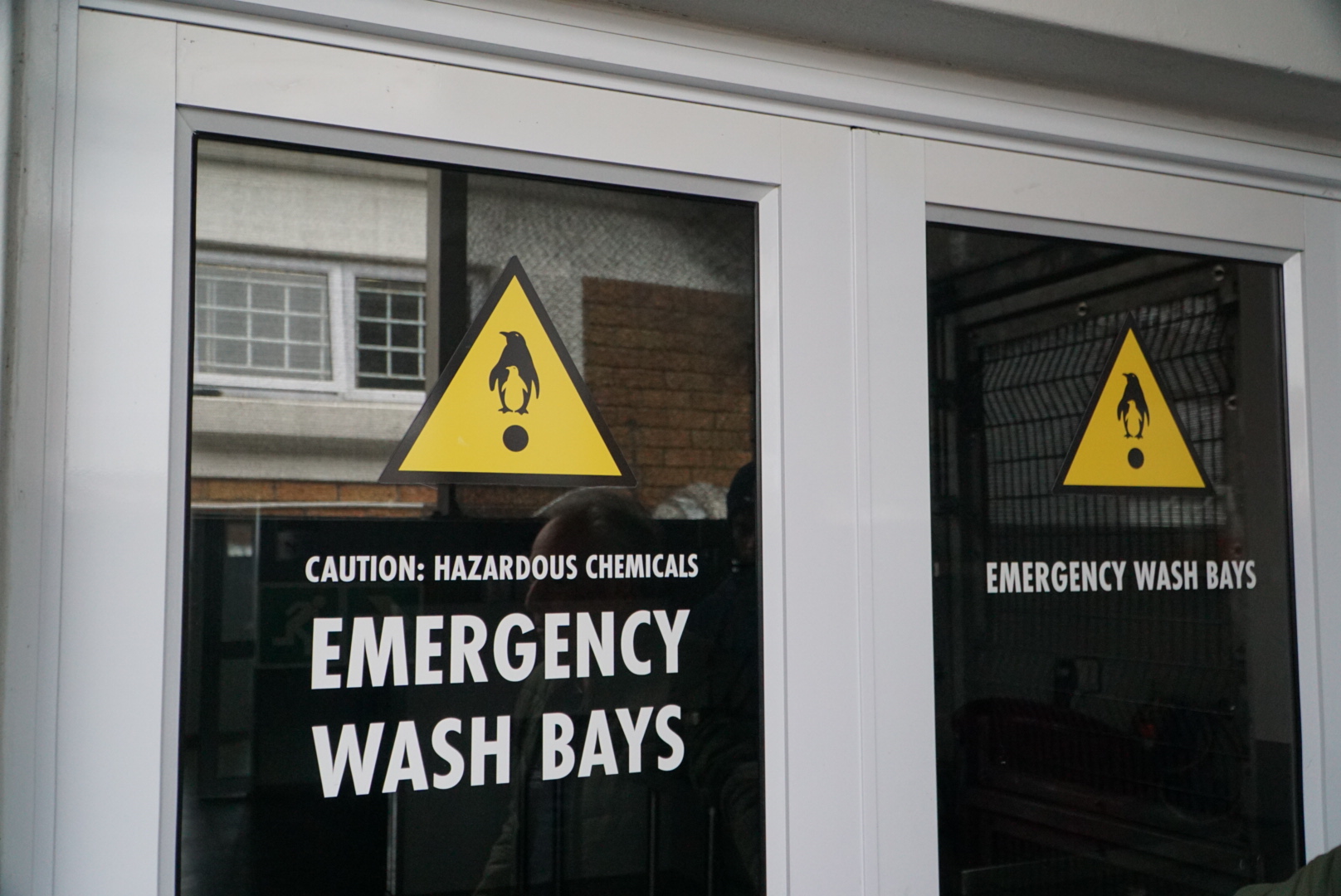
They have an emergency wash bay for oil spills, but luckily have not had to use it recently. The center was founded in 1968 by Althea Westphal who set up a temporary station in her house to treat birds caught in oil spills and the center has expanded since then to two locations in South Africa. A new once is being contracted as well.
In order to remove the oil, one person holds the bird, while another uses a toothbrush to clean them. Penguin’s feathers are very delicate and if they are damaged, they cannot swim, which is why oil on their feathers can be so dangerous.
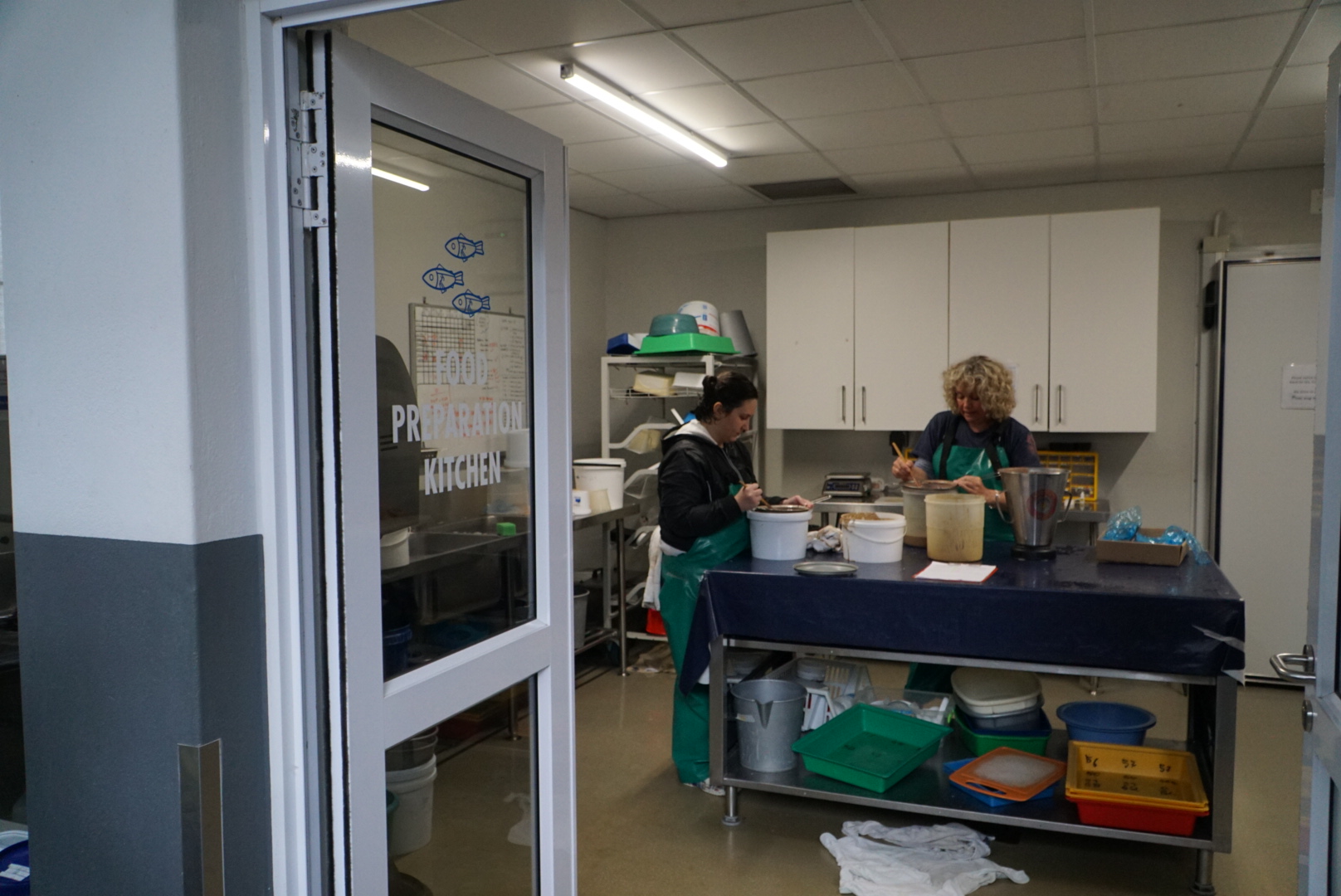
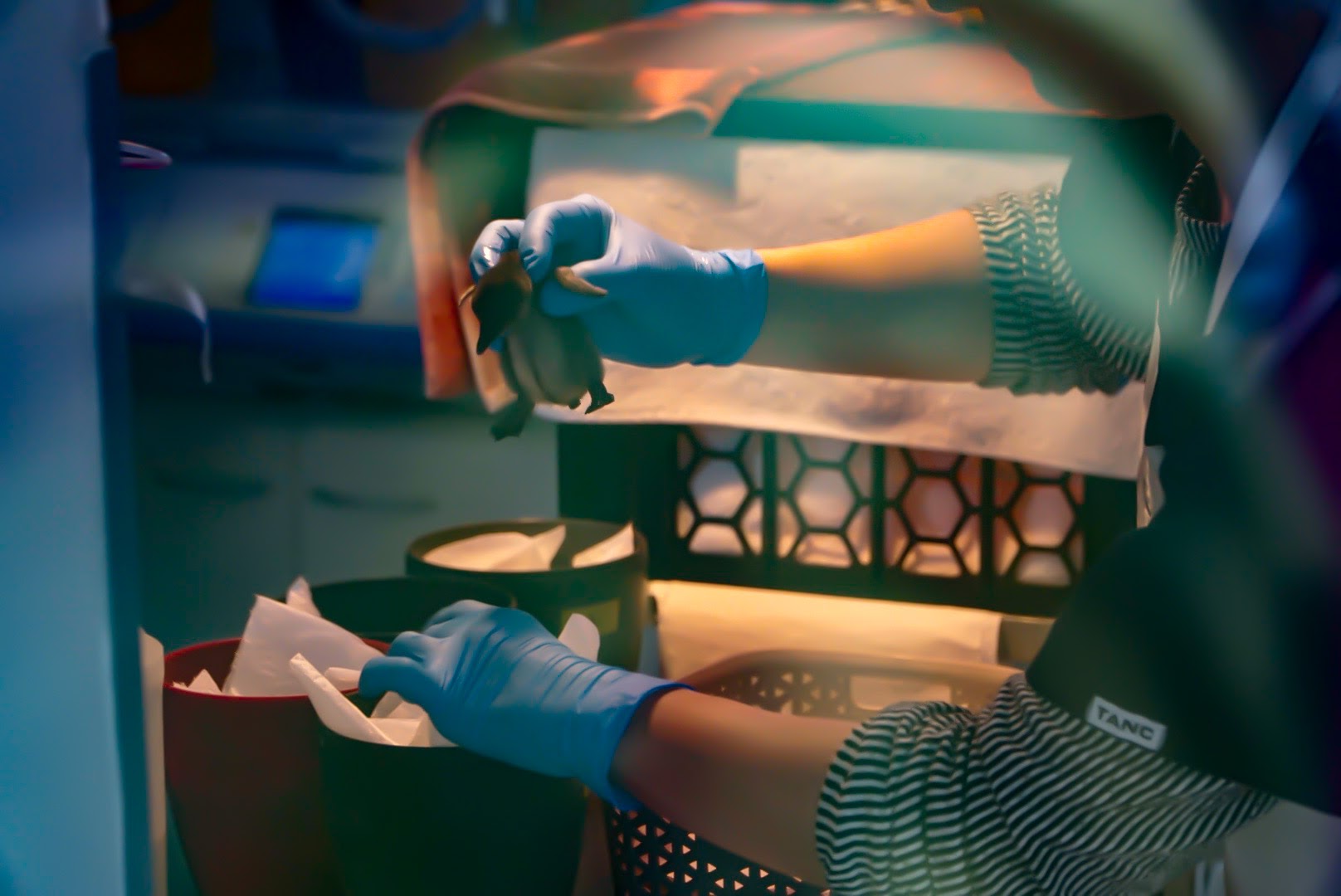
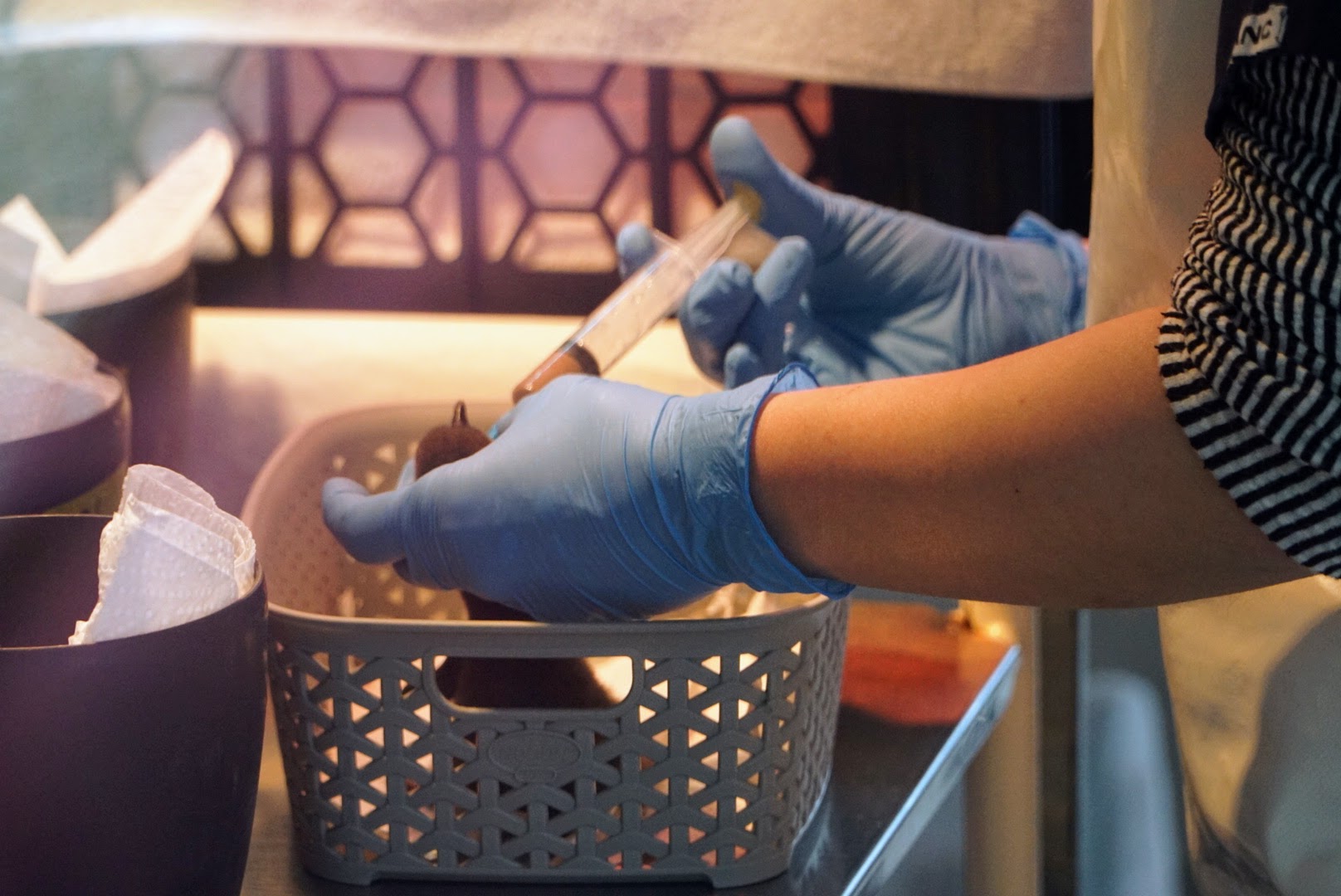
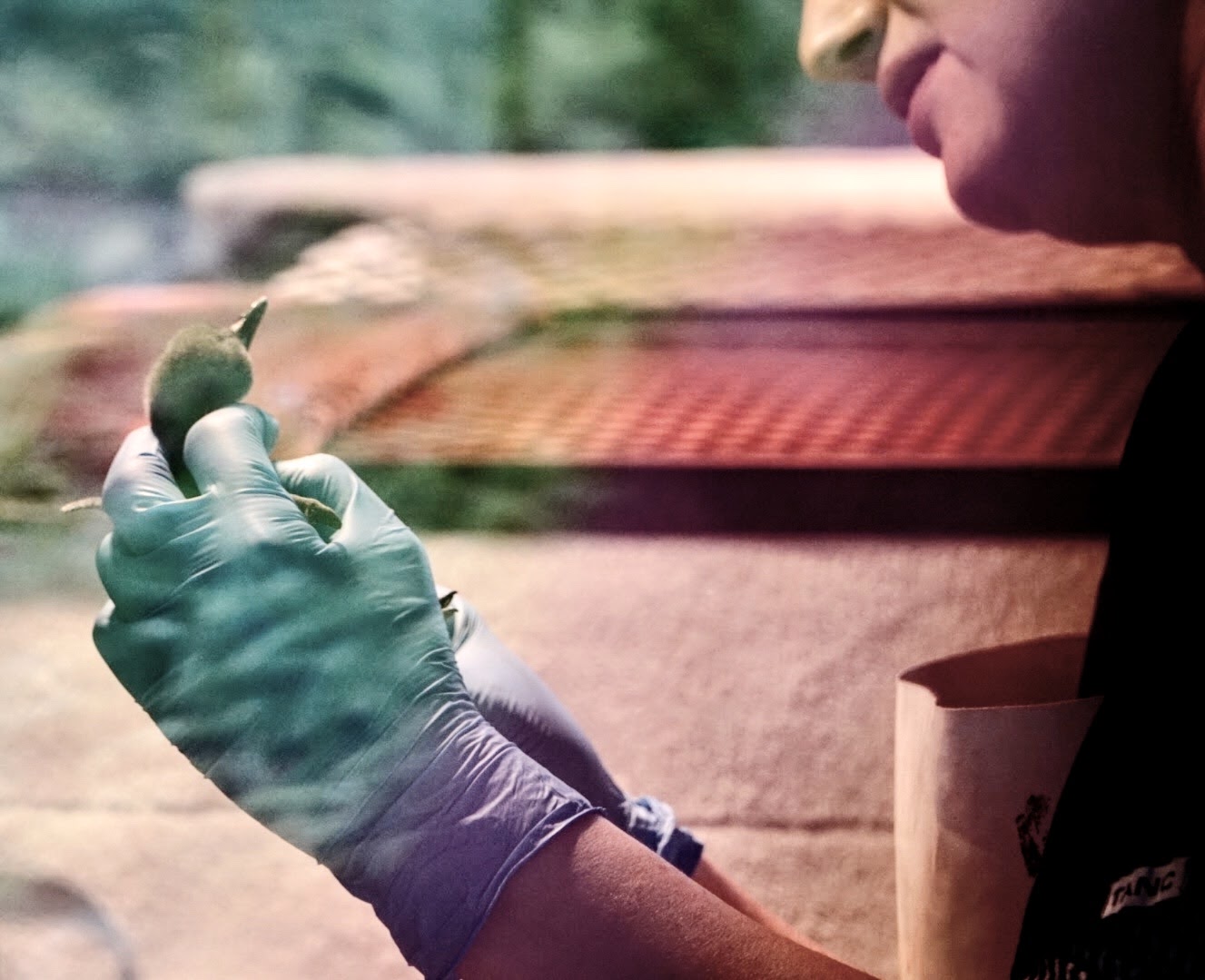
The center has a special area for eggs and chicks. The eggs are in incubators and the chicks are kept in flower pots with paper towels in an incubator. They are fed via syringe. We saw workers mixing the sardine mush and we got to see the chicks being fed. It was through glass, so it was hard to get a clear shot.
I learned about Sancob after watching Penguin Town on Netflix, if you want o learn more about Simon’s Town.
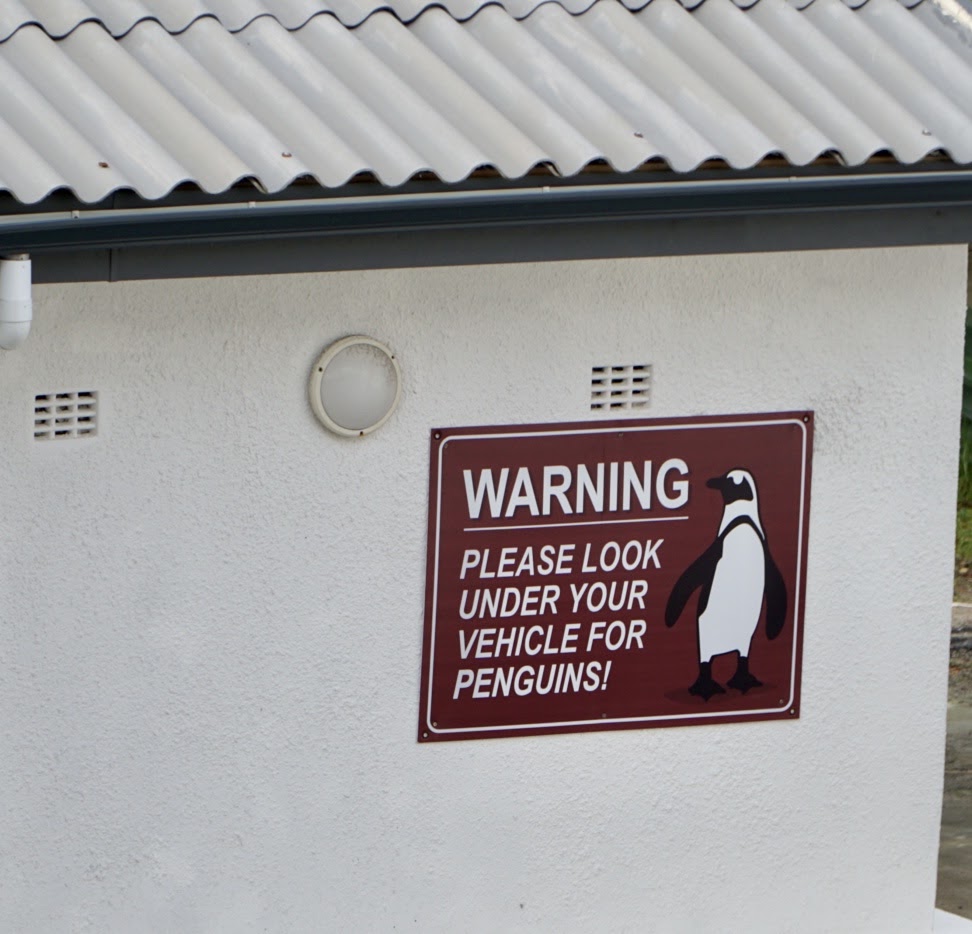
After Sancob, we went to Simon’s Town. The penguins are so numerous in this area because it is closed to commercial fishing, making the food supply for the penguins plentiful. However, they are still under threat due to competition for breeding sites and trying to nest in unsafe environments that are subject to threats from predators and the weather. Climate change has also decreased the number of fish for them to eat. In 1982, there were only two breeding pairs of penguins left, but thanks to places like Sancob and the Boulder’s Beach area in Simon’s town, the colony has grown to about 3,000 birds. Tourism helps to support the birds when you pay a conservation fee to visit the area.
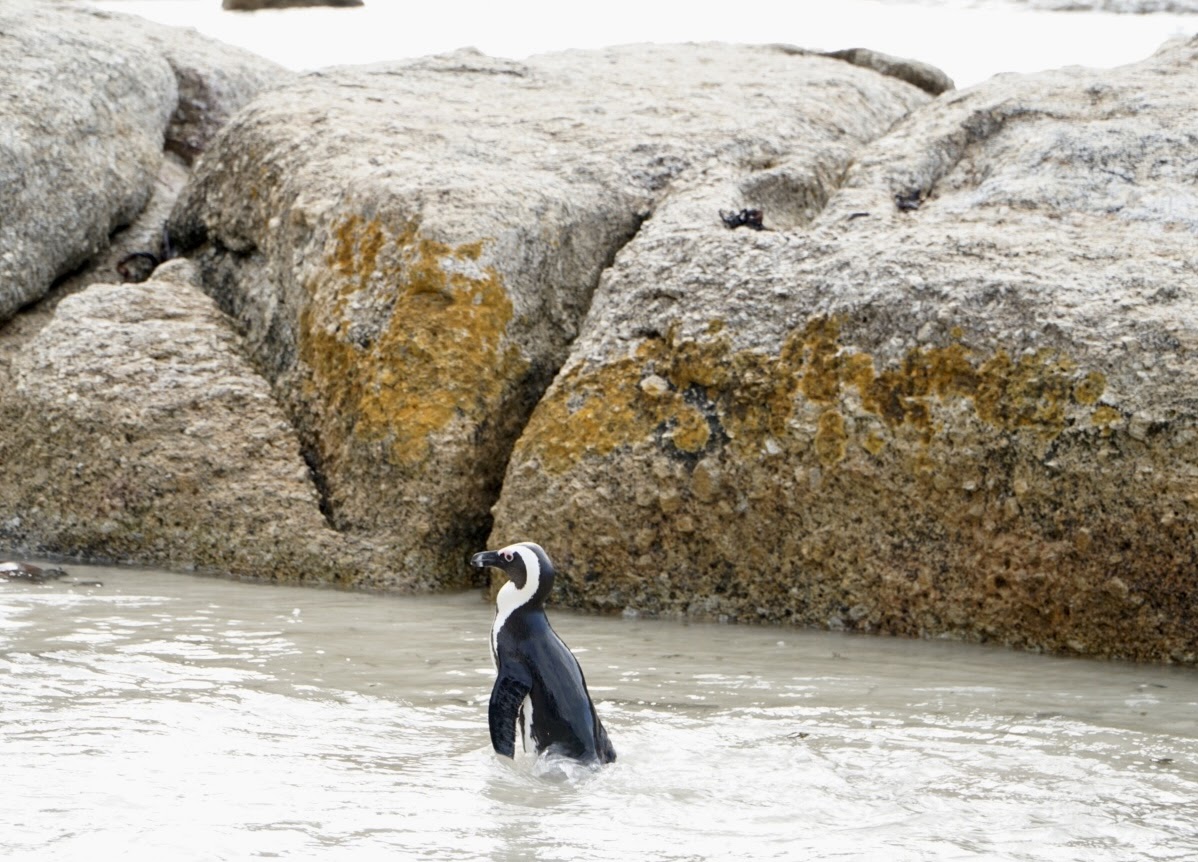
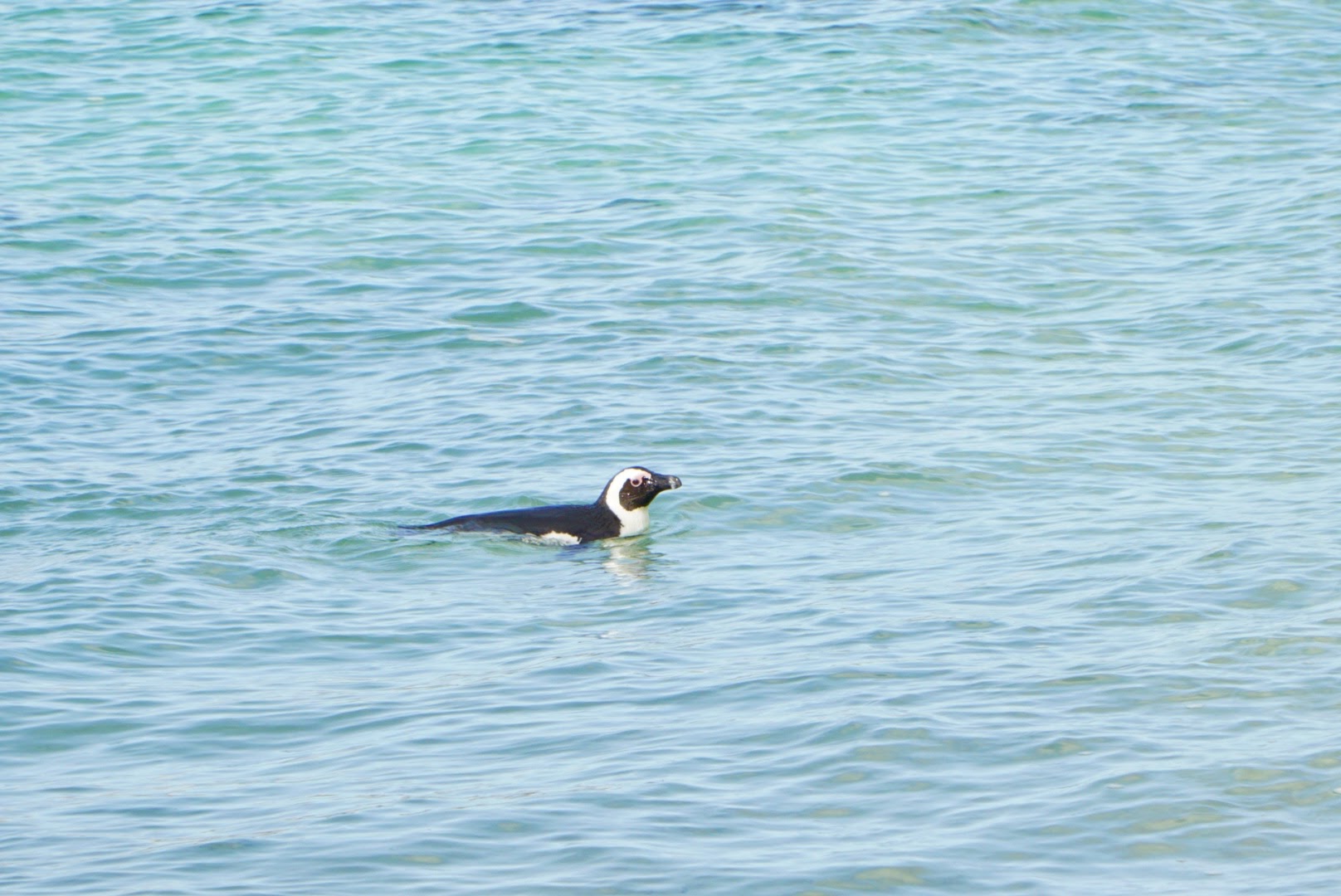
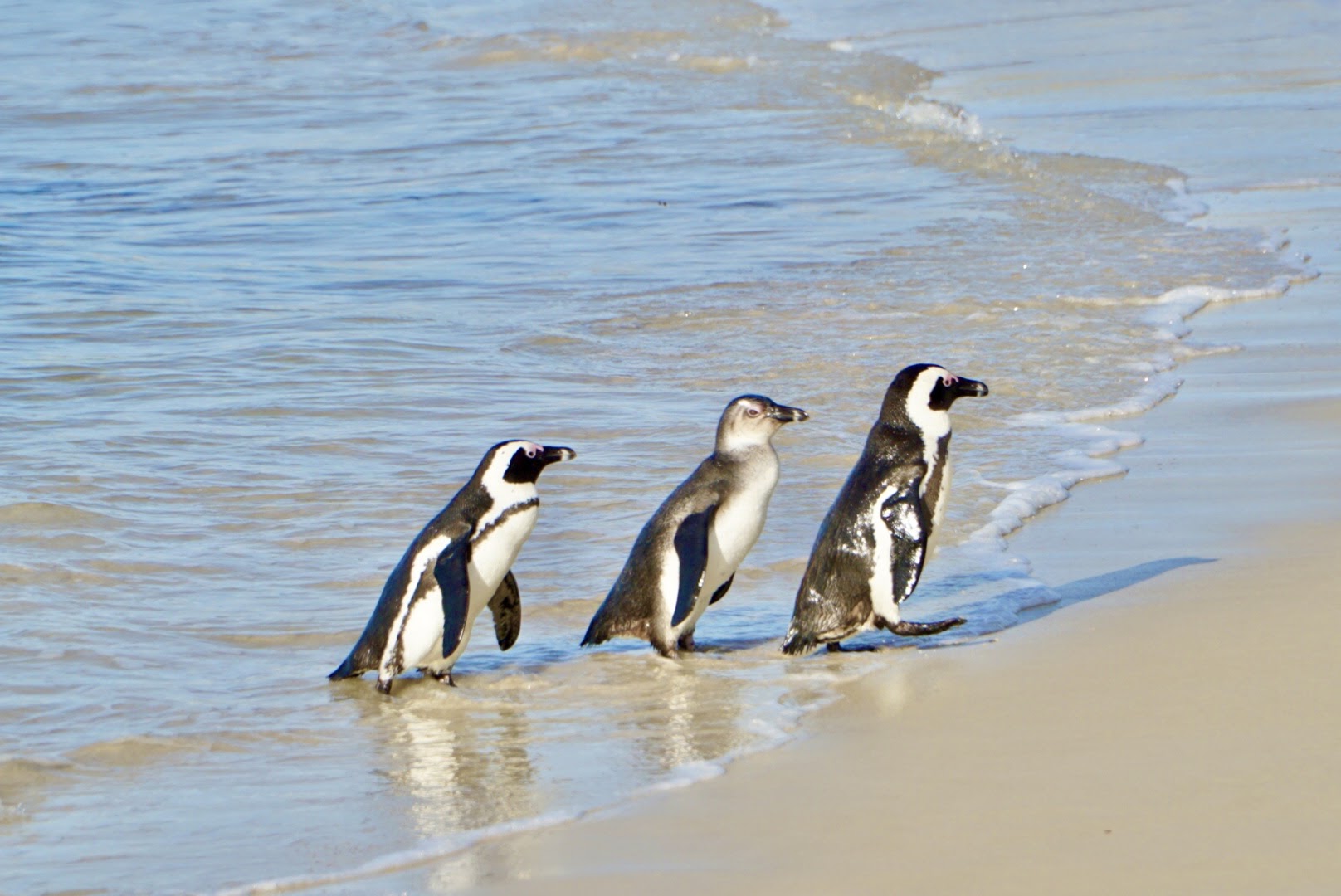
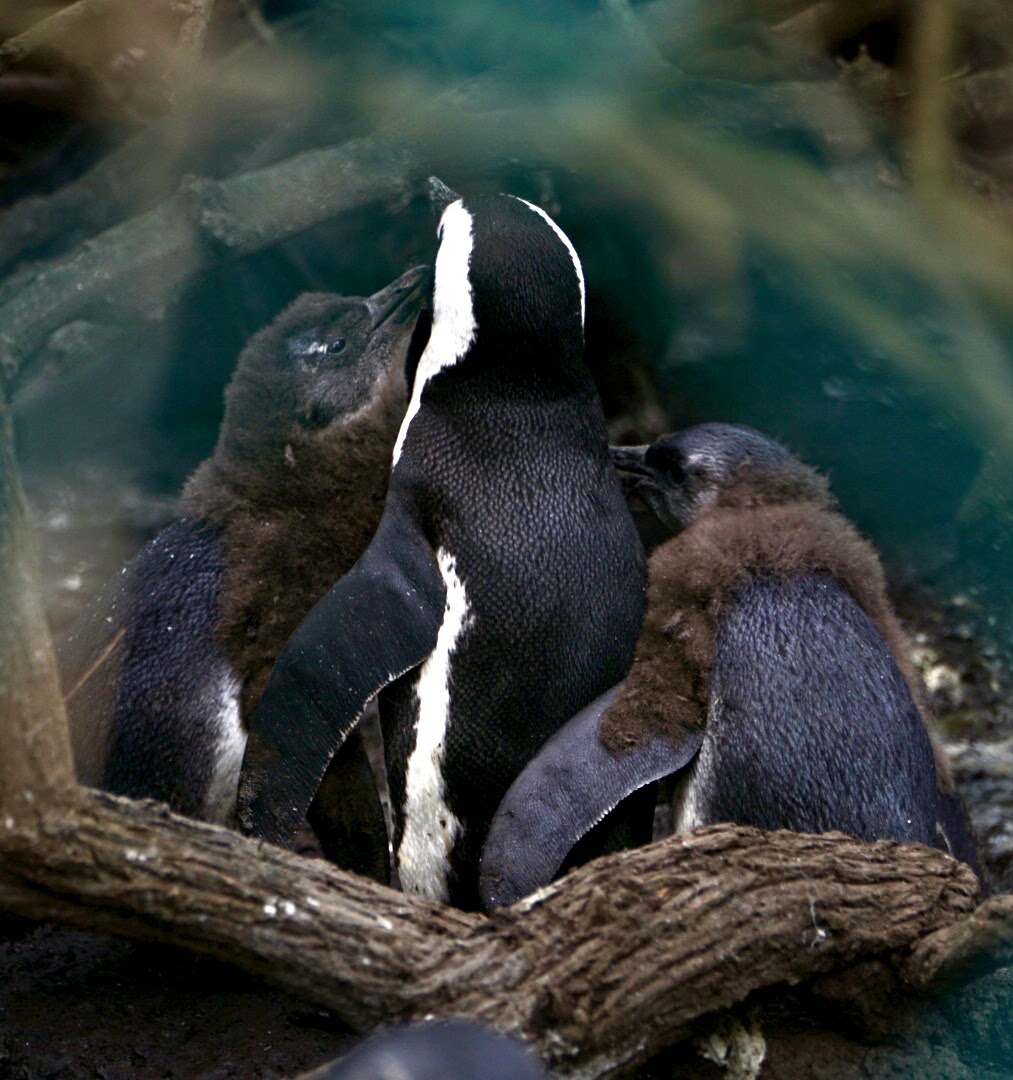
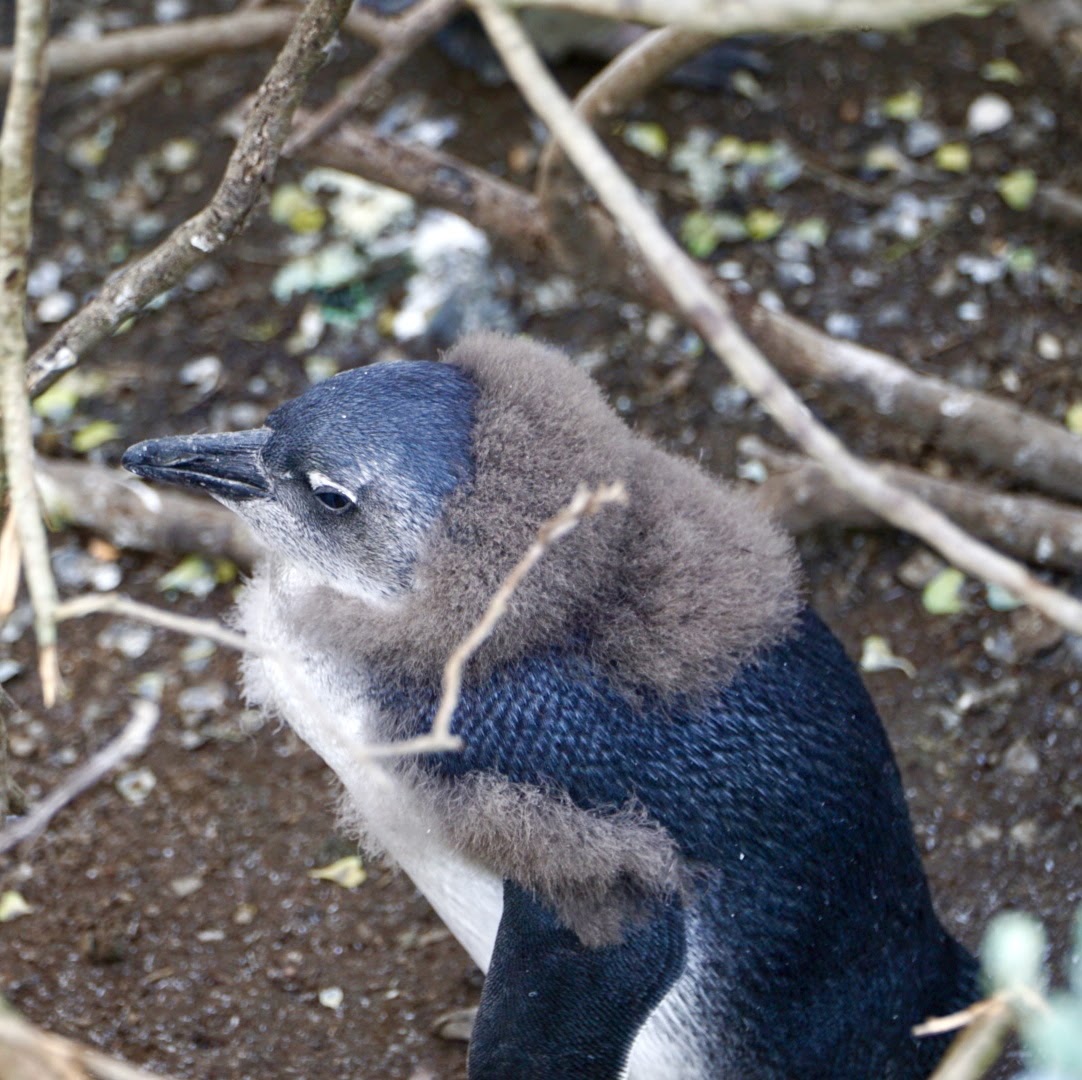
African penguins breed throughout the year, but peak season is March to May. When we went, we saw lots of birds in various stages of molting. When they have the fluff, that is their molt. Once they finish molting, they have a blue sheen, and when they are full-grown adults, they have the black and white color.
A family with baby in the middle
Most of the penguins were not on the beach, but were in the bramble along the board walk.
This bird has finished its molt.
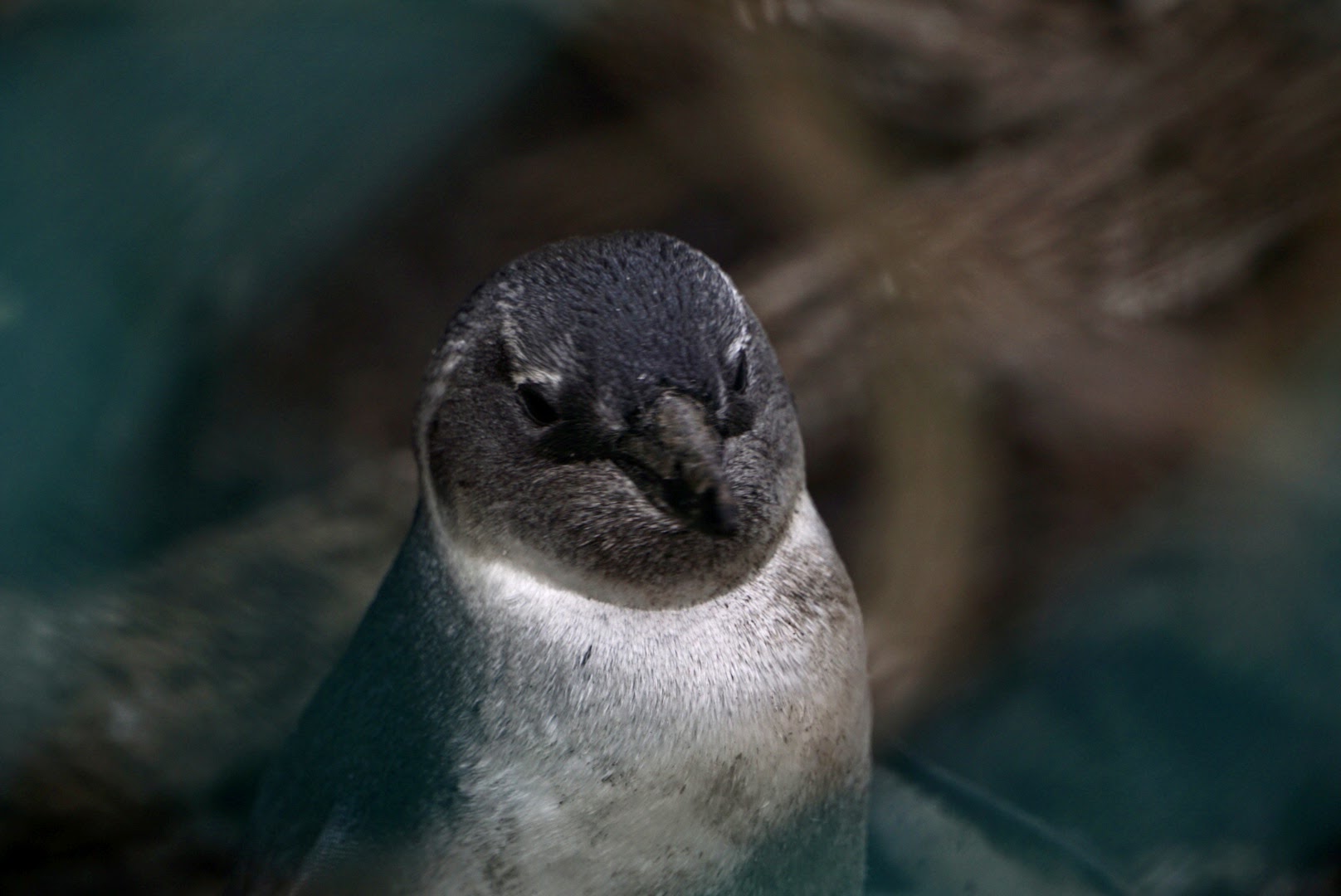
This one is still in the process of molting
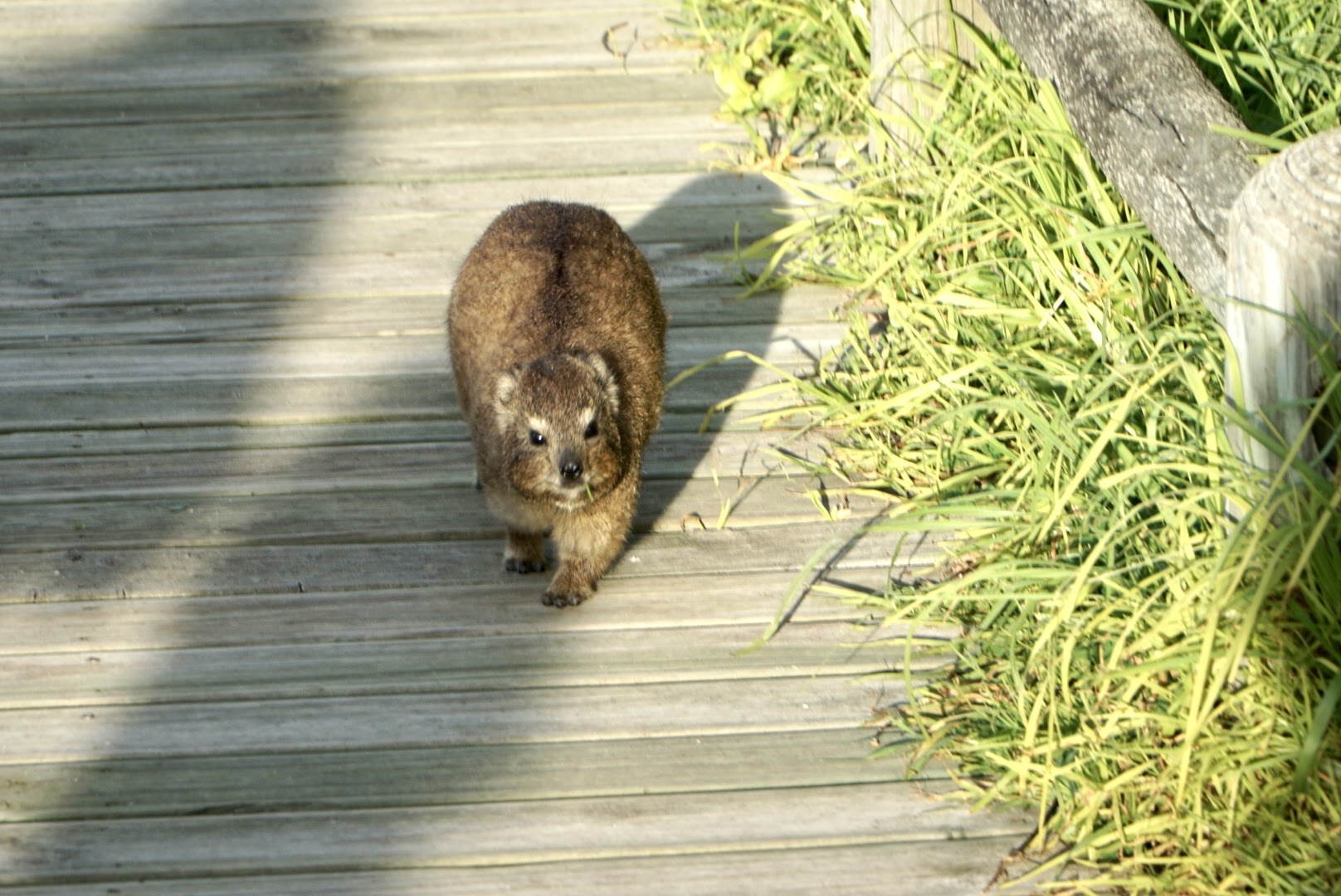
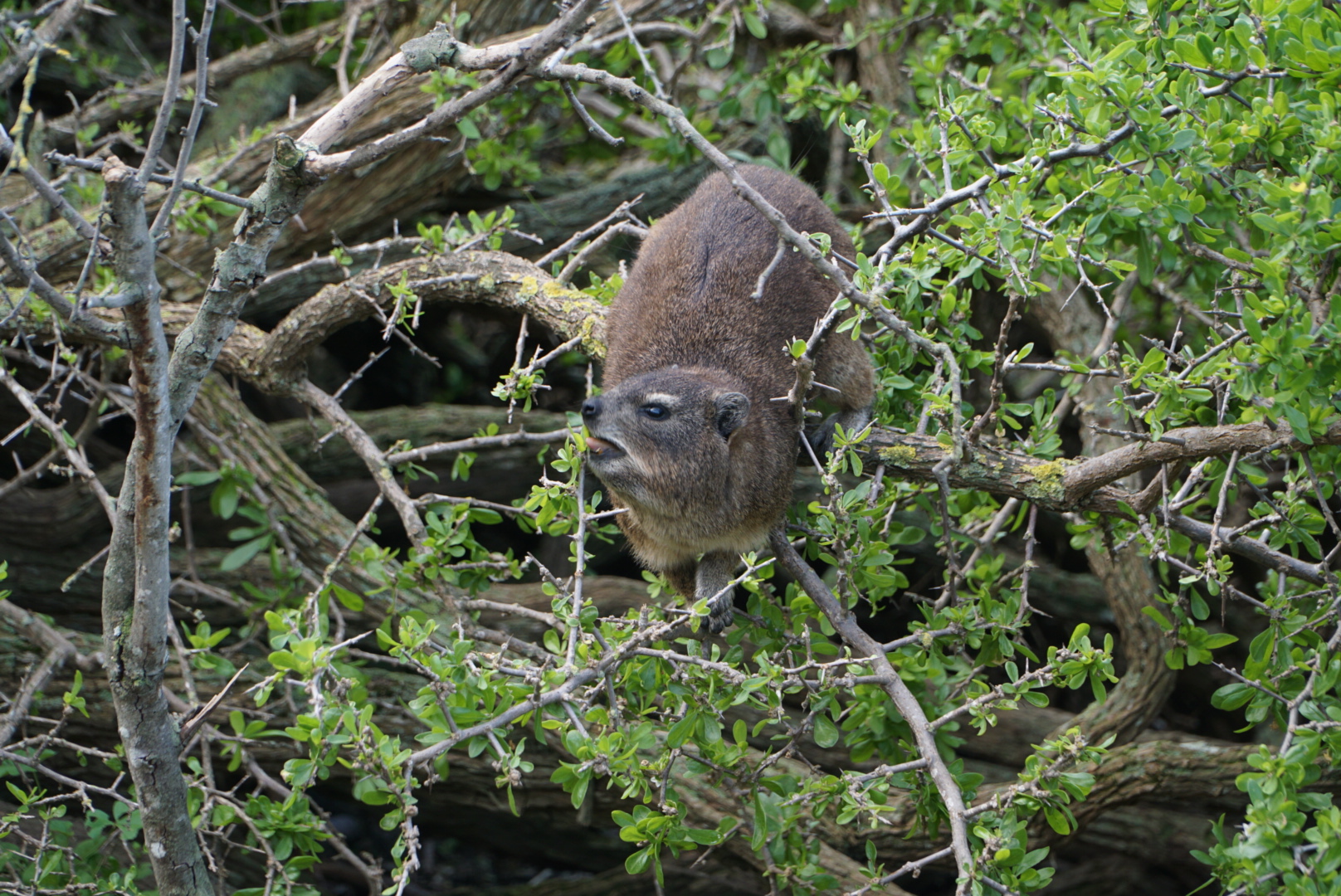
We also saw several Cape Rock Hydrax, locally known as a Dassie
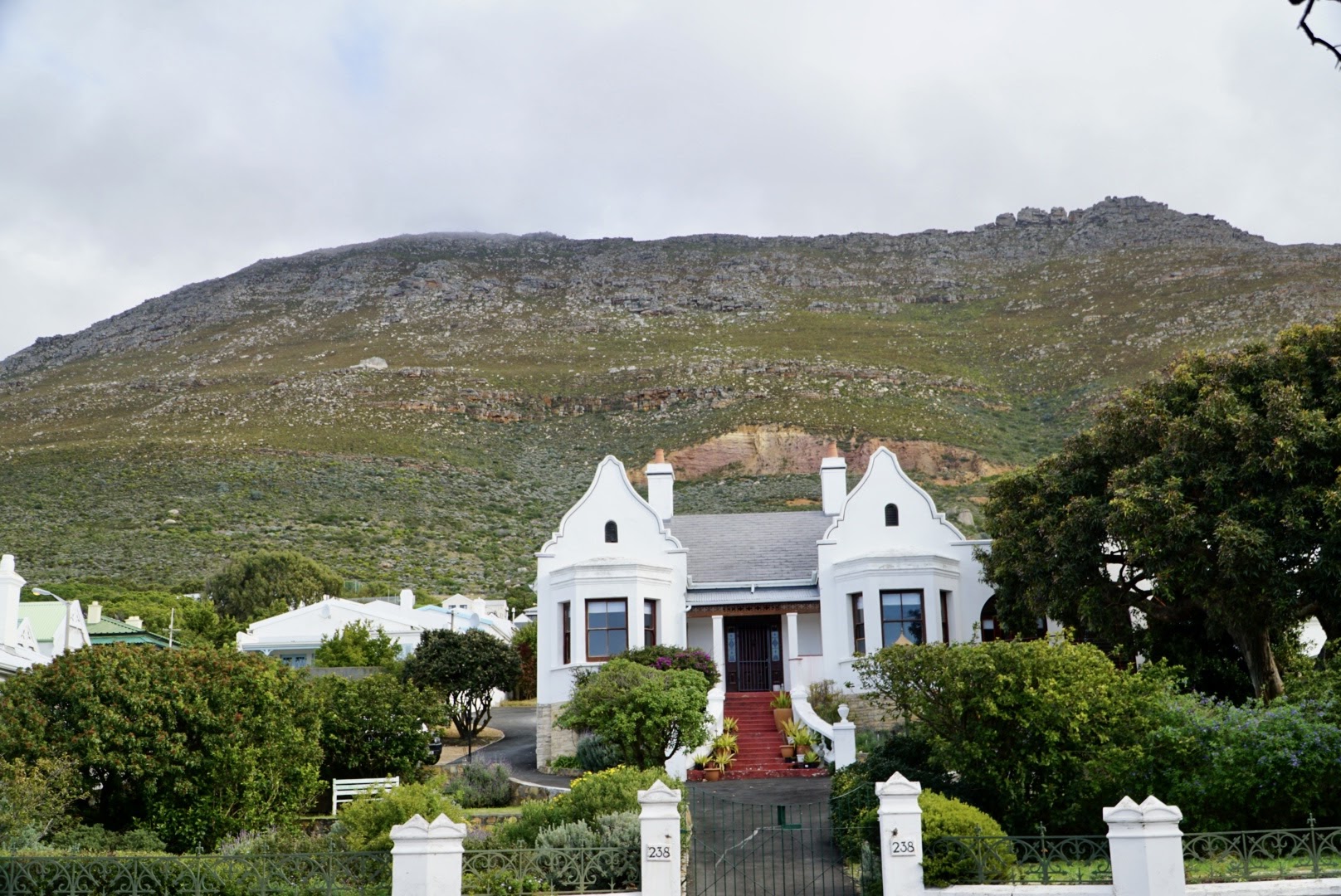
Some pics of the town
 South Africa Travel Grant
Leave a comment