We arrived in Cape Town and got settled at 5 Camp Street Guesthouse. I chose this accommodation due to its sustainable features as outlined below.

Due to government mismanagement, there are extensive power outages in South Africa up to 11 hours a day. Luckily, our accommodation has solar panels, so we can still have lights and charge our devices during “load shedding” hours.
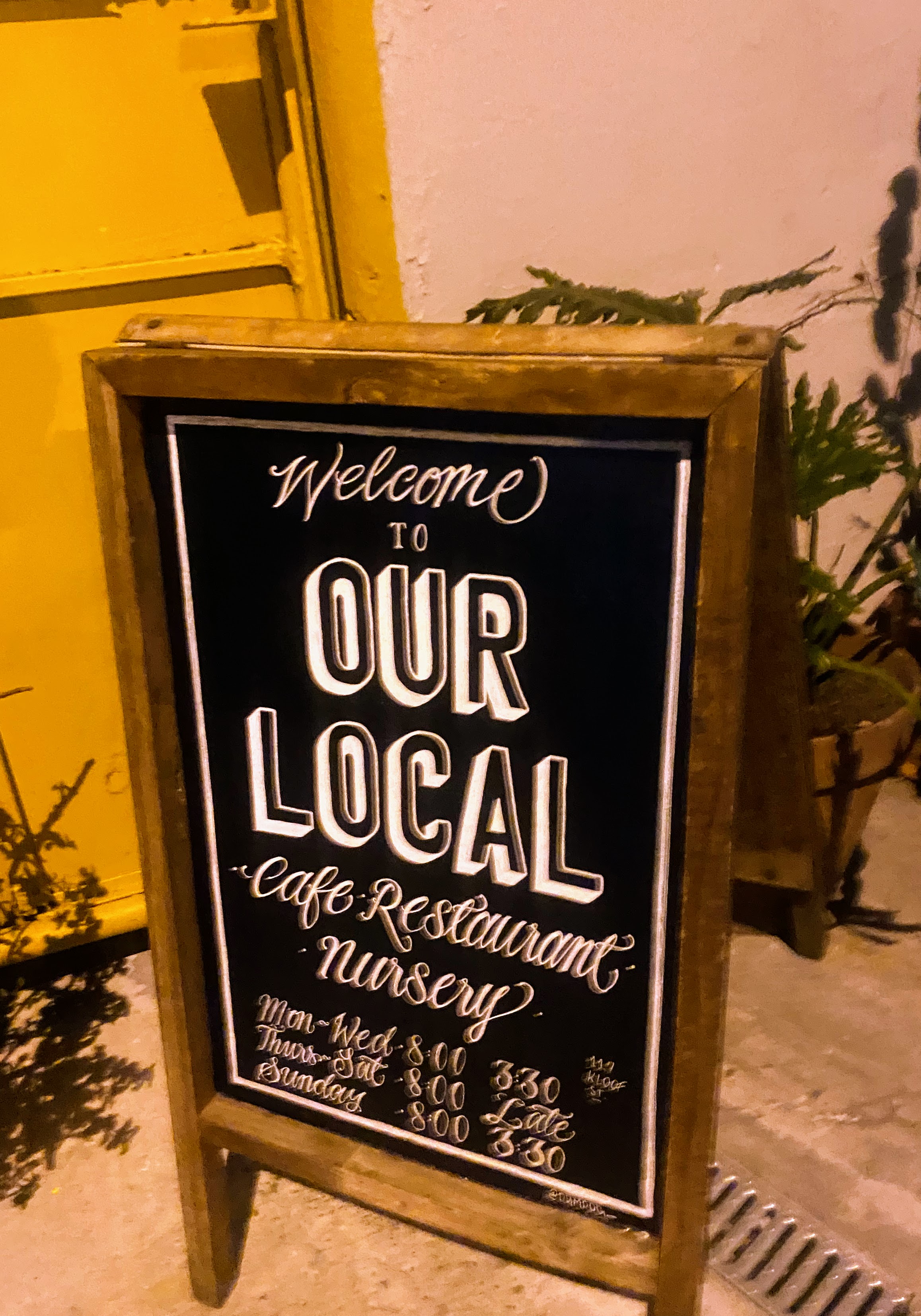
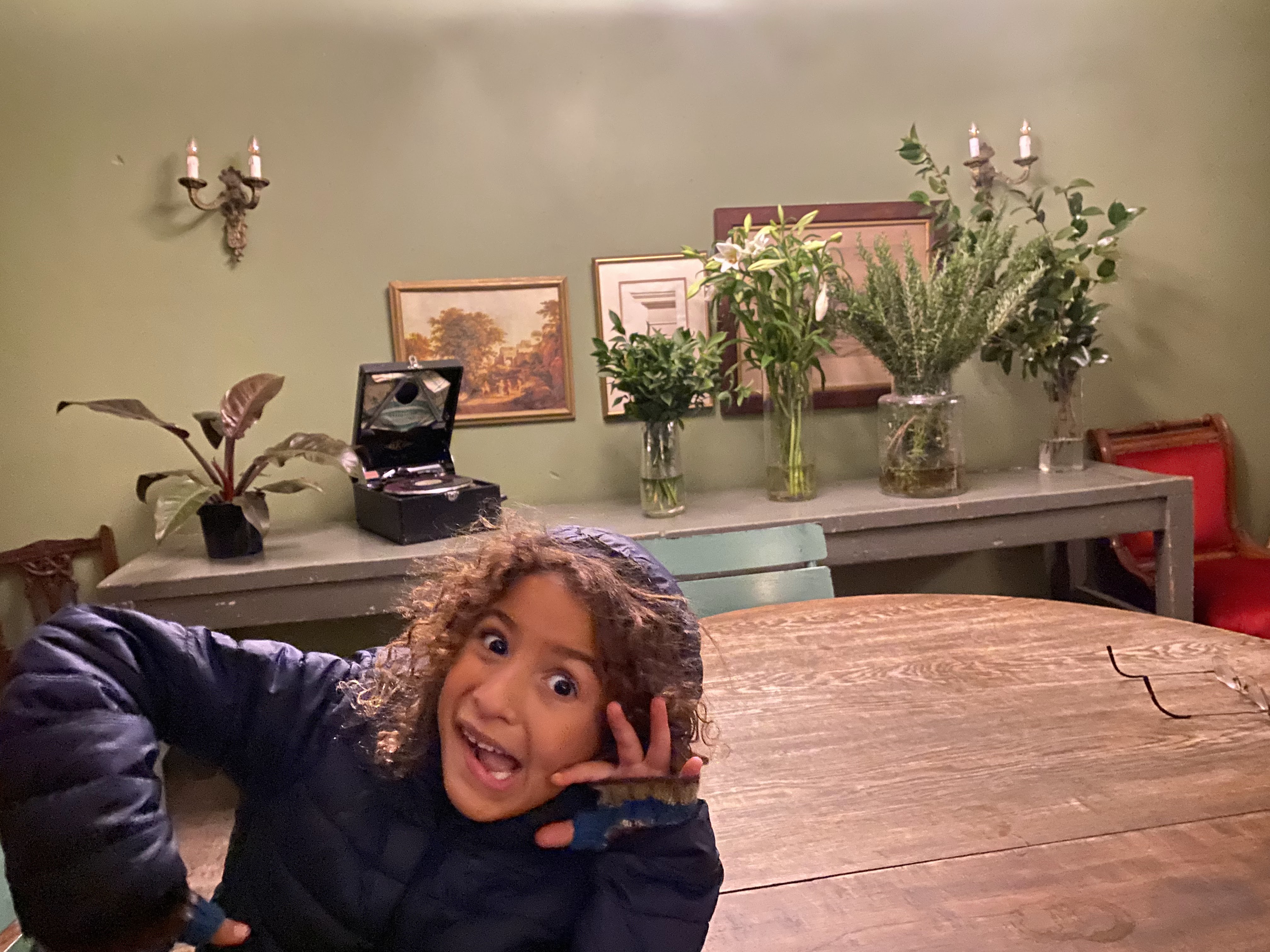
We had our first meal at Our Local, which is a restaurant that doubles as a nursery!
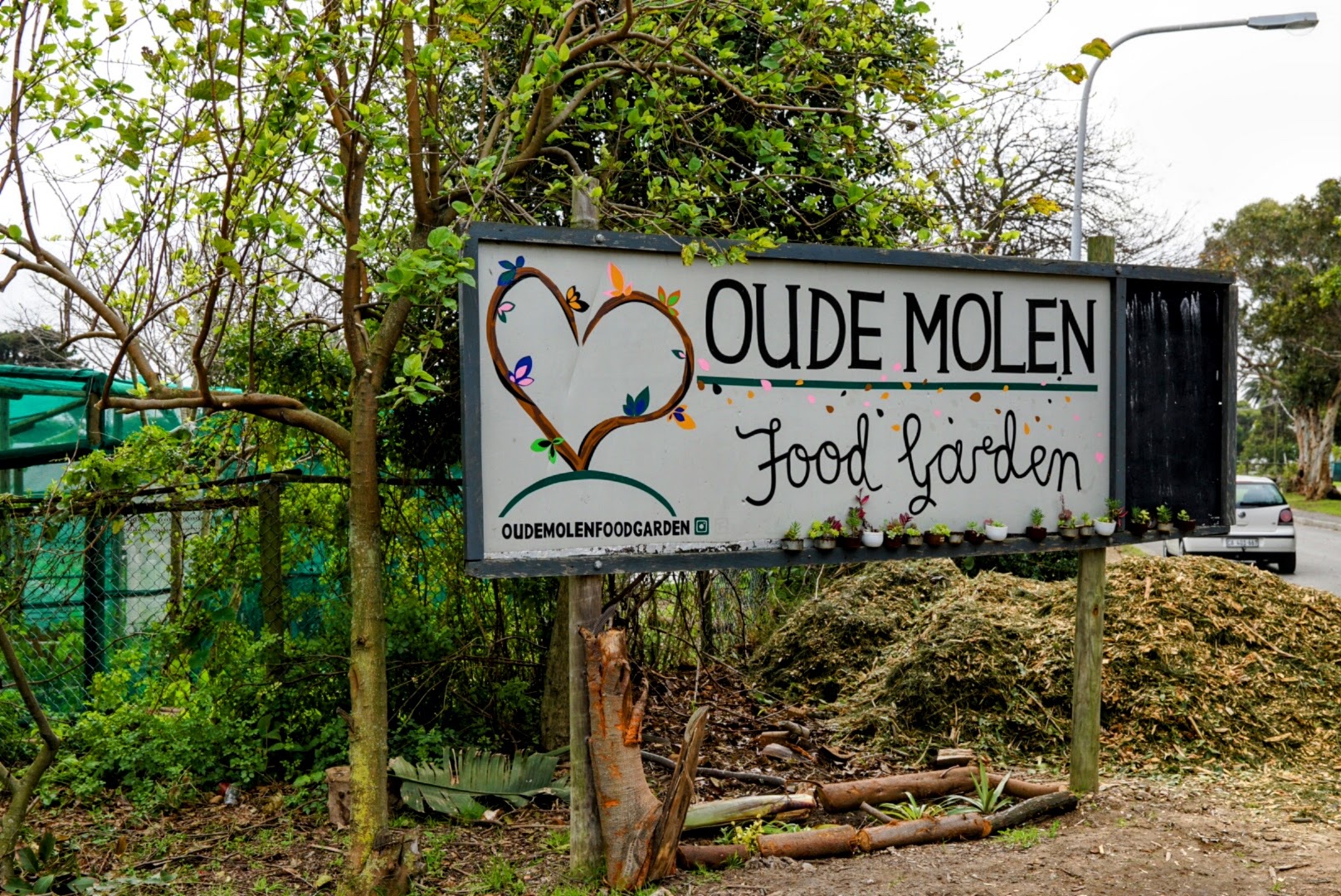
The day after arriving, we visited Oude Molen Eco Village, “which has evolved from an abandoned and vandalised hospital complex into a holistic, environmentally-friendly village of micro-businesses, non-profit organisations and social enterprise services. It is a vibrant and diverse village community that provides jobs, food security and youth development to the local, neighbouring and outlying communities in the region.”
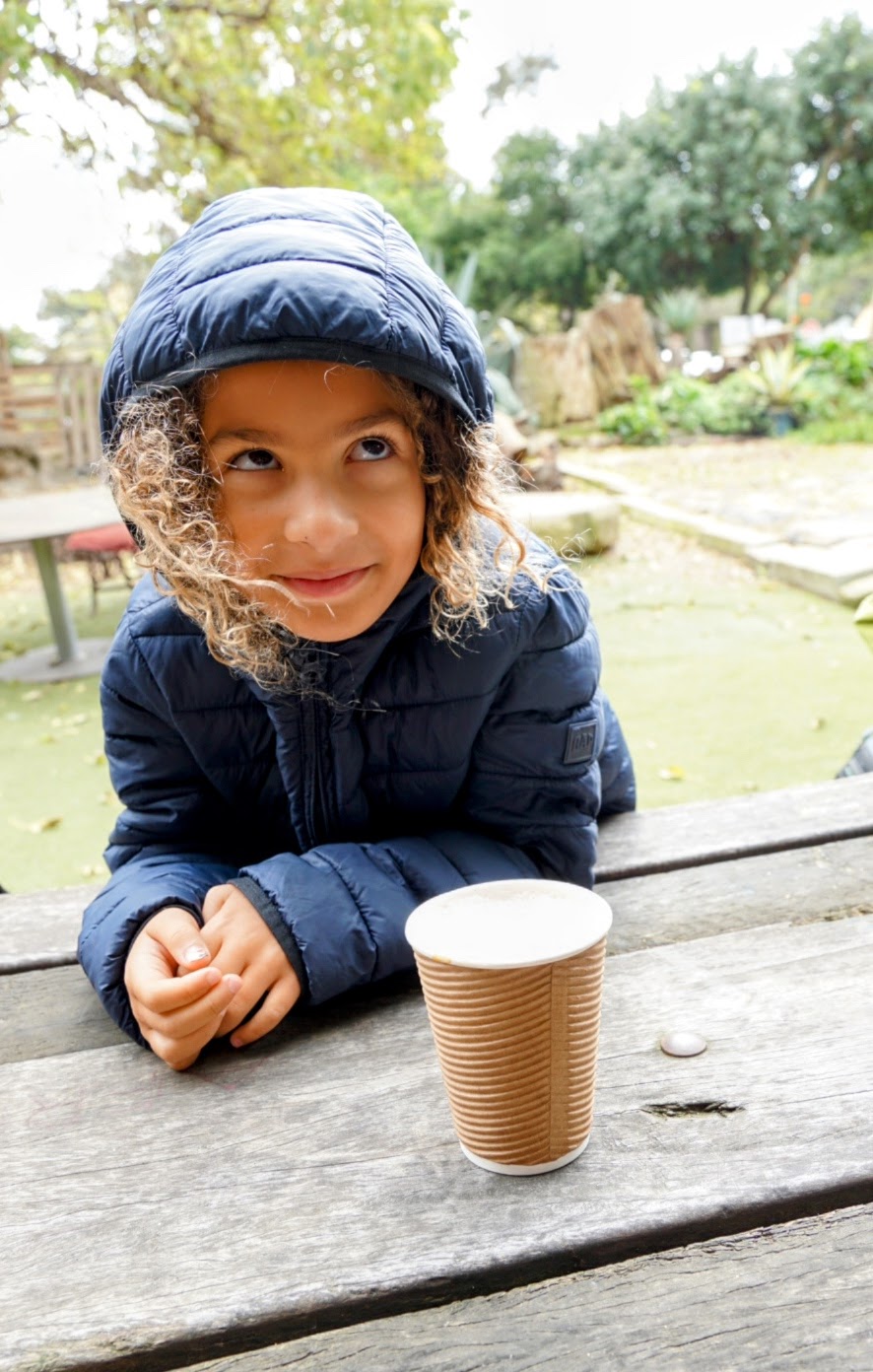
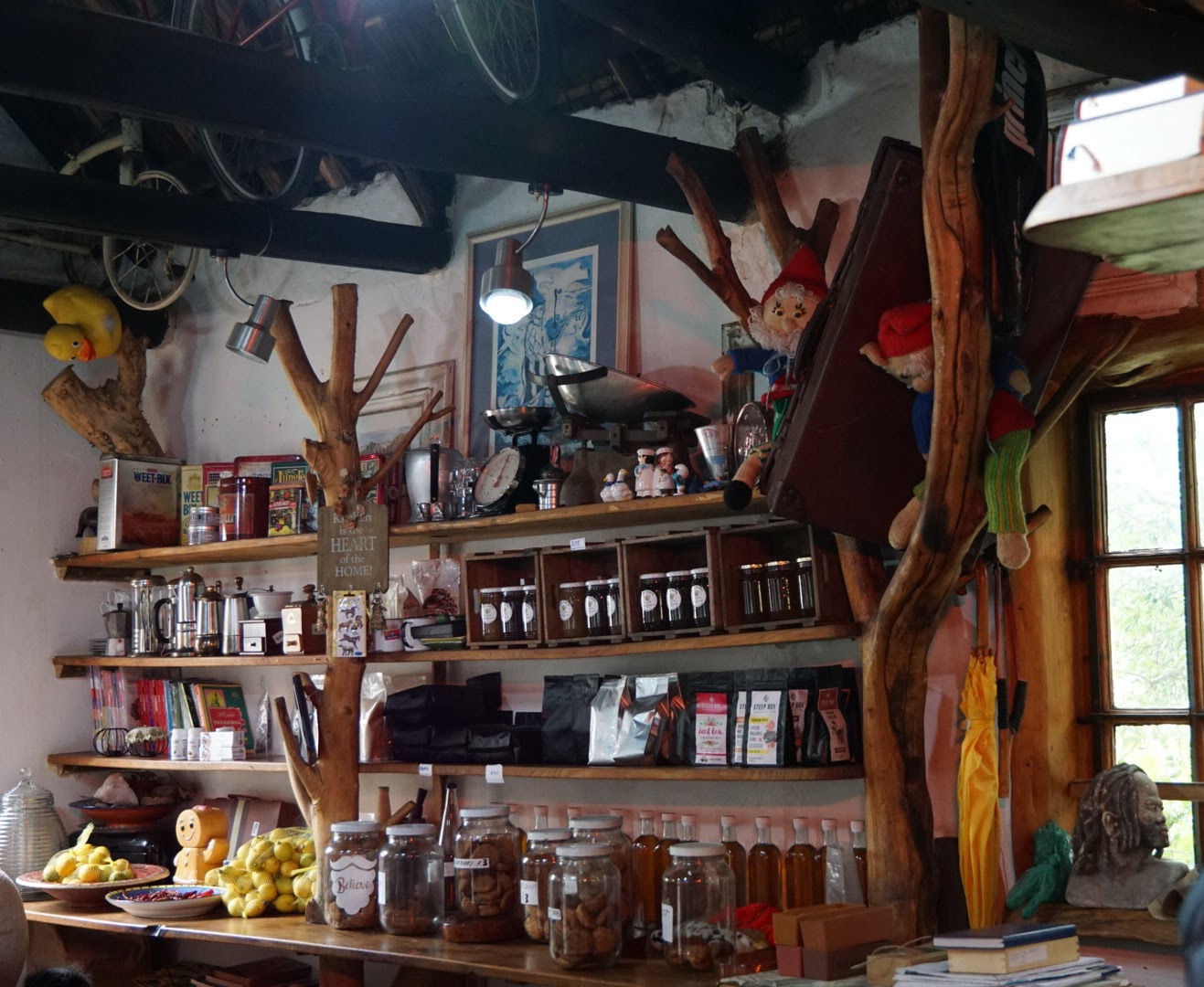
While there, we enjoyed some coffee and hot chocolate from the local cafe and my daughter explored the playground. The village also has a preschool, Waldorf School, and pony rides.
My daughter with hot chocolate
The Cafe
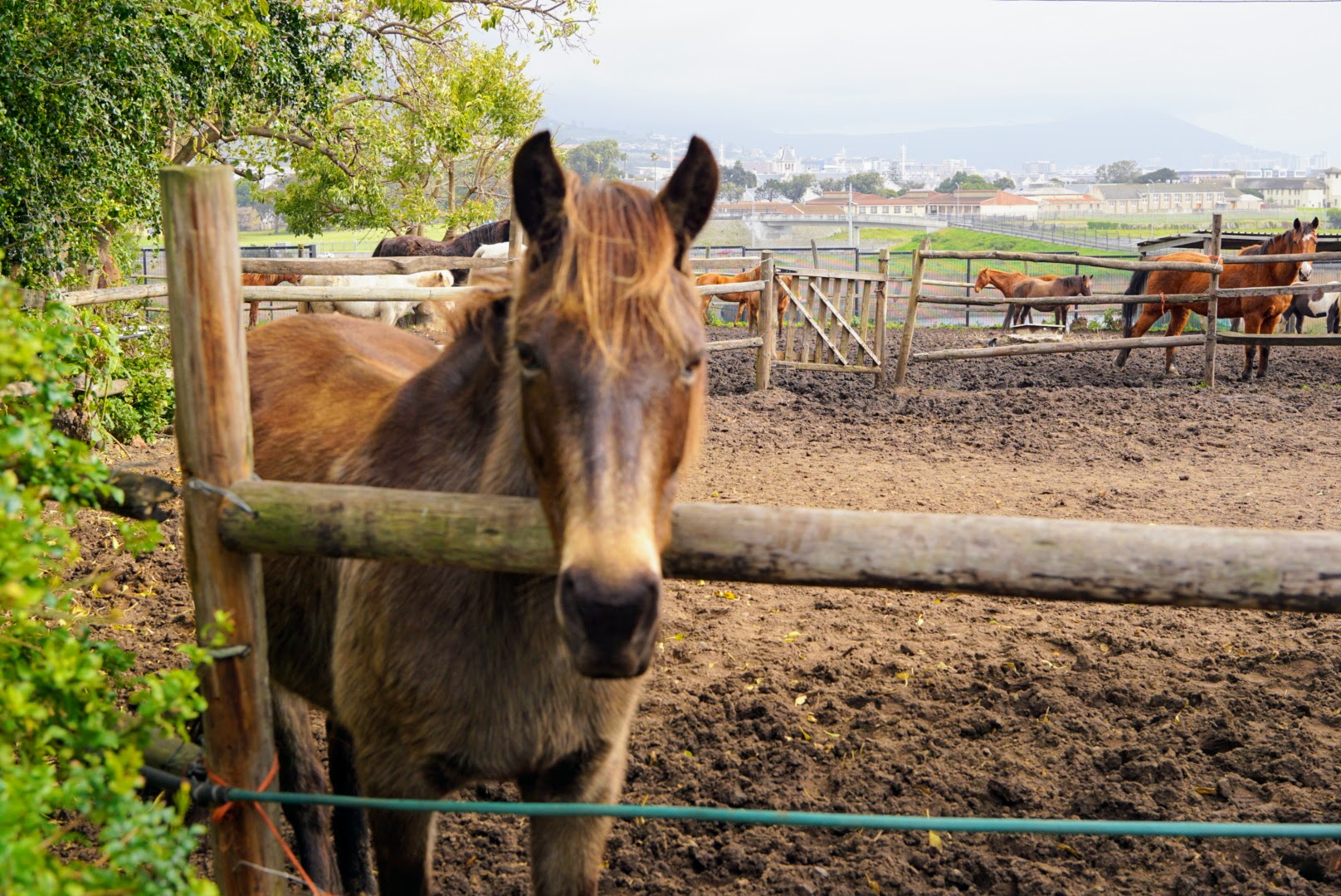
Ponies!
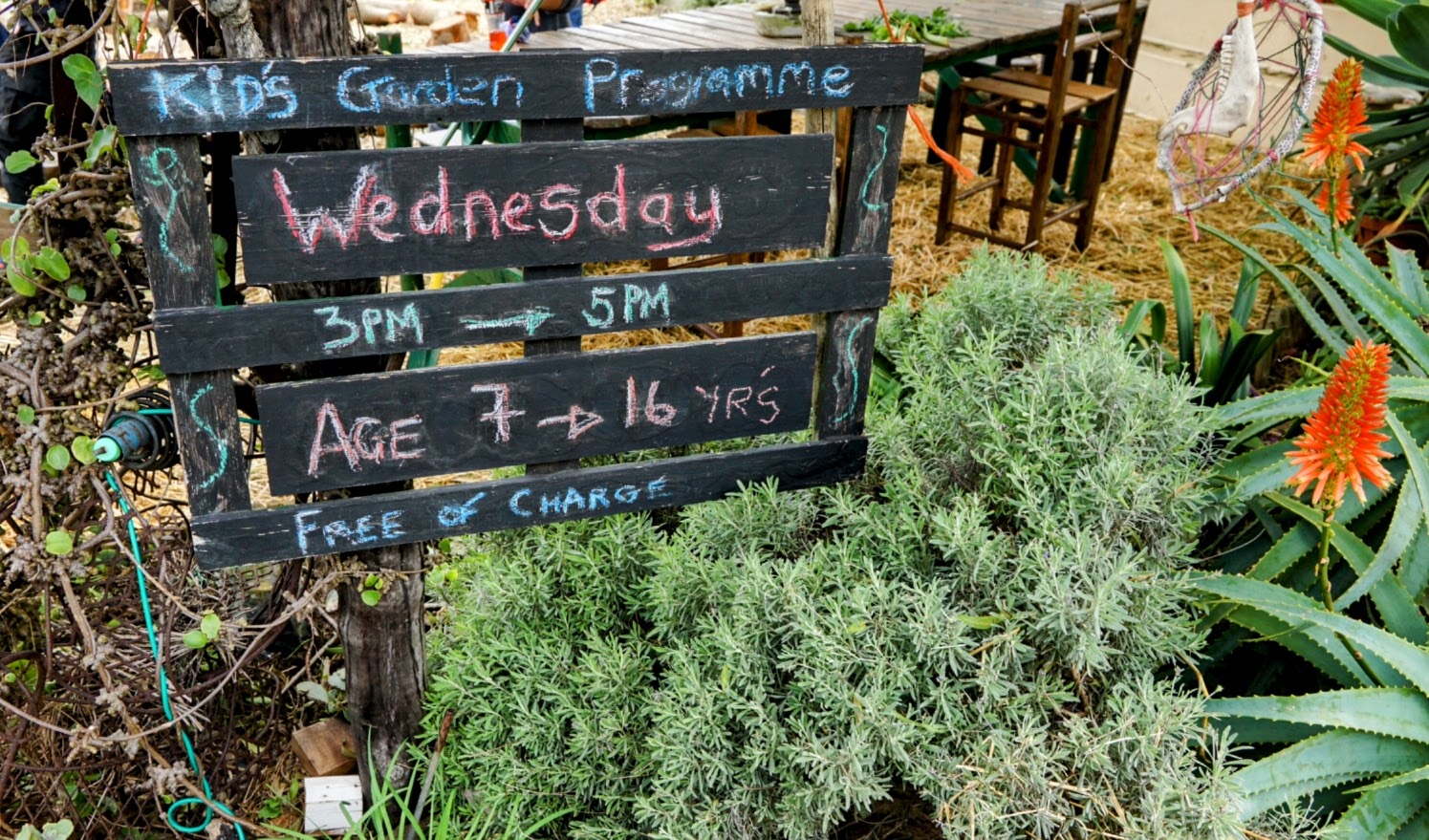
While exploring, we found the garden and I was able to speak to the owner. She was just finishes up a community service project for youth. Some of the crops grown in the garden are used by the cafe in the village. She also explained that people can pay a small monthly fee to have a plot of land in the garden and she uses the profits from that to run programs to employ local people with mental health challenges. She also runs a program where youth do community service in the garden rather than being in detention.
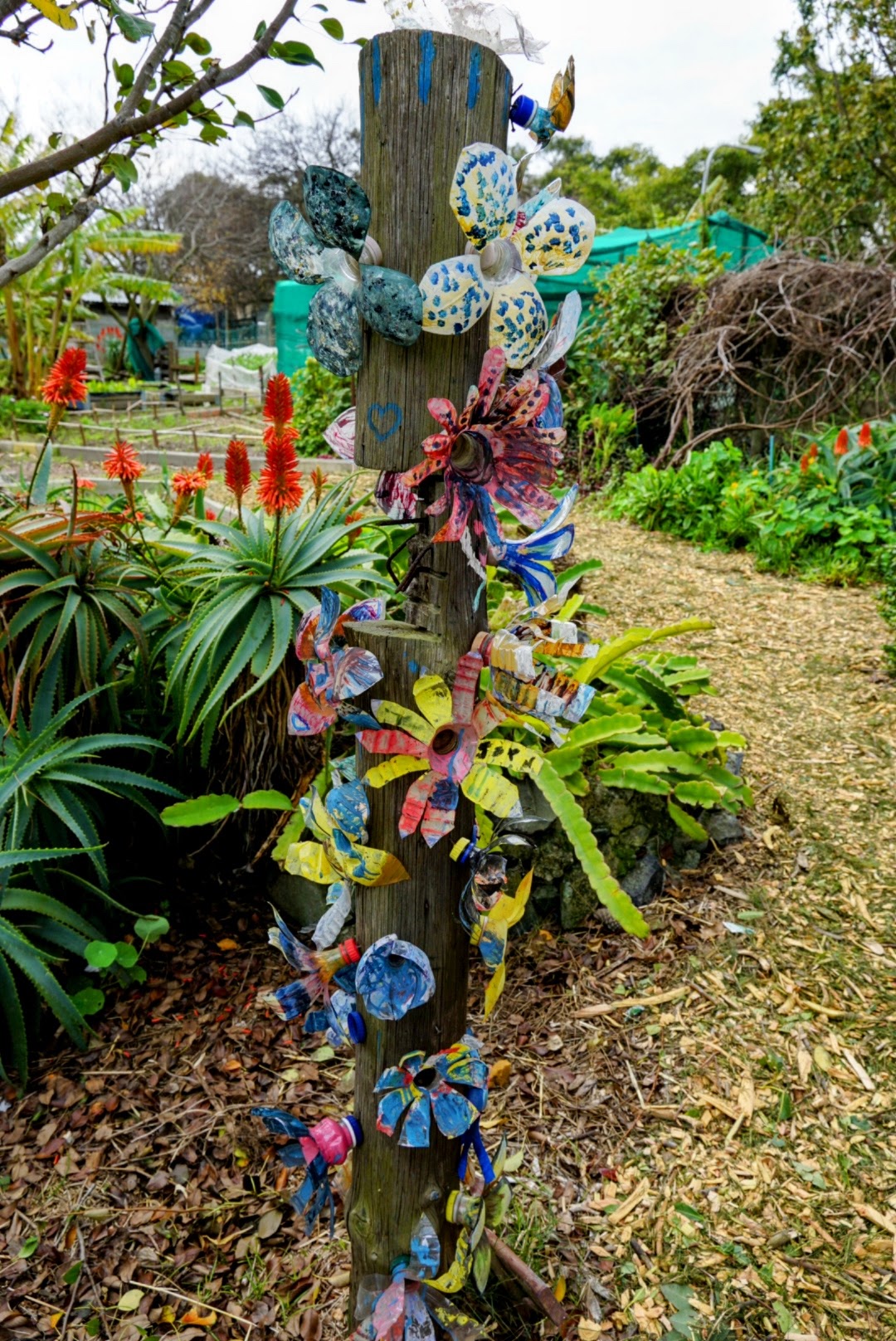
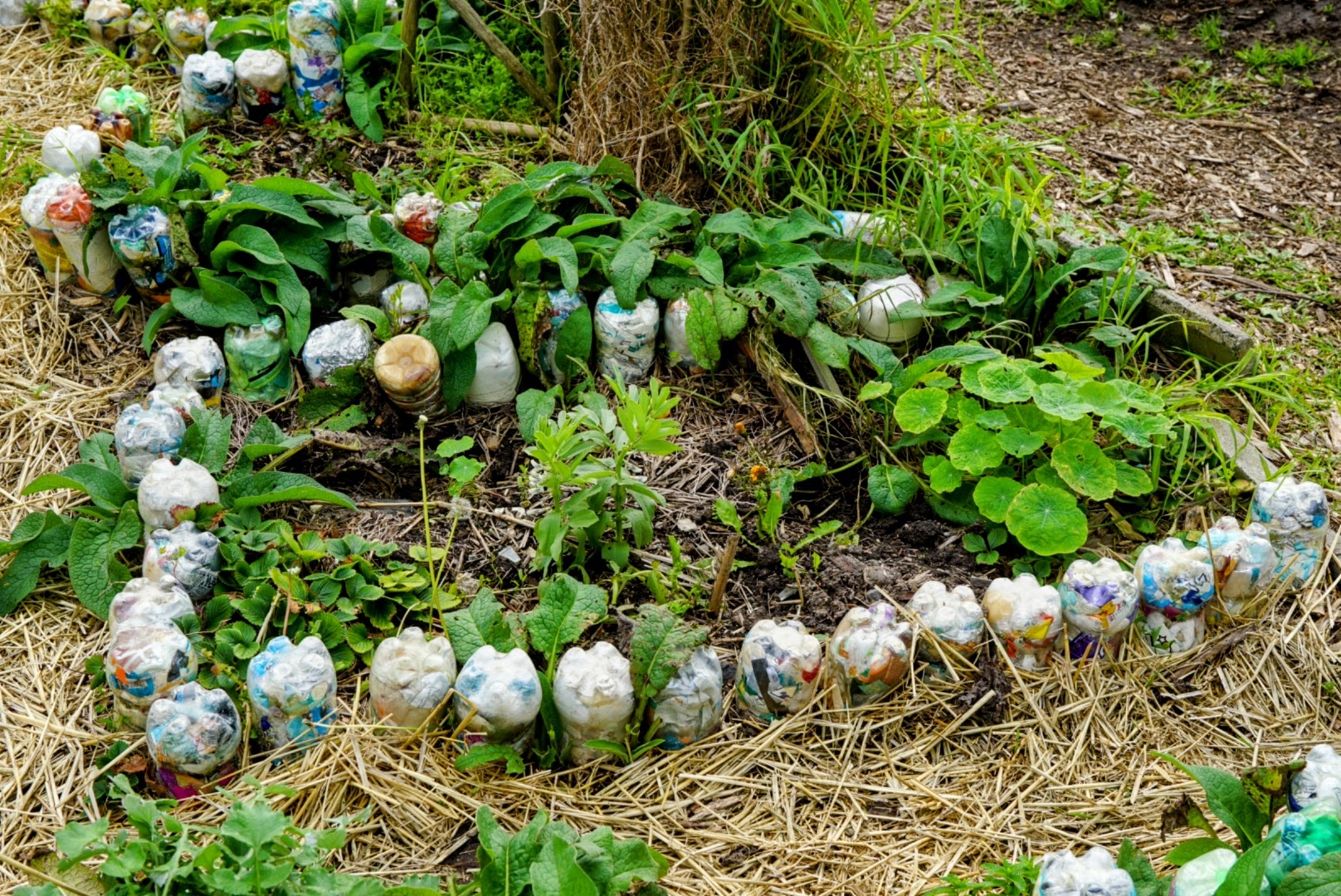
Below you’ll see that they have repurposed plastic bottles in various ways.
After the village, we went on a walking tour with Cape Town Free Walking Tours, where we saw some sites related to apartheid and the movement to ending apartheid. Our tour guide was born in 1980, and shared some of his personal stories of growing up as a Coloured person during apartheid. He is now married to a a Xhosa woman, which is shared as an example of the progress the country has made in his lifetime.
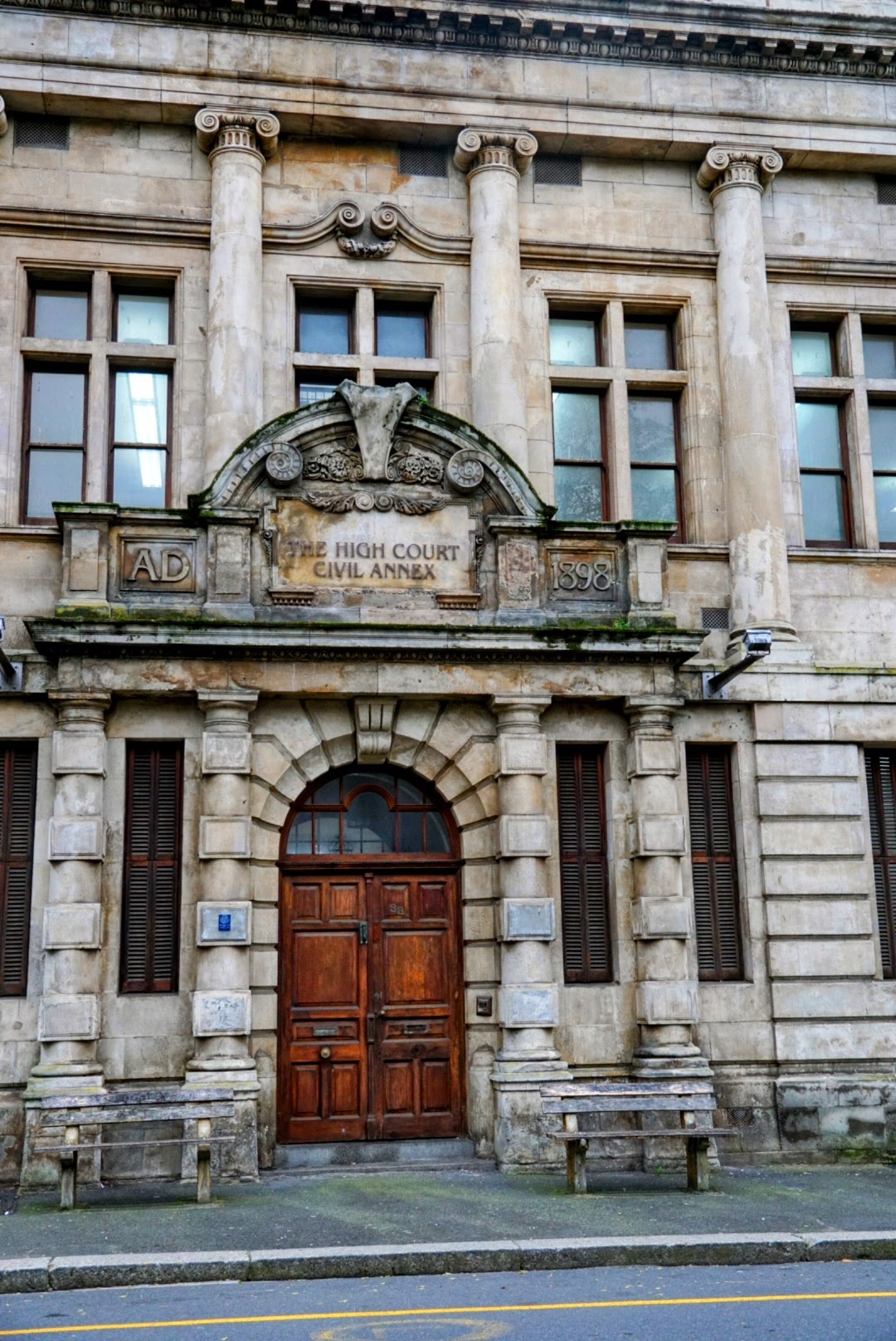
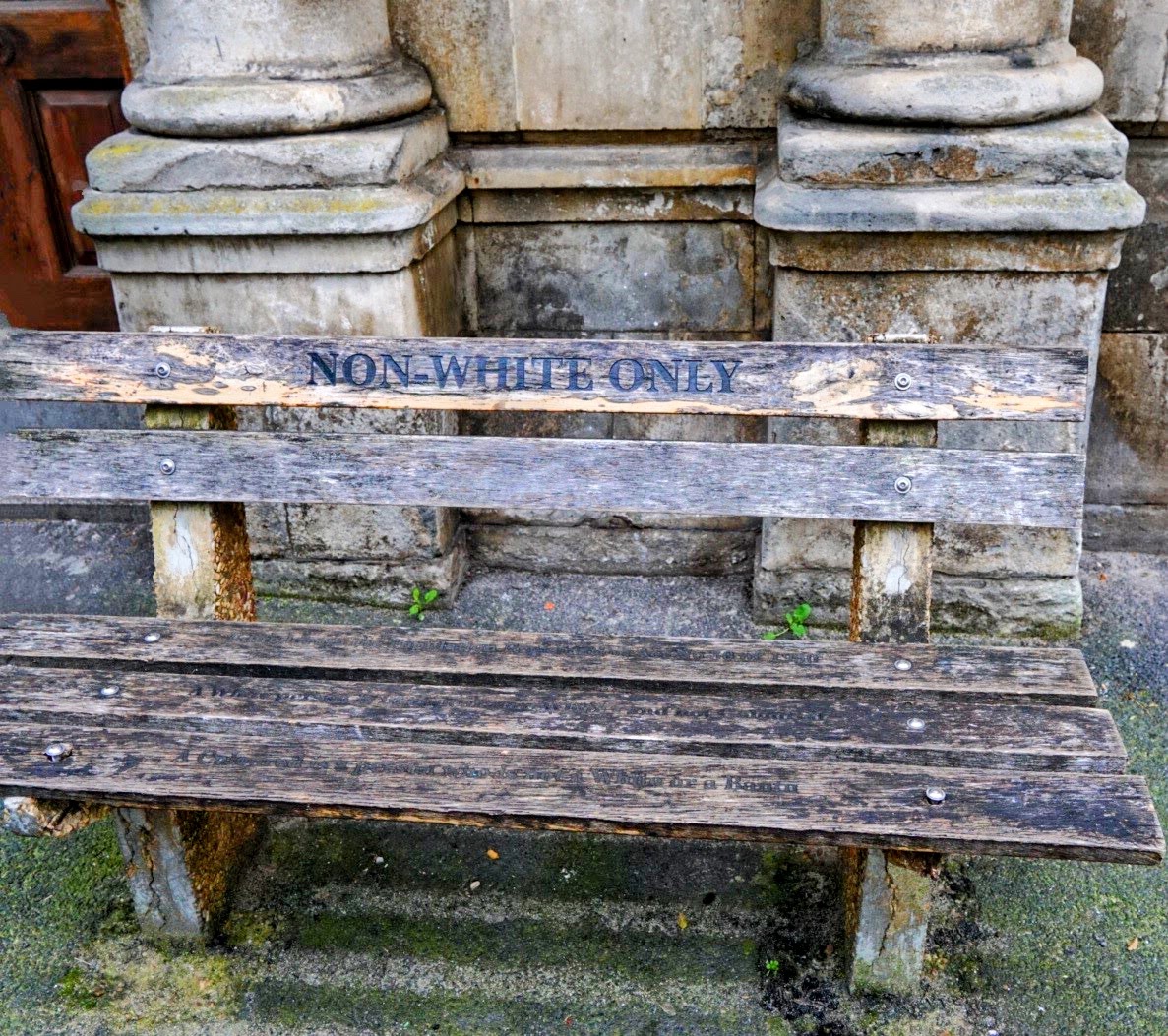
Below is the court that would decide “racial cases” and determine a person’s official race using “scientific” tests. On either side of the door are benches labeled “non-white only” and “white only.”
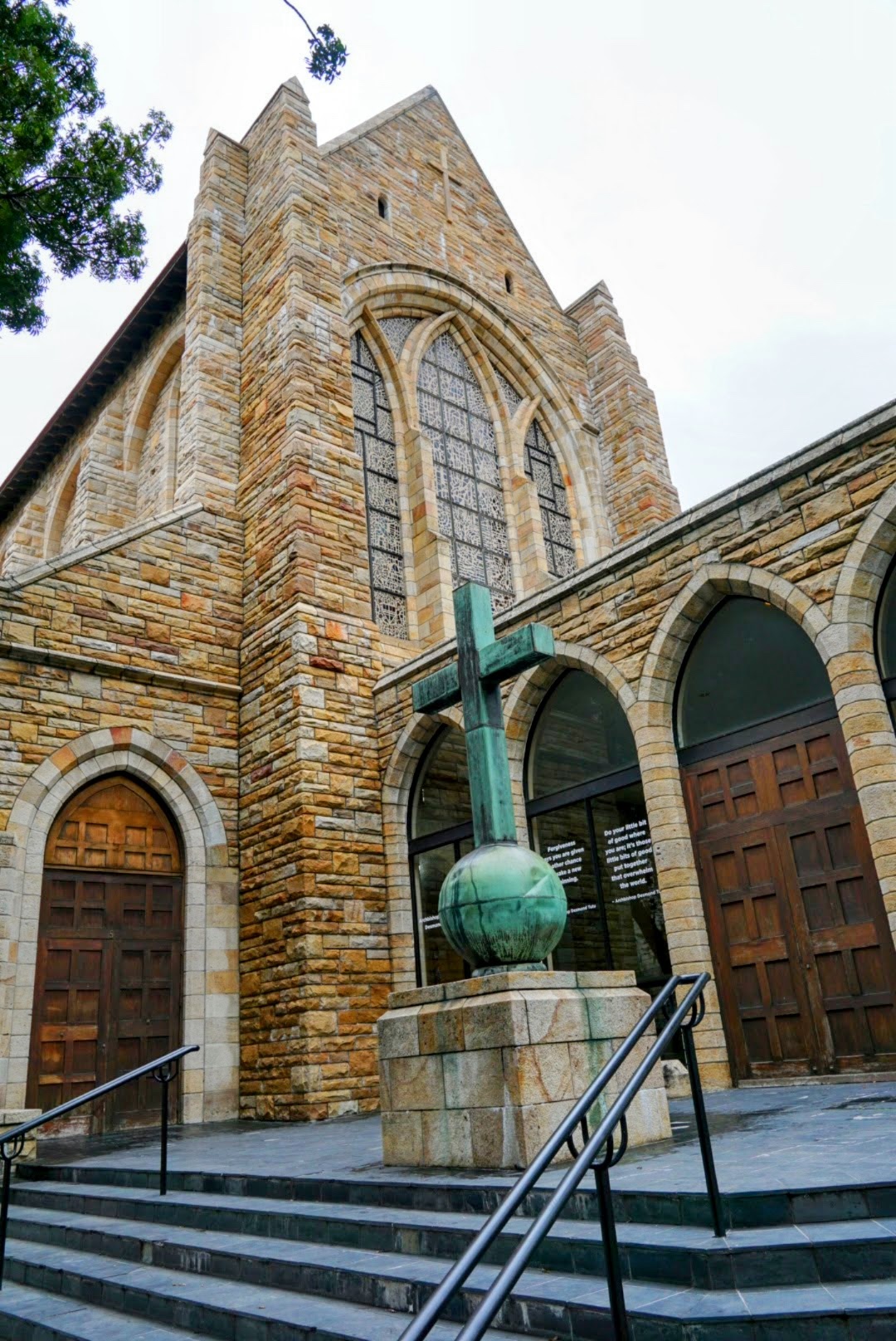
Below is the church were Desmond Tutu was arch-bishop, which was significant at the time because he was African, and appointing him was a form of protest against apartheid on the part of the church.
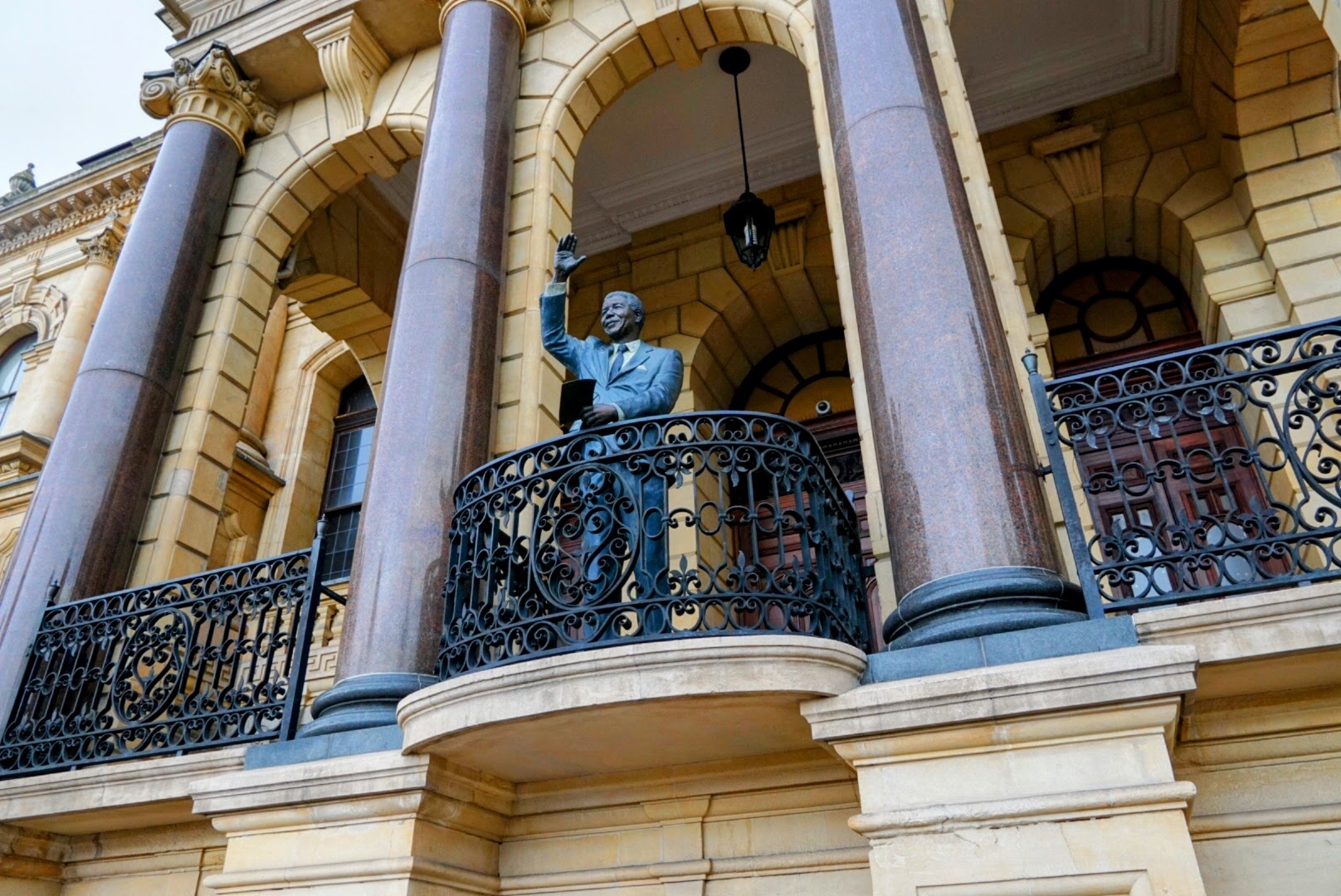
Below is a statue of Nelson Mandela standing where he gave his first speech after being released from prison.
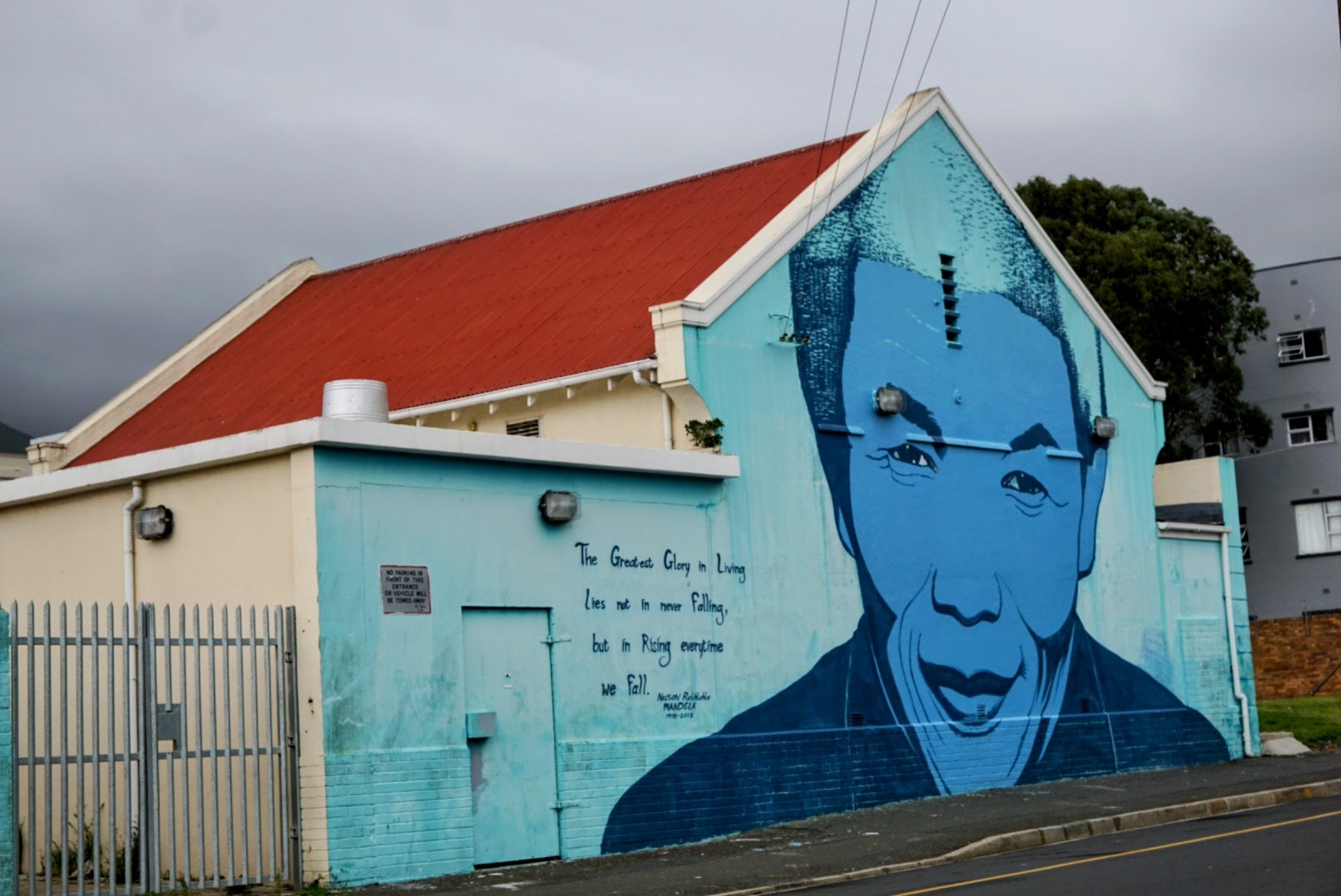
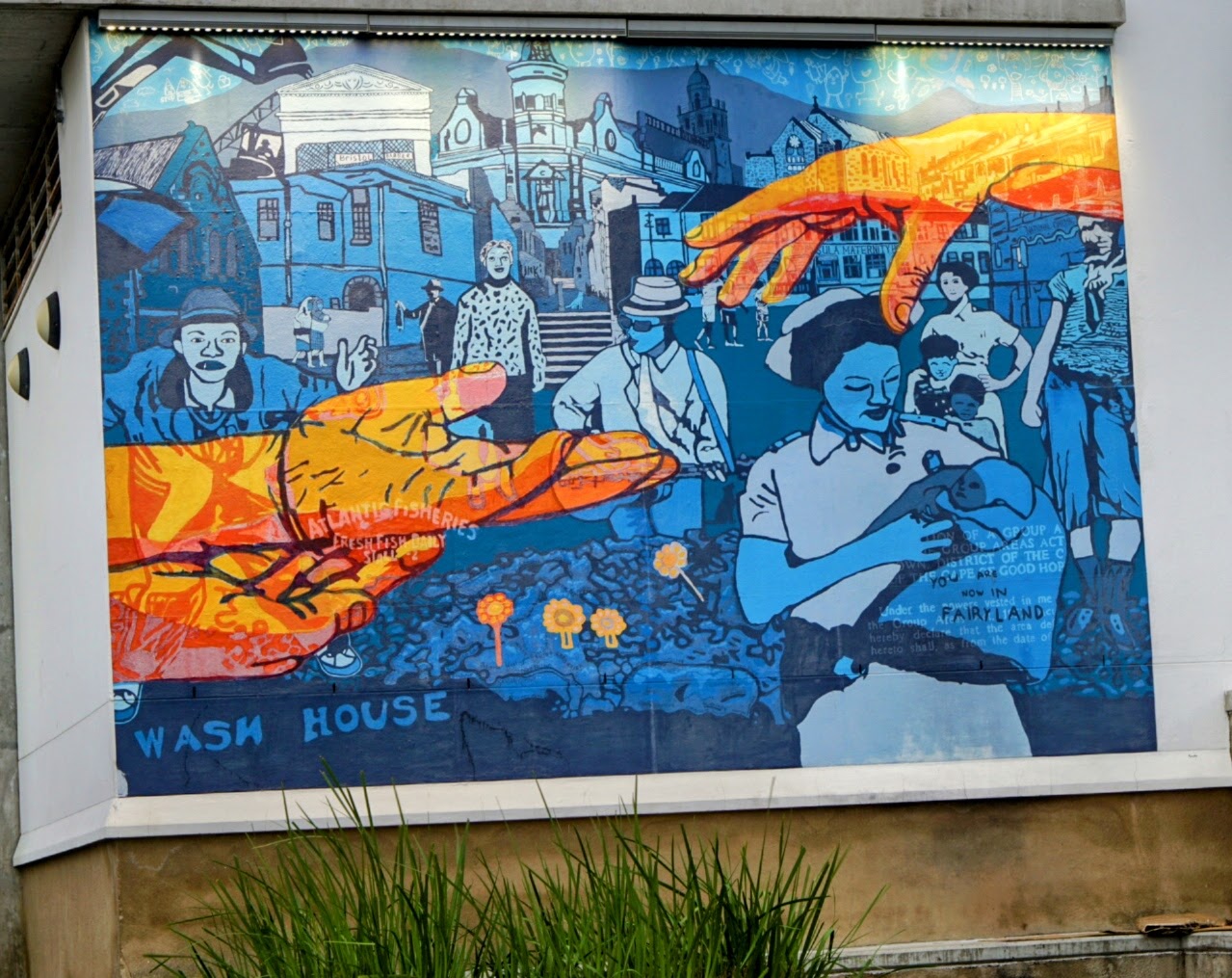
And finally, some murals around Cape Town, including one in the District Six neighborhood, which was a diverse neighborhood that was broken up during apartheid. The government has since compensated the victims and is in the process of giving others new apartments on their confiscated land.
 South Africa Travel Grant
Leave a comment